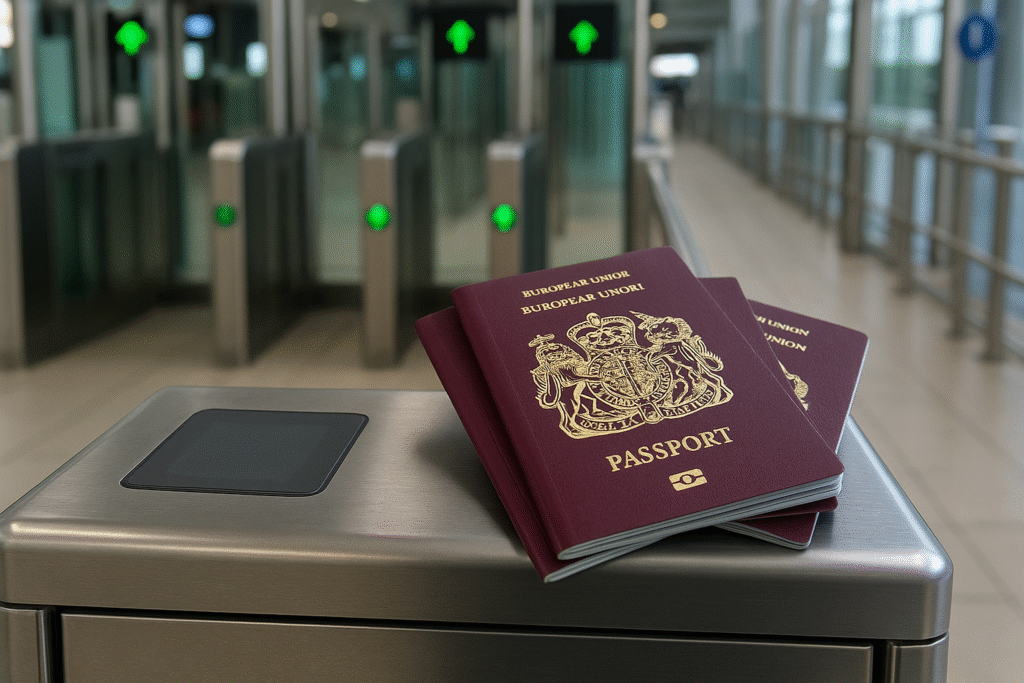
Canadian travelers will soon enter a new era of European travel. Switzerland now joins Italy, France, Austria, Germany, the Netherlands, Hungary, and several other nations in enforcing new entry rules that begin in late 2026. These changes will reshape the way Canadians travel across Europe, and authorities urge travelers to prepare early. The new steps include ETIAS registration and biometric border checks, which increase processing times and create new planning challenges.
Canada’s Long Visa-Free Access Nears an End
For decades, Canadians enjoyed easy access to the Schengen Area. They entered Europe without a visa and traveled freely for up to 90 days. This system offered simple trips, quick airport processing, and minimal planning before departure. However, Europe now introduces new digital tools to strengthen border security. This shift ends the effortless travel Canadians once knew.
The new ETIAS requirement stands at the center of this transformation. The system resembles the American ESTA model and offers pre-screening for travelers from visa-exempt countries. Canadians must now complete this authorization before boarding flights to most European destinations. The process requires passport details, travel history, and health and security information.
What ETIAS Means for Canadian Travelers
ETIAS does not function as a visa, but travelers must secure approval before entering Europe. Approval lasts for three years or until passport expiry. The new €20 fee applies to most adults. Children and seniors may receive exemptions, but Europe continues to refine policy details.
Travelers must answer security questions and provide accurate personal information. European authorities use this data to identify possible risks before travelers reach border checkpoints. The system aims to strengthen safety across the Schengen Zone and help manage rising travel volumes.
Biometric Border Checks Create Longer Wait Times
Europe also introduces the Entry/Exit System, which adds biometric tracking at land, sea, and air borders. Officers will now collect facial images and fingerprints from Canadian visitors. This process replaces passport stamps and creates a digital record of each traveler’s entry and exit.
This change will increase border wait times, especially during peak travel seasons. Travelers should expect slower processing at airports in France, Italy, Germany, Spain, and other busy destinations. Although Europe plans to streamline these checks, early stages may feel slow and confusing.
Nations Affected by ETIAS in 2026
These countries will require ETIAS and biometric checks for Canadian travelers:
- Switzerland
- Italy
- France
- Germany
- Austria
- Netherlands
- Hungary
- Spain
- Greece
- Portugal
- Belgium
- Sweden
- Norway
- Finland
- Poland
- Luxembourg
- Czech Republic
- Slovakia
- Slovenia
- Estonia
- Latvia
- Lithuania
- Denmark
Other European nations outside the Schengen Zone, including the United Kingdom and Ireland, maintain separate entry rules. Canadians must review each country’s requirements before travel.
How Canadians Can Prepare for the New Rules
Travelers can avoid stress and delays by preparing early. A few simple steps will make the process smoother.
Apply for ETIAS Early
Travelers should apply weeks before departure. The system offers fast approval for most applicants, but delays can happen. Early action protects travel plans and reduces risk.
Check Passport Validity
Europe requires at least three months of passport validity beyond the departure date. Some nations suggest six months. Canadians should renew passports early to avoid last-minute issues.
Expect Longer Airport Processing
Biometric data collection needs extra time. Travelers should arrive early, especially during holiday seasons. Organized documents and clear planning will reduce stress at border points.
Budget for New Travel Costs
The ETIAS fee may seem small, but it adds cost for families and groups. Travelers should factor this into planning.
Impact on Europe’s Tourism Industry
Europe expects millions of global travelers to adjust to the new rules. The ETIAS and biometric systems help authorities monitor entries more efficiently. This also allows Europe to track overstays and manage migration more effectively.
European nations hope these systems will create smoother travel in the long term. Once travelers adapt, the systems may reduce wait times and improve security.
What This Means for Future Travel
These updates highlight a global trend toward increased border control. Nations worldwide now rely on digital systems that collect biometric data. Canada may even adopt similar systems in the future to align with global standards.
The new European travel landscape demands more attention from travelers. Canadians must navigate new forms, new fees, and new border procedures. Yet the reward remains the same. Europe still offers rich culture, historic cities, and incredible landscapes.
A New Era of European Travel Begins for Canadians
Europe welcomes Canadians, but the journey now needs more preparation. With ETIAS and new biometric rules, Canada enters a new chapter in international travel. Travelers who plan early will enjoy smooth adventures across Europe’s most iconic destinations.
For more travel news like this, keep reading Global Travel Wire