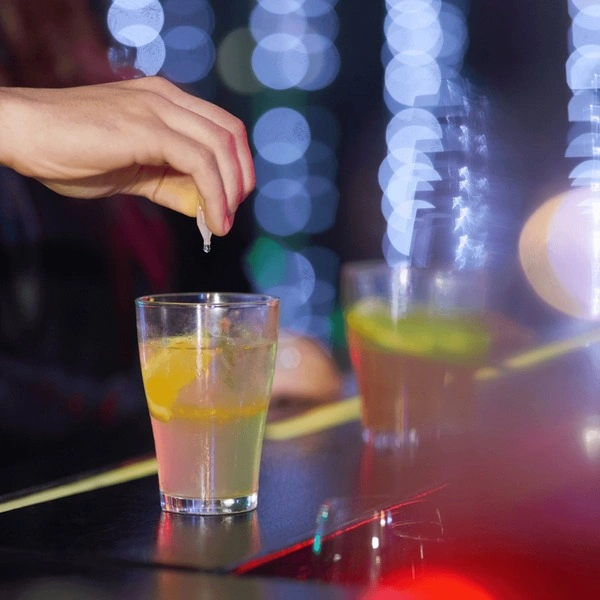
A disturbing alleged drink-spiking and assault incident in Majorca has intensified international discussion surrounding tourist safety in Spain’s nightlife destinations, particularly for solo travelers and young holidaymakers visiting Europe’s most popular resort islands. Authorities confirmed that two suspects have been arrested following an incident in Manacor during early May 2026 involving a female traveler who reportedly escaped after being assaulted and alerted nearby residents for help.
The case has rapidly gained attention across global travel communities, reigniting concerns over drink spiking, nightlife-related crime, and safety vulnerabilities within high-volume tourism destinations that attract millions of international visitors every year.
Incident in Manacor Raises Concerns for Solo Travelers
According to preliminary investigative details, the traveler had reportedly been socializing at a terrace bar when she was approached by two men who offered drinks and conversation. After briefly leaving the table, she later began feeling unexpectedly intoxicated beyond what would normally be associated with casual alcohol consumption.
Authorities allege the men later offered her transportation back to her accommodation but instead drove her to a remote location where the assault reportedly occurred. The woman eventually escaped the vehicle and reached nearby residents, who contacted emergency services.
Local police subsequently launched an investigation that included medical examinations, witness interviews, and the arrest of two suspects who remain in custody while legal proceedings continue.
The case has become one of the most high-profile tourism safety incidents reported in Spain during 2026 and is likely to influence wider discussions surrounding nightlife security and visitor protection measures.
Spain’s Nightlife Destinations Face Renewed Scrutiny
Majorca remains one of Spain’s leading international tourism hotspots, welcoming millions of visitors annually drawn by its beaches, nightlife districts, bars, clubs, and Mediterranean resort atmosphere. Popular destinations across the Balearic Islands continue attracting significant numbers of British, German, Scandinavian, and international travelers seeking summer leisure holidays.
However, tourism experts say the island’s nightlife economy also creates challenges linked to alcohol consumption, overcrowded entertainment districts, and opportunistic crime risks.
Travel advisories issued by several governments, including those from Australia and the United Kingdom, already caution travelers about drink spiking and nightlife-related safety risks in major tourism destinations across Europe.
The latest incident has intensified public focus on whether existing safety measures in resort nightlife areas are sufficient to protect visitors, especially solo female travelers and younger tourists.
Travel Industry Responds to Growing Safety Concerns
The Majorca case is also drawing attention from the wider travel industry, including travel insurers, hospitality operators, crisis response providers, and tourism authorities. Incidents involving suspected drug-facilitated assault often require coordinated responses involving medical care, emergency support services, law enforcement cooperation, and psychological assistance.
Travel risk specialists increasingly view nightlife environments and solo travel as areas requiring enhanced preparation and awareness. Industry professionals note that travelers are placing greater importance on services such as 24-hour emergency assistance, multilingual support, medical coordination, and rapid response capabilities when choosing travel insurance products.
Tour operators and hospitality providers across Mediterranean tourism markets are also facing pressure to strengthen visible safety measures and improve communication surrounding personal security risks.
Solo Travel Boom Brings New Safety Challenges
Global demand for solo travel continues rising as younger travelers and independent tourists seek flexible, experience-driven journeys across Europe and beyond. Spain remains one of the world’s most popular destinations for solo leisure travel due to its climate, culture, nightlife, and extensive tourism infrastructure.
Yet incidents such as the Majorca case highlight the vulnerabilities solo travelers can face when navigating unfamiliar nightlife settings, especially late at night or when relying on informal transportation arrangements.
Travel safety experts consistently recommend:
- Monitoring drinks at all times
- Avoiding leaving beverages unattended
- Using licensed taxis or verified transportation services
- Maintaining regular communication with friends or family
- Staying aware of surroundings in crowded nightlife districts
Many governments now include these recommendations within official travel guidance for visitors heading to major tourism hotspots.
Spain’s Tourism Reputation Faces Sensitive Moment
Although Spain remains widely regarded as one of Europe’s safest tourism destinations, highly publicized incidents can influence traveler perceptions and destination reputations, particularly within competitive Mediterranean tourism markets.
Tourism stakeholders across Spain are increasingly aware that visitor confidence plays a crucial role in sustaining strong international arrivals, especially among younger travelers and independent tourists who prioritize personal safety alongside nightlife and entertainment experiences.
Hospitality businesses, hotels, bars, and local authorities may now face renewed pressure to demonstrate stronger preventative strategies and visible safety protocols in tourism-heavy resort areas.
Calls Grow for Stronger Preventative Measures
The Majorca incident is expected to intensify debate around nightlife regulation and tourist safety initiatives within Spain’s tourism industry. Safety advocates and tourism professionals are already discussing several possible measures aimed at improving protection for international visitors.
Potential initiatives being discussed include:
- Staff training to identify drink-spiking warning signs
- Expanded surveillance and lighting in nightlife zones
- Improved transportation access near entertainment districts
- Multilingual tourist safety campaigns
- Enhanced emergency assistance coordination
Authorities across the Balearic Islands have previously introduced measures designed to curb excessive alcohol tourism and improve the overall quality and safety of resort environments.
Travelers Urged to Remain Vigilant During European Holidays
Travel advisors stress that while incidents of violent crime involving tourists remain relatively rare in Spain, visitors should continue exercising caution, especially in nightlife environments and unfamiliar social settings.
Tourists planning trips to Spain and other Mediterranean holiday destinations are being encouraged to familiarize themselves with local emergency numbers, medical facilities, and transportation options before traveling.
Industry experts also emphasize that awareness, preparation, and situational caution remain among the most effective tools travelers can use to reduce risks while continuing to enjoy international travel experiences safely.
Tourism Industry Faces Growing Responsibility
The Majorca case serves as another reminder of the evolving responsibilities facing tourism destinations as global travel volumes continue increasing. Governments, airlines, hotels, bars, tourism boards, and local authorities are under growing pressure to balance vibrant visitor economies with stronger personal safety standards.
As Spain approaches another busy summer tourism season, the handling of traveler safety concerns may play an increasingly important role in shaping visitor confidence, destination reputation, and long-term tourism sustainability across the Mediterranean region.
For more travel news like this, keep reading Global Travel Wire