Delhi is set to redefine its tourism image with the introduction of the Yamuna Boat Tourism and Ferry Infrastructure Development Project—an ambitious and environmentally conscious initiative that introduces modern eco-friendly cruises along the Yamuna River. This transformative development positions the capital as a rising leader in India’s river tourism sector, merging sustainability with an enhanced visitor experience.
The project, located upstream of the Wazirabad Barrage between Sonia Vihar and Jagatpur, aims to rejuvenate the Yamuna waterfront by converting it into a vibrant attraction for domestic and international travelers. Designed to support Delhi’s long-term urban and tourism development goals, the initiative reflects the growing demand for experiential, sustainable, and nature-focused travel options.
Eco-Friendly Electric-Solar Cruises: A New Chapter in Green Tourism
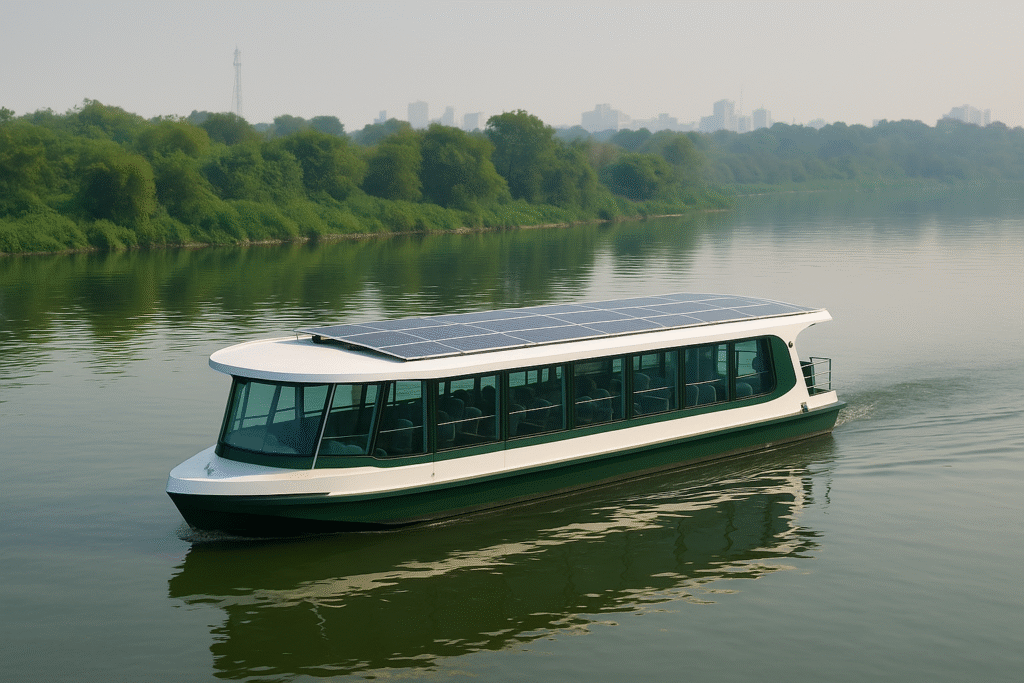
One of the standout features of this project is the introduction of electric-solar hybrid boats capable of carrying 30 to 40 passengers. These boats operate with zero emissions, representing a major step toward green mobility in the tourism sector. As environmental sustainability becomes a priority in global travel trends, Delhi’s decision to adopt clean-energy vessels places the city at the forefront of modern, eco-conscious tourism practices.
These pollution-free cruises will offer passengers a serene journey through the Yamuna corridor, allowing them to appreciate Delhi’s cultural heritage, natural landscapes, and historic riverfronts without contributing to air or water pollution. By prioritizing sustainability, the project aligns with India’s broader environmental goals and supports nationwide efforts to promote clean transportation.
Economic Benefits: Strengthening Tourism and Local Livelihoods
Beyond its environmental advantages, the Yamuna Boat Tourism project is expected to significantly boost Delhi’s economy. The cruise tourism industry is known for generating strong multiplier effects, impacting hospitality, retail, transport, and recreational services. As tourist footfall increases, local businesses—such as restaurants, homestays, tour operators, and cultural vendors—are expected to experience higher demand.
The creation of floating jetties, promenades, and visitor-friendly amenities along the riverbank will also lead to job opportunities for local communities. From boat operators and maintenance teams to hospitality workers and cultural performers, a wide range of employment avenues will be generated. This project enables greater community involvement, ensuring that the economic benefits are distributed across various levels of society.
Elevating Delhi’s Tourism Identity Through River Cruises
Historically, the Yamuna River has remained an underutilized tourism asset despite its cultural importance and proximity to Delhi’s iconic landmarks. The introduction of sustainable river cruises opens new possibilities for showcasing the city from a unique perspective.
Travelers will now be able to enjoy scenic cruises passing through heritage zones, green belts, and emerging lifestyle hubs along the river. For visitors seeking alternative ways to explore cities, the Yamuna cruise experience offers an appealing blend of culture, nature, and leisure. This expansion helps position Delhi not only as a historic and cultural capital, but also as a modern hub for experiential river-based tourism.
Strengthening Delhi’s Global Tourism Profile
River cruises have seen rising popularity worldwide, with destinations in Europe, Southeast Asia, and the Middle East leveraging waterways to attract high-value travelers. India has also identified river tourism as a strategic sector for economic development, with major initiatives underway along rivers such as the Ganga and Brahmaputra.
Delhi’s Yamuna project adds a new dimension to this fast-growing sector. By offering high-quality, eco-friendly cruise experiences in an urban setting, the capital can draw more international tourists seeking sustainable and culturally rich experiences. The project also enhances the city’s potential for tourism branding and global marketing, showcasing Delhi as a forward-thinking destination investing in green tourism solutions.
Commitment to Sustainability and Environmental Preservation
A defining aspect of this initiative is its strong commitment to protecting the Yamuna River ecosystem. Using hybrid-electric vessels reduces the carbon footprint significantly compared to traditional fuel-powered boats. Such innovations support India’s focus on clean tourism development and reinforce Delhi’s environmental goals.
The project also emphasizes responsible tourism practices, ensuring that visitor activities do not harm the river’s biodiversity or natural environment. By promoting eco-tourism and nature-based recreation, the initiative ensures that tourism growth is coupled with long-term environmental preservation.
Future Prospects: Expanding Routes, Attractions, and Connectivity
As the project matures, new tourism circuits, docking stations, and waterfront attractions may be developed along the Yamuna. Plans could include connecting additional cultural sites, building nature trails, introducing water taxis, and expanding recreational activities such as kayaking or floating cafes.
A fully developed river cruise circuit in Delhi could connect major heritage attractions, gardens, museums, and traditional marketplaces, creating a seamless tourism experience. This would not only enhance connectivity within the city but also create new signature attractions for tourists of all ages.
A Sustainable Future for Delhi’s Tourism Landscape
The Yamuna Boat Tourism and Ferry Infrastructure Development Project marks a major shift toward sustainable, community-focused tourism in Delhi. By promoting clean-energy river cruises and enhancing the riverfront’s appeal, the initiative strengthens the city’s position within India’s evolving tourism landscape.
As Delhi embraces this new chapter, the project promises lasting benefits for travelers, residents, and the environment—setting the stage for a more inclusive, sustainable, and globally competitive tourism future.
For more travel news like this, keep reading Global Travel Wire