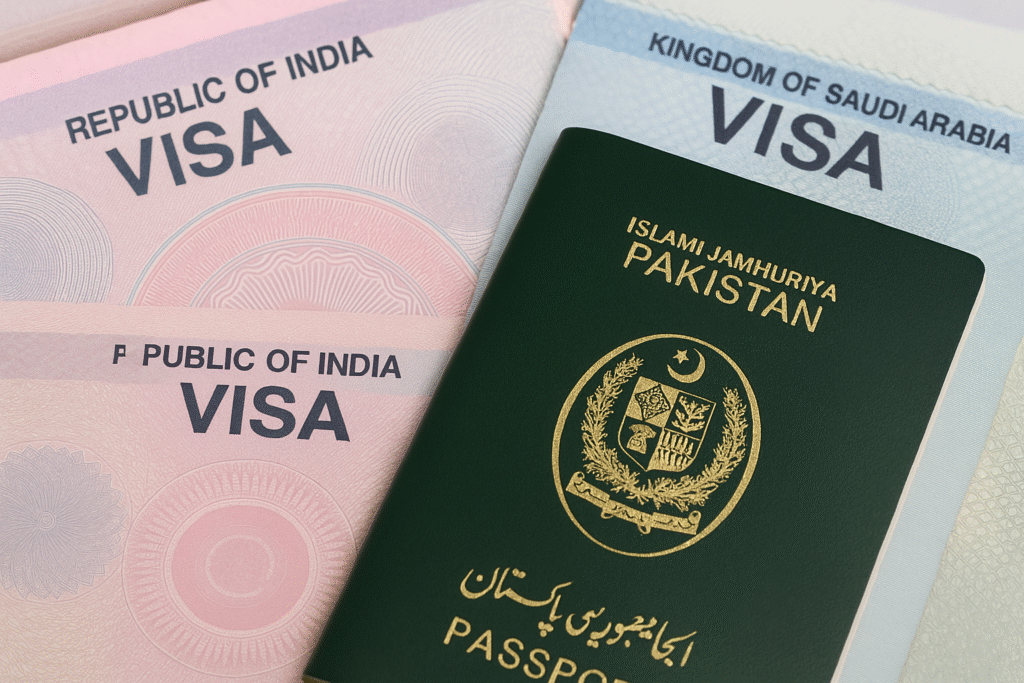
Regional travel has taken a sharp turn as the UAE, India, and Saudi Arabia enforce strict visa measures for Pakistani nationals. These changes come amid heightened security concerns and a growing effort to regulate illegal activities linked to cross-border movement. The sudden shift has affected tourism, work travel, and family visits for millions of Pakistanis who rely on these destinations.
Officials in all three countries have confirmed that the new rules aim to protect national security and streamline migration systems. For Pakistani travelers, the changes have created uncertainty, especially for those planning trips in the upcoming peak travel season.
UAE’s Visa Freeze Sets Off Regional Wave
The United Arab Emirates is one of the top destinations for Pakistani tourists and expatriates. The country’s recent visa freeze has stirred wide concern. Most visa categories for Pakistani nationals now remain suspended.
The UAE continues to process applications only for travelers holding blue passports, reserved for government officials, and diplomatic passport holders. Their applications undergo enhanced verification, which gives them limited access despite the broader freeze.
Travelers using ordinary green passports face long delays, repeated rejections, and unclear timelines. Many agencies report a sharp drop in processed visas, affecting tourism, business visits, and short-term family trips. The UAE has reiterated that the measure aims to reduce illegal entry attempts, unauthorized work, and visa misuse.
India Implements the Strictest Measures
India has taken the toughest stance among the three countries. The government announced the revocation of all existing valid visas for Pakistani nationals from April 27, 2025. This includes tourist, business, and even some medical visas.
The decision followed intensified concerns after a terror incident in Pahalgam. India’s security agencies have pushed for stricter border controls and deeper background checks for all incoming visitors. The authorities also highlighted issues of document misuse, unauthorized entry attempts, and overstaying.
The move has disrupted cross-border family ties, especially for those with cultural and historical links in India. Travel agencies report widespread cancellations of trips planned for religious tourism, weddings, and family reunions.
Saudi Arabia Tightens Screening and Documentation
Saudi Arabia, home to one of the largest Pakistani expatriate communities, has also intensified its visa process. The Kingdom now requires mandatory police verification for Pakistani nationals applying for work or residence visas.
The change stems from rising concerns over illegal recruitment, human trafficking routes, and fake employment visas. Saudi immigration authorities also introduced stricter identity checks to ensure that applicants match their job credentials and personal records.
This shift has created significant delays for workers planning to travel for employment in construction, transport, retail, and hospitality sectors—industries where Pakistani manpower plays a critical role.
Why These Visa Lockdowns Are Happening Now
All three countries cite similar reasons:
- Growing security concerns
- Smuggling and trafficking cases
- Unauthorized labor and fraudulent documentation
- Illegal stay extensions
- Misuse of tourist visas for employment
Authorities across the region confirm that travel systems are under pressure due to rising attempts to exploit entry routes. The lockdown is part of a wider regional trend toward regulated migration and digitized security checks.
Diplomatic Talks Are Ongoing
Despite the strict measures, diplomatic channels remain active. Pakistan’s Foreign Ministry has initiated discussions with all three nations. Officials on both sides indicate willingness to review the restrictions once security assessments show improvement.
Pakistan’s economic dependence on Gulf employment and regional tourism adds urgency to restoring normal travel conditions. Remittances from the UAE and Saudi Arabia remain a major pillar of the national economy.
No clear timeline has been announced, but governments state that the restrictions may ease once screening systems stabilize and cooperation improves.
Impact on Travelers and Tourism
The new policies have disrupted plans for:
- Tourists awaiting visa approvals
- Families planning reunions
- Workers heading to the Gulf for employment
- Business visitors preparing for trade events
- Pilgrims planning religious travel
Travel agencies advise travelers to avoid booking until official clearance is issued. Many travelers with existing visas can still enter, but they may face longer immigration checks and additional documentation requests.
What Pakistani Travelers Should Do Now
Those planning travel to the UAE, India, or Saudi Arabia should:
- Follow updates from official visa centers
- Keep documents ready for enhanced verification
- Avoid third-party agents offering “fast-track” visas
- Expect longer processing times
- Monitor statements from immigration authorities
Authorities also encourage travelers to ensure their purpose of visit aligns strictly with visa type to avoid complications.
What Lies Ahead
The situation remains fluid. The next few months may bring either a gradual easing or further tightening, depending on regional security assessments. Tourism experts believe that countries may introduce new digital verification systems or specialized visa categories to manage travel more securely.
For now, Pakistani nationals are urged to remain patient, plan cautiously, and rely on verified information as the region recalibrates its immigration policies.
For more travel news like this, keep reading Global Travel Wire