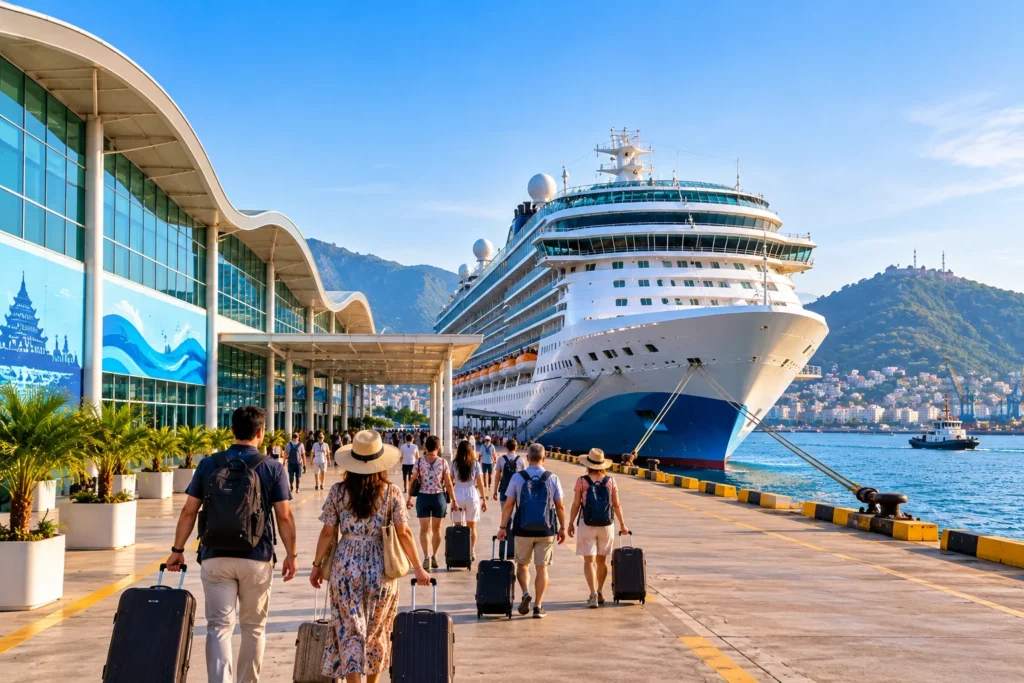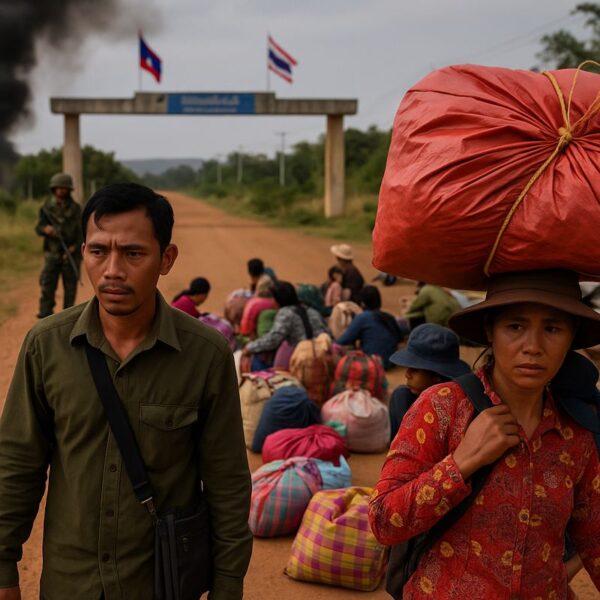
The long-running border tension between Cambodia and Thailand intensified again in early December 2025. Fresh clashes shook communities along the frontier, leaving travelers uncertain and local families displaced. Violence escalated quickly, affecting safety conditions on both sides and casting a shadow over key tourism routes in Southeast Asia.
The conflict erupted on December 7 and intensified within days. By December 10, authorities confirmed several civilian deaths and dozens of injuries. More than one hundred thousand residents fled areas near the border. Many sought temporary safety in provincial shelters, while others moved toward urban centers.
Tourism officials in both countries acknowledged rising concerns. Travelers visiting the northern and western regions of Cambodia and eastern provinces of Thailand reported sudden transport disruptions, roadblocks, and limited access to services.
Immediate Fallout for Travelers
Tourists planning visits to border-adjacent destinations now face growing uncertainty. Several land crossings closed temporarily, causing long queues and cancellations. Local transport operators suspended some services due to security risks. Travel-dependent businesses, including guesthouses and transport hubs, reported a sharp drop in bookings.
Popular tourist circuits near the border experienced logistical challenges. Day trips, cross-border shopping routes, and cultural excursions were halted in many areas. Tour guides advised travelers to avoid rural highways and border-facing districts until the situation stabilizes.
Air travel to major cities remains operational, but regional flights may face delays depending on the conflict’s trajectory. Some airlines signaled potential schedule adjustments, especially for routes linking secondary airports in both countries.
Curfews and Safety Measures
Thailand introduced curfews in parts of Sa Kaeo Province, running from evening to early morning. Officials said the restrictions aim to safeguard residents and prevent further escalation. Travelers currently in affected districts need to remain indoors during restricted hours.
Cambodia issued similar precautions, advising residents and foreigners to avoid unnecessary movements near military zones. Provincial authorities boosted patrols and urged travelers to stay informed through official announcements.
Though major tourist hubs like Phnom Penh, Siem Reap, Bangkok, and Chiang Mai remain peaceful, the spillover impact has created anxiety among visitors. Many are reviewing their itineraries, especially those that include overland travel between the two nations.
Humanitarian Pressure and Tourism Strain
The surge in displaced families has placed pressure on shelters and public facilities in Cambodia. Temporary camps in nearby provinces reported overcrowding and resource shortages. Relief agencies are providing food, medical support, and temporary housing.
For travelers, this means increased demand for essential services in certain provinces. Accommodation may become limited in regions hosting large numbers of displaced residents. Public transportation may also run slower due to road congestion and redirected routes.
Tourism officials continue to assure visitors that major attractions, including Angkor Wat, the Royal Palace in Phnom Penh, and Thailand’s primary beach destinations, remain accessible. Still, uncertainty lingers as travelers weigh safety concerns against long-planned trips.
Military Activity Raises Alarms
The conflict expanded with aerial strikes and heightened military presence near the border. Sightings of fighter jets, convoy movements, and naval patrols in sensitive areas increased concerns for both residents and visitors.
Thailand reinforced its eastern coastline and border provinces with surveillance operations. Fishing communities received warnings to avoid contested waters. For tourists, this may affect certain marine activities, especially near the eastern seaboard.
While popular islands and major resort zones remain safe, authorities advised travelers to stay updated on local announcements. Maritime tours in some coastal districts may operate with restrictions or cancellations depending on daily security assessments.
Diplomatic Channels Remain Open
Despite rising tensions, leaders from both nations signaled willingness to engage in dialogue. Regional partners called for calm and encouraged negotiations to restore stability. Diplomats emphasized that peaceful talks remain the best path forward.
This brings cautious optimism to the tourism sector. A reduction in hostilities would help reopen border crossings, restore transport options, and rebuild traveler confidence. However, until a formal agreement is reached, the situation remains unpredictable.
Advice for Tourists in Southeast Asia
Travelers currently in Cambodia or Thailand, as well as those planning trips, should take practical steps to stay safe:
- Check updated travel advisories from local authorities.
- Avoid conflict-prone districts near the border.
- Confirm hotel and transport bookings before moving between cities.
- Stay connected with embassies and consulates.
- Keep essential documents accessible and maintain flexible travel plans.
- Follow curfew rules and avoid areas with military presence.
Tourists exploring popular urban hubs and coastal resorts can continue their trips with caution, as no major disruptions have been reported in central or southern regions of either country.
Outlook for Tourism
The conflict poses a serious challenge for Cambodia and Thailand, two nations heavily reliant on tourism. Industry leaders hope for rapid de-escalation to rebuild visitor confidence. Until then, safety remains the top priority for travelers.
Tourists planning to visit the region in the coming weeks should stay informed and adapt their plans based on official guidance. As the situation develops, stability in these popular destinations will depend on the progress of diplomatic efforts and security assessments.
For more travel news like this, keep reading Global Travel Wire