Selecting from today’s expansive mainstream cruise vacation choices requires understanding how different global operators balance massive ship capacity with refined guest experiences. With standard seven-day voyages routinely commanding varied price points depending on seasonal demand, understanding ship architecture, crowd management systems, and specialized onboard programming is vital for international travelers planning ocean vacations.
The global cruise sector continues to experience strong passenger volume, driven by fleet expansions and innovative shipbuilding concepts. While major ocean brands offer competing approaches to leisure travel, operational execution and crowd management remain primary factors in determining overall passenger satisfaction across mega-ship fleets.
Mastering Mega-Ship Passenger Flow and Onboard Infrastructure
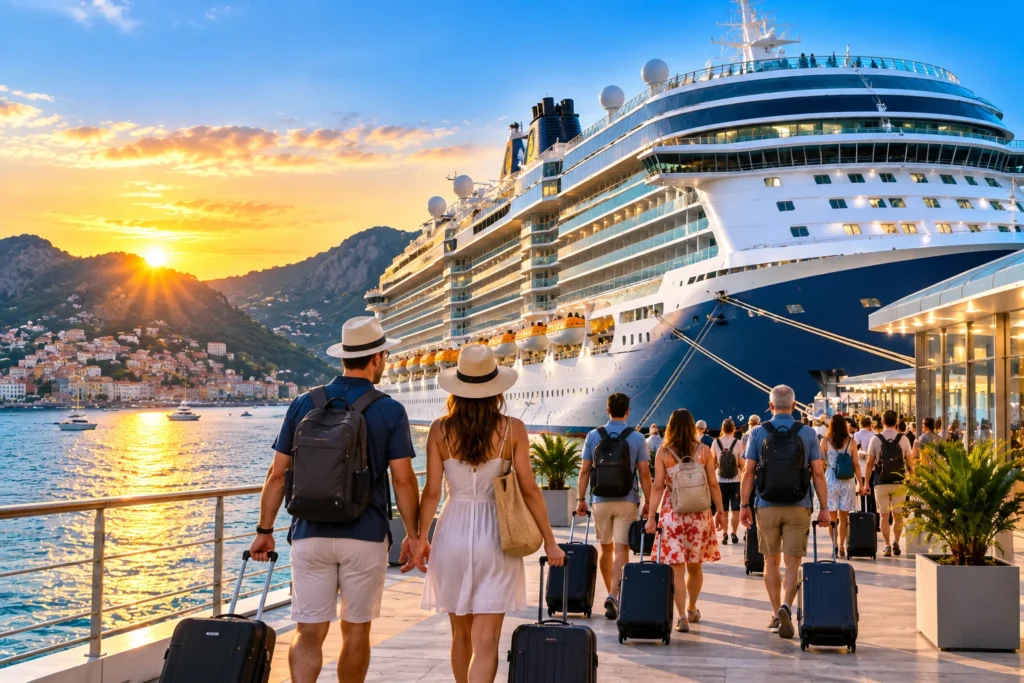
Royal Caribbean International stands as a major pillar within global maritime tourism, controlling approximately one-quarter of the worldwide cruise market. Operating from its global headquarters in Miami, Florida, the carrier has built an international reputation around mega-ship engineering, introducing high-capacity vessels equipped with complex entertainment venues, surf simulators, ice-skating arenas, and multi-deck neighborhood concepts.
The operational success of modern mega-ships relies heavily on sophisticated crowd management systems. Managing passenger flow across vessels accommodating over six thousand guests requires strategic daily scheduling, decentralized dining venues, and dedicated public zones designed to prevent terminal and deck congestion.
Recent fleet developments showcase the scale of modern resort-style cruising:
High-Capacity Itineraries: Deploying Oasis-class vessels like Symphony of the Seas on high-volume Western Caribbean routes allows operators to efficiently handle thousands of guests across major resort ports.
Next-Generation Icon-Class Builds: The introduction of new mega-ships, such as Legend of the Seas, highlights a continued commitment to large-scale ocean innovation, featuring multi-story activity zones, waterslides, and sprawling pool complexes.
Decentralized Activity Hubs: Spreading onboard entertainment across specialized neighborhoods ensures passenger traffic distributes evenly across public spaces throughout the day.
While large-scale resort ships command higher booking rates, international industry metrics indicate that efficient space ratio engineering allows mega-ships to maintain smooth passenger movement, providing consistent vacation experiences despite high total occupancy numbers.
Specialized Onboard Roles and Destination-Focused Enrichment
For travelers seeking a more relaxed, enrichment-focused voyage over high-energy resort attractions, mid-sized premium operators offer a distinct alternative. Premium brands such as Holland America Line focus heavily on regional culinary offerings, live music venues, and structured educational programming tailored to mature international travelers.
A key operational strategy utilized by premium lines involves separating traditional cruise hosting responsibilities into specialized staff roles. Rather than relying on a single cruise director to manage both general entertainment and destination logistics, dividing duties between dedicated entertainment hosts and specialized travel guides enhances the quality of port-specific enrichment.
Destination-focused travel guides deliver comprehensive port briefings, historic lectures, and real-time scenic narrations during long-distance itineraries. This structured approach allows guests to gain deeper cultural insights during extended voyages, such as month-long regional sailings around South America or Grand Voyages spanning multiple continents.
Official tourism statistics confirm that destination-led enrichment remains a primary driver for repeat bookings among experienced cruisers who prioritize cultural exploration over onboard theme-park amenities.
Navigating the Realities of Long-Term Cruise Travel
As global living costs fluctuate, extended maritime travel has emerged as a topic of growing interest among international retirees. The concept of selling residential real estate to reside permanently aboard passenger vessels is frequently discussed across travel forums and leisure communities.
However, maritime operations and international transport guidelines present significant logistical hurdles for travelers considering long-term cruise travel:
Operational Vessel Design: Standard passenger ships are built for short-term vacation turnarounds rather than permanent residential living, with strict limits on long-term storage, medical infrastructure, and continuous cabin occupancy.
Regulatory and Visa Constraints: Navigating international maritime laws, immigration limits across foreign ports of call, and continuous visa renewals creates operational friction for long-stay passengers.
Cost and Insurance Complexities: Long-term bookings require continuous comprehensive travel insurance, specialized international health coverage, and flexible travel logistics that standard cruise contracts are not structured to support.
Official guidelines from major cruise lines emphasize that standard fleet operations are designed around vacation itineraries rather than permanent residential housing. While multi-month Grand Voyages offer extended exploration, traditional commercial fleets actively maintain policies to prevent indefinite residential stays.
Understanding the distinct operational models across global cruise lines helps travelers align their expectations with the appropriate vessel type, ensuring memorable ocean experiences across short getaway itineraries and extended international voyages alike.
For more travel news like this, keep reading Global Travel Wire