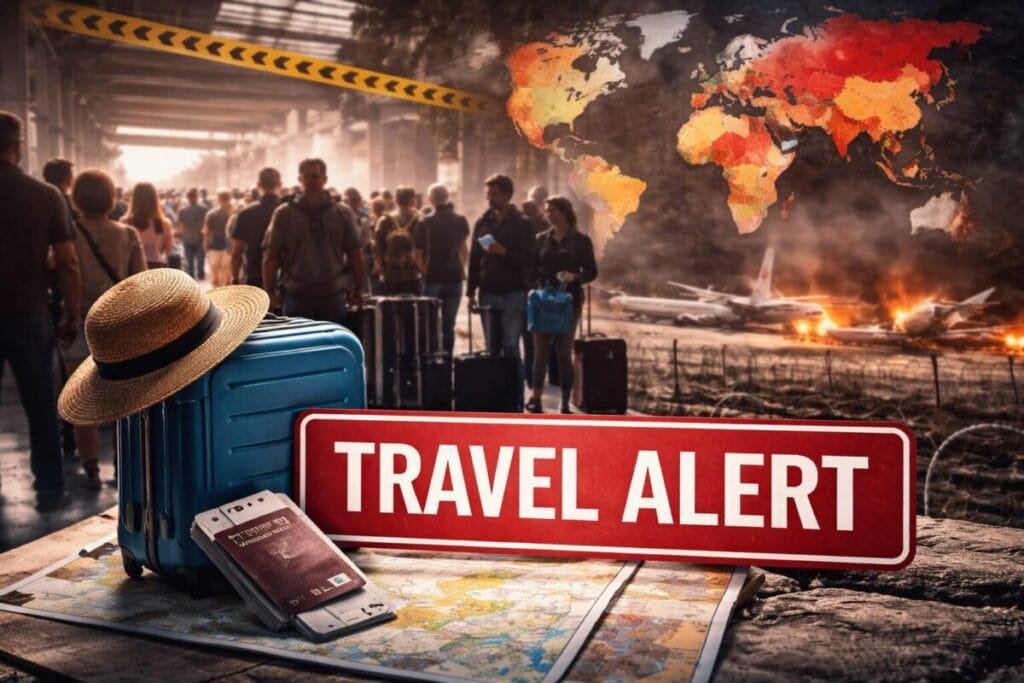
International tourism is entering a turbulent period as political tensions, sanctions, and stricter border policies affect major destinations across the world. Nations such as Greenland, Venezuela, Iran, Canada, Mexico, Colombia, and Nigeria are facing changing travel dynamics driven by diplomatic disputes, economic pressures, and evolving security concerns. Travelers are now navigating a more fragmented tourism landscape where foreign policy and travel regulations are increasingly intertwined.
Greenland’s Rising Strategic Profile Brings Travel Uncertainty
Greenland, known for its remote wilderness and Arctic tourism, has gained unprecedented global attention due to competing geopolitical interests in the Arctic region. The island’s growing strategic relevance has led to increased discussions around Arctic security, trade routes, and natural resources. While no formal territorial disputes exist, the heightened rhetoric and global interest have created concerns among travelers about long-term stability and future accessibility. Tourism operators report higher inquiry volumes from travelers seeking reassurance about logistics and safety during peak travel seasons.
Venezuela’s Tourism Market Impacted by Sanctions and Economic Strain
Venezuela remains one of South America’s most affected nations in terms of tourism disruption. Years of economic hardship, international sanctions, and political disputes have reduced inbound tourism significantly. Many airlines scaled back operations due to currency complications, insurance issues, and travel advisories. Travelers who once visited for cultural events, beaches, and eco-tourism now face reduced flight availability, stricter airport procedures, and fluctuating visa requirements. Tourism analysts note that recovery will depend on economic stabilization and improved diplomatic engagement with foreign markets.
Iran Faces Travel Slowdowns Amid Sanctions and Reduced Airline Connectivity
Iran has experienced a major decline in international arrivals due to sanctions and transportation restrictions affecting global carriers. Several international airlines previously operating in Tehran withdrew or reduced service due to financial compliance risks and logistical barriers. Tourists interested in Iran’s cultural and historical attractions now encounter fewer travel options and increased bureaucratic hurdles. Many European, Asian, and Middle Eastern travelers have postponed travel plans until flight routes and visa processes become more predictable. Domestic tourism remains strong, but inbound tourism growth has stalled.
Canada Experiences Border Policy Shifts Influencing Cross-Border Tourism
Canada, typically viewed as a stable and high-value tourism destination, has faced new travel uncertainties linked to shifting trade relations and evolving border security agreements. Differences over Arctic shipping lanes, energy policy, and trade negotiations have led to stricter documentation checks at border crossings, affecting both tourism and business travel. Canadian tourism officials emphasize that the country remains safe and welcoming, yet they acknowledge that longer wait times and new screening procedures have affected the travel experience for some visitors, particularly those entering from the United States by land.
Mexico Confronts Travel Delays Due to Border and Visa Policy Changes
Mexico’s tourism sector continues to grow, but border wait times and visa screening procedures have tightened in recent years due to evolving immigration and trade discussions. Frequent travelers report longer queues at land ports, increased security patrols, and occasional travel delays during peak seasons. Despite these complications, destinations such as Cancun, Mexico City, and Los Cabos remain among the most visited tourism hubs in the world. Airlines are adjusting schedules and expanding routes to minimize disruptions, but government officials warn that ongoing policy changes may continue to affect cross-border mobility.
Colombia Balances Tourism Expansion with Security and Regional Pressures
Colombia has positioned itself as one of South America’s fastest-growing tourism destinations, drawing visitors with its landscapes, culinary scene, and cultural renaissance. However, regional tensions and security cooperation initiatives have led to heightened military activity along border regions and coastal areas. Travelers visiting Bogotá, Medellín, and Cartagena continue to enjoy largely uninterrupted services, yet tourism experts note that airlines and cruise operators are monitoring regional developments closely. Safety perceptions remain key to Colombia’s long-term tourism expansion.
Nigeria Adapts to Security Challenges and Global Travel Advisories
Nigeria, Africa’s largest economy, is working to strengthen its tourism credentials. However, security operations in the northern and central regions have contributed to international travel advisories from multiple governments. These advisories influence traveler confidence and insurance coverage, both of which shape tourism flows. Lagos and Abuja maintain regular international connections, though airlines frequently adjust routes based on demand and security assessments. Nigeria’s tourism authorities are investing in cultural festivals, ecotourism projects, and infrastructure to counterbalance negative travel perceptions and stimulate regional tourism growth.
Global Tourism Faces a More Complex Future
The intersection of foreign policy, security concerns, and economic sanctions is reshaping how travelers move across borders. Airlines, tour operators, and hospitality businesses are adjusting strategies to address new realities involving documentation requirements, travel advisories, diplomatic negotiations, and flight availability. While none of the affected nations are closed to tourism, the climate of uncertainty is causing travelers to research more carefully, purchase travel insurance more frequently, and plan trips farther in advance.
The future of global tourism may depend on diplomatic cooperation, stable trade relationships, and improved communication between governments and tourism stakeholders. For now, travelers and industry leaders alike are preparing for a world where international tourism is deeply influenced by geopolitical decision-making rather than purely leisure trends.
For more travel news like this, keep reading Global Travel Wire