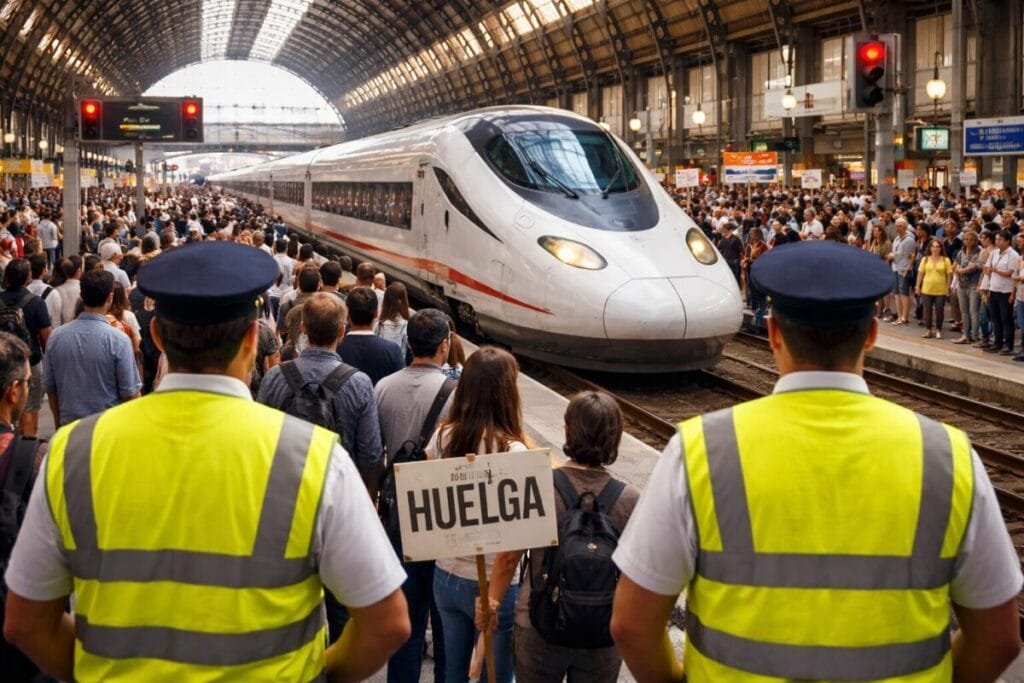
Spain prepares for major rail disruptions in February 2026. Train drivers plan a three day strike that centers on safety concerns after several deadly accidents. The news unsettles commuters and tourists who depend on Spain’s rail network. The strike comes during a busy travel period and highlights growing pressure on the country’s transport sector.
Fatal Accidents Ignite Outrage Across the Rail Network
Spain experienced a series of fatal train accidents during recent months. The events triggered shock and frustration among workers and passengers. One crash near Valencia killed two passengers and injured several others. Another incident damaged rail infrastructure and caused extensive delays across major routes. Train drivers claim that staffing levels and infrastructure upgrades cannot keep up with demand. They argue that safety systems lag behind modern standards used in other countries.
Union leaders say they will not ignore conditions that endanger staff and passengers. They have demanded immediate investment in modern signaling technology, improved track maintenance, and updated operating procedures. Drivers also want stronger oversight from regulators to prevent future tragedies.
Strike Dates and Expected Disruptions
The strike will begin on Monday, February 9, 2026, and end on Wednesday, February 11, 2026. The action spans three full days. The walkout will impact domestic and international routes during the event. High speed services between Madrid, Barcelona, Valencia, Malaga, and Seville may face heavy delays or cancellations. Regional trains will also suffer major disruptions, which will affect workers in smaller cities and towns.
International connections to France may also experience interruptions. Tourists often rely on these high speed routes to reach Spanish resorts and cultural destinations. These disruptions may push many visitors toward buses, car rentals, or short haul flights to avoid missed connections.
Union Demands Focus on Rail Modernization
The National Union of Spanish Train Drivers says safety concerns form the core of their demands. The union lists outdated signaling systems, delayed maintenance schedules, and staffing shortages as key issues. Drivers also want more training programs to handle emergency situations. Many members believe that budget cuts over the past decade weakened the system and increased accident risk.
Union officials insist that their strike aims to protect passengers and not just negotiate better working conditions. They argue that tourism and commuter demand continue to grow while safety investments remain slow. Rail travel in Spain has increased steadily over the past years due to the popularity of high speed trains. The network also handles an increasing number of international tourists who arrive by rail after entering the Schengen Area. Union leaders say modernization must keep pace with rising ridership.
Government Promises Action but Warns of Impact
Spain’s government responded quickly to the strike announcement. Officials promised to prioritize railway safety and scheduled meetings with union representatives. Transport authorities acknowledged the concerns raised by drivers and confirmed that modernization plans remain underway. They also noted that the strike would disrupt service during a busy period for both business and tourism travel.
The state rail operator issued statements that reassured passengers that the company would maintain limited service. Replacement buses may cover certain routes. However, travelers should expect crowded trains and longer travel times. The extent of disruptions will depend on staffing levels and negotiation progress during early February.
Tourism Sector Monitors Situation Closely
Spain remains one of the world’s most visited destinations. Millions of tourists arrive each year for culture, food, beaches, festivals, and heritage sites. Rail travel plays a major role in that experience. High speed AVE trains allow visitors to explore multiple regions in a short period. Tourism businesses worry that canceled trains may push travelers to shorten holidays or avoid multi city itineraries.
Popular cities like Barcelona, Seville, and Valencia rely on rail connectivity to distribute tourists beyond major hubs. Local officials hope the strike ends before Easter season, when tourist numbers increase sharply. Travel agencies already report customer questions about alternative transport options.
Transport Sector Faces Broader Worker Unrest
The strike fits into a larger pattern of unrest in Spain’s transportation industry. Workers in aviation and public transit have staged strikes over pay, staffing, and safety concerns. Analysts say the trend reflects pressure created by rapid tourism growth, inflation, and infrastructure fatigue. Spain’s rail workers argue that safety investment can no longer wait as the network carries more passengers each year.
Spain has also expanded freight rail capacity as part of its logistics strategy. Freight trains move agricultural goods, automotive parts, and industrial products between ports and factories. Drivers claim that increased freight traffic also requires stronger safety systems to prevent track failures and collisions.
Travelers Urged to Prepare for Delays and Adjust Plans
Tourists planning February travel should prepare early. Train schedules may change without much notice. Travelers with tight connections or multi city trips may need to consider buses or short flights. Spain’s domestic airline network remains robust and offers multiple daily connections between major cities.
Will the Strike Produce Real Change?
Many observers wonder whether the strike will trigger real progress. Union officials and government leaders have signaled a willingness to negotiate. Spain’s reputation as a safe and reliable destination remains important for both tourism and the broader economy. Rail modernization may reduce future accidents and restore confidence among passengers and workers.
The coming months will reveal whether increased funding and improvements can prevent further strikes. For now, travelers must prepare for disruption as Spain confronts a critical moment for its rail industry.
For more travel news like this, keep reading Global Travel Wire