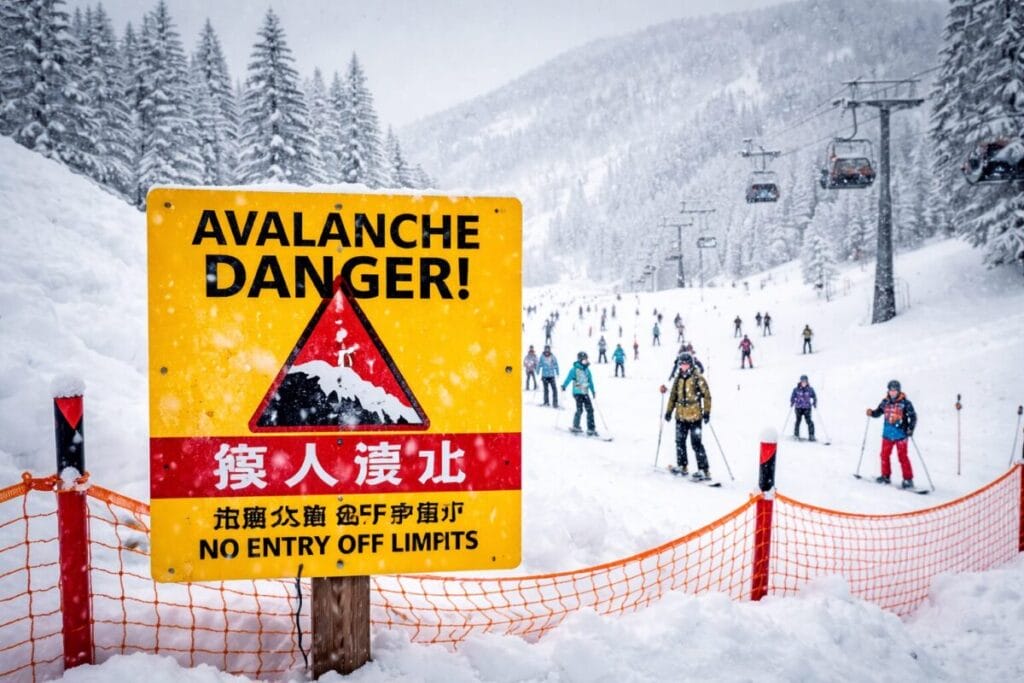
Japan’s famous powder snow continues to attract global skiers and snowboarders. Known widely as “Japow,” the country’s winter landscape has built a strong reputation among adventure travellers. However, the 2025-2026 season has brought unexpected risks alongside record snowfall.
Authorities have issued new safety warnings after several tragic incidents involving international visitors. Heavy snow accumulation, changing weather patterns, and increased tourism activity have raised concerns across popular alpine destinations.
Northern regions, including Hokkaido and parts of Honshu, recorded snowfall exceeding four metres in some areas. While such conditions improve skiing quality, they also create unstable terrain, infrastructure stress, and unpredictable hazards.
Government agencies and resort operators now urge tourists to prioritize safety and follow updated guidelines.
Recent Tourist Incidents Trigger Nationwide Review
Three separate fatalities involving Australian travellers have sparked renewed focus on mountain safety practices. Officials are reviewing equipment regulations, resort procedures, and visitor awareness campaigns.
One incident occurred at a major ski resort in Nagano Prefecture. A young snowboarder suffered a fatal accident after her backpack became caught in a chairlift during disembarkation. Investigators highlighted the danger of loose straps and improperly managed equipment.
Another incident took place in the Niseko region, a globally recognised ski destination. A seasonal worker was discovered unresponsive in backcountry terrain between resort areas. Emergency responders attempted resuscitation but were unable to save him. Early reports considered avalanche risk, though authorities later focused on possible medical causes.
Earlier in the season, a teenage visitor died after colliding with a boundary marker within a ski area. These incidents collectively prompted operators and tourism officials to re-evaluate safety communication strategies for international visitors.
New Backpack and Chairlift Safety Recommendations
Following the chairlift accident, ski resorts across Japan are introducing stricter equipment checks. Visitors now receive strong recommendations to remove backpacks before boarding lifts whenever possible.
If removal is impractical, travellers should secure all straps and cords tightly. Experts warn that modern technical packs contain loops, buckles, and attachments that can easily snag on lift structures.
Resort staff are increasing monitoring at loading zones. Training programs now emphasize early intervention when unsafe equipment is spotted.
These measures aim to reduce entanglement risks, which remain rare but potentially fatal.
Off-Piste Skiing and Backcountry Risks Highlighted
Japan’s deep powder attracts experienced riders seeking untouched terrain. However, officials stress that areas beyond resort boundaries carry significant danger.
Backcountry zones are not regularly patrolled. Snow stability testing is limited compared to managed slopes. Avalanche risk has increased this season due to layered snowpack conditions created by repeated heavy storms.
Experts describe the current snow structure as unstable in certain regions. Even calm weather may not indicate safe conditions.
Travellers planning off-piste adventures should carry avalanche safety gear, including beacons, probes, and shovels. Authorities strongly recommend hiring certified local guides who understand regional terrain and weather behaviour.
Resorts also remind visitors that crossing marked boundaries may reduce access to emergency rescue services.
Extreme Snowfall Creates Hazards Beyond Ski Slopes
Safety concerns extend into towns and cities affected by heavy snowfall. Snow accumulation has led to roof collapses, falling ice, and accidents during snow clearing activities.
Authorities report multiple weather-related fatalities nationwide during the winter season. Urban areas in northern Japan have seen towering snowbanks lining roads and walkways. Sudden temperature increases can destabilize these structures, causing dangerous slides.
Travellers should remain alert when walking near buildings or under snow-covered roofs. Wet snow avalanches can also occur during warming periods, especially after intense storms.
Meteorological agencies continue to monitor conditions closely. Visitors should check local weather alerts daily.
Government Travel Advice for Winter Visitors
Japanese tourism officials emphasize preparation and awareness as key to safe winter travel. Visitors are encouraged to download official safety apps that provide real-time weather alerts, disaster warnings, and emergency guidance.
Comprehensive travel insurance remains essential. Policies should explicitly include winter sports activities. Many standard plans exclude off-piste skiing or adventure sports, leaving travellers financially vulnerable during emergencies.
Tourists should also register travel plans with their home country authorities whenever possible. This step helps consular teams respond quickly during emergencies.
Simple precautions can significantly reduce risks. These include:
- Checking avalanche forecasts before skiing.
- Following marked trails and resort instructions.
- Avoiding solo backcountry exploration.
- Staying hydrated and aware of altitude effects.
- Respecting weather warnings and temporary closures.
Balancing Adventure with Responsibility
Japan remains one of the world’s most desirable winter destinations. Resorts continue to welcome visitors and maintain high safety standards. However, the extreme conditions of the 2026 season highlight the importance of responsible travel behaviour.
Mountain environments can change rapidly. Even experienced athletes face unexpected challenges when weather conditions shift.
Authorities stress that enjoying Japan’s winter beauty requires respect for nature and adherence to safety rules. With proper preparation and awareness, travellers can still experience the magic of deep powder snow while minimizing risk.
As the season continues, updated guidelines and increased safety communication aim to protect visitors and ensure that Japan’s winter tourism remains both exciting and secure.
For more travel news like this, keep reading Global Travel Wire