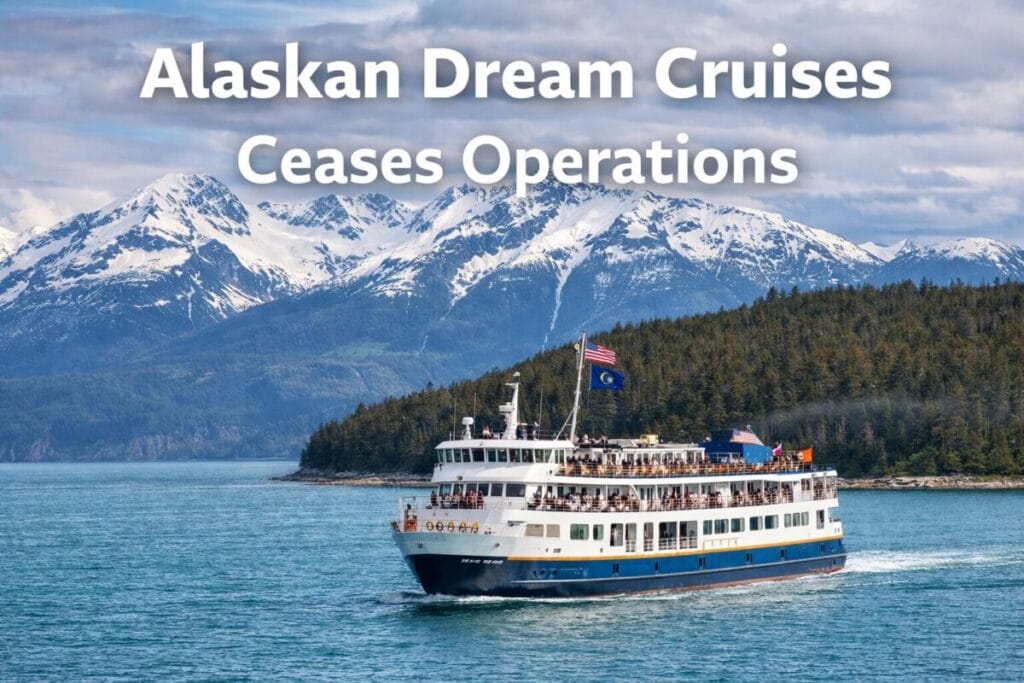
The closure of Alaskan Dream Cruises marks a significant moment for Alaska’s cruise tourism industry, particularly within the niche but influential small-ship cruising sector. After more than a decade of operations, the company has officially ceased sailings, underscoring the rapid changes reshaping how cruise tourism functions in one of the world’s most environmentally sensitive and visually spectacular destinations.
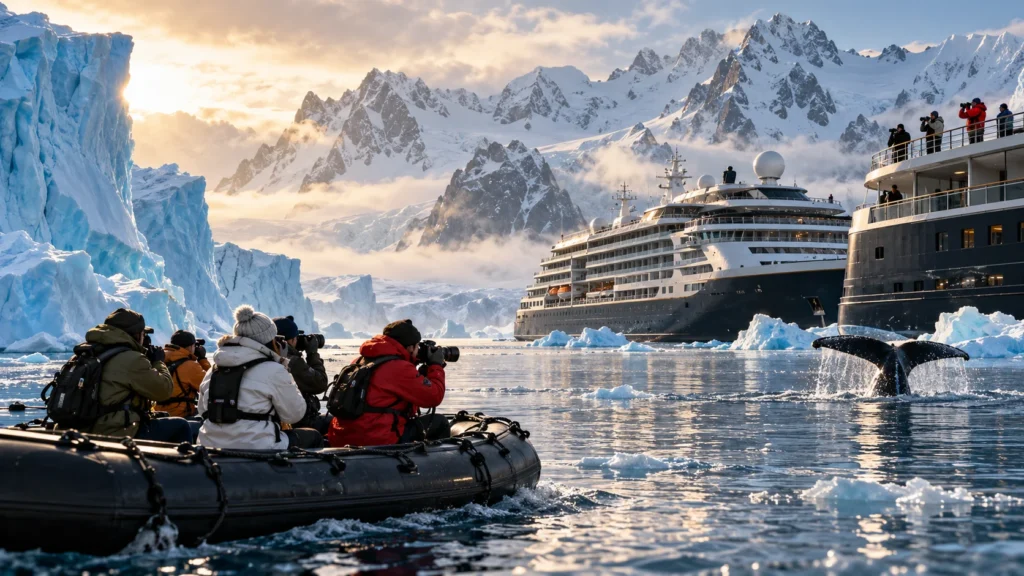
Founded in 2011, Alaskan Dream Cruises was among the early pioneers of modern small-ship cruising in Alaska. Its vessels catered to travelers seeking intimate, experience-driven journeys that focused on remote coastal communities, wildlife encounters, and deep engagement with Alaska’s natural landscapes. Unlike large cruise ships carrying thousands of passengers, small-ship operators typically host fewer than 100 guests, offering personalized itineraries and access to less-visited regions.
A Reflection of Industry Evolution, Not Decline
While the closure may appear to signal trouble for small-ship cruising, industry observers suggest it reflects a broader transformation rather than a collapse. Alaska’s cruise tourism sector has experienced sustained growth over the past decade, driven by global demand for nature-based travel and adventure tourism. However, this growth has also introduced challenges, including rising operating costs, stricter environmental regulations, workforce constraints, and increasing competition.
In this context, the decision by Alaskan Dream Cruises to cease operations points to shifting market dynamics rather than mismanagement. As the industry matures, operators are being pushed to reassess long-term sustainability, fleet investment, and business models. For small-ship companies, balancing environmental responsibility with financial viability has become increasingly complex.
The Changing Landscape of Small-Ship Cruising in Alaska
Small-ship cruising remains a vital segment of Alaska tourism, particularly for travelers who value exclusivity, cultural immersion, and responsible travel practices. These cruises often emphasize local guides, regional cuisine, and educational programming focused on ecology and Indigenous heritage.
However, Alaska’s popularity has also brought concerns about overcrowding, infrastructure strain in small ports, and environmental impact. These pressures affect smaller operators disproportionately, as they lack the economies of scale enjoyed by large cruise lines. Rising fuel costs, vessel maintenance expenses, and compliance with evolving safety and environmental standards further challenge profitability.
The closure of Alaskan Dream Cruises may accelerate a shift toward consolidation or innovation within the small-ship segment. Future operators are likely to explore new approaches, such as hybrid propulsion technologies, shorter itineraries, or deeper partnerships with local communities to remain competitive.
Economic Ripple Effects Across Coastal Communities
The impact of the closure extends beyond the cruise line itself. Small-ship cruises play an important role in Alaska’s coastal economies, particularly in lesser-visited towns that do not regularly receive large cruise ships. Guests on small vessels often spend more per capita on guided excursions, local crafts, and community-based experiences.
A reduction in small-ship sailings could temporarily affect tourism income in these regions. However, it may also encourage diversification, prompting communities to attract alternative forms of tourism or collaborate with new operators offering innovative itineraries.
At the same time, Alaska’s broader cruise tourism economy remains robust. Large-scale cruise operations continue to bring significant visitor numbers, supporting ports, transportation services, and hospitality businesses across the state.
The Role of Allen Marine in Alaska’s Tourism Future
Although Alaskan Dream Cruises has shut down, its parent company, Allen Marine, continues to play a prominent role in Alaska’s tourism ecosystem. Allen Marine remains active in shore excursions and marine-based sightseeing experiences, serving both cruise passengers and independent travelers.
The company’s continued presence highlights the diversification underway within Alaska’s tourism industry. Rather than relying solely on multi-day cruises, operators are increasingly offering day excursions, wildlife tours, and destination-focused experiences that align with sustainable tourism goals.
Looking ahead, companies like Allen Marine are well positioned to adapt to changing traveler expectations by investing in low-impact operations, advanced vessel technology, and community partnerships.
Sustainability at the Center of Alaska’s Cruise Strategy
Environmental stewardship has become a defining factor in Alaska’s tourism policies and industry practices. Small-ship cruising has historically aligned well with these priorities due to its lower passenger volumes and emphasis on education and conservation.
The closure of one operator does not diminish the importance of this segment but instead highlights the need for continued innovation. Future success in Alaska’s cruise tourism sector will depend on aligning business models with environmental protection, community engagement, and economic resilience.
As climate conditions shift and regulatory frameworks evolve, cruise operators will need to invest in resilient infrastructure and adaptive planning. Alaska’s reputation as a pristine destination depends on careful management of visitor flows and long-term sustainability strategies.
Opportunities Ahead for Alaska Cruise Tourism
The exit of Alaskan Dream Cruises creates space for new entrants and ideas within the small-ship market. Emerging operators may introduce vessels designed specifically for Arctic and sub-Arctic conditions, integrate cultural tourism more deeply, or focus on shoulder-season travel to reduce pressure during peak months.
For travelers, Alaska remains one of the world’s most compelling cruise destinations. Demand for authentic, nature-focused experiences continues to grow, suggesting that small-ship cruising will remain an important part of the tourism mix despite short-term adjustments.
A Turning Point, Not an Ending
The shutdown of Alaskan Dream Cruises represents a turning point for Alaska’s cruise tourism industry rather than a setback. It reflects an industry in transition—one that is responding to environmental realities, economic pressures, and changing traveler values.
As Alaska continues to refine its approach to tourism development, the lessons from this closure may help shape a more resilient, innovative, and sustainable future for small-ship cruising in the region.
For more travel news like this, keep reading Global Travel Wire