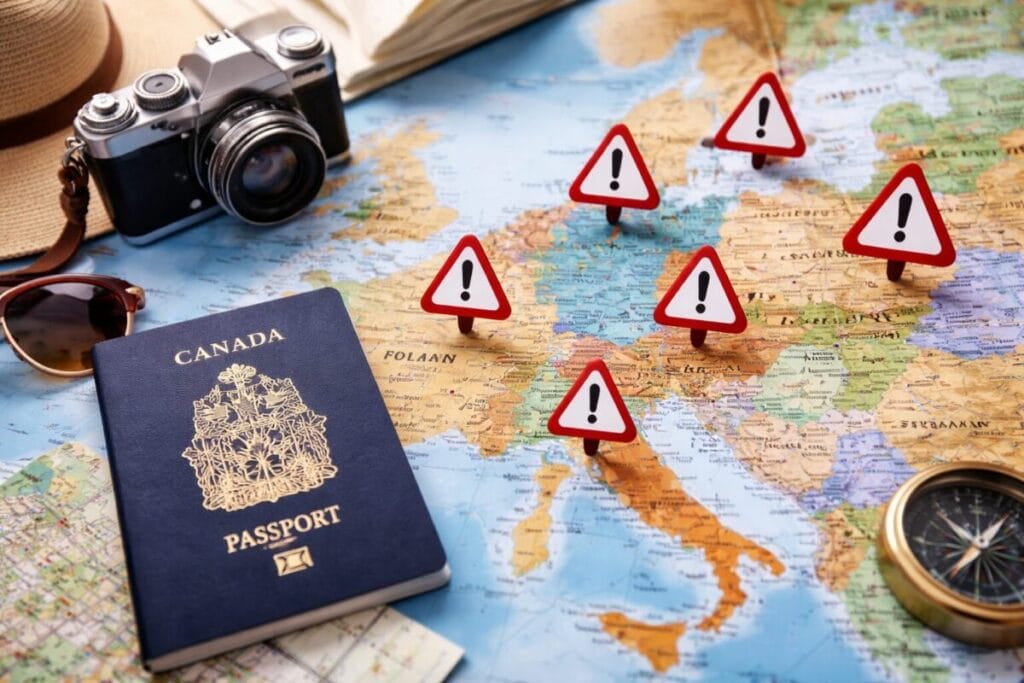
Canada has issued a fresh travel advisory for several Schengen countries in Europe ahead of the busy Spring 2026 season. The warning covers major destinations including Poland, Germany, Switzerland, Hungary, Italy, France, and Denmark.
Officials cite visa delays, political tensions, terrorism concerns, and rising petty crime as key reasons behind the advisory. Canadian travelers are urged to exercise increased caution and prepare carefully before departure.
The advisory does not discourage travel entirely. However, it stresses awareness, preparation, and close monitoring of local developments.
Why Canada Updated Its Travel Advisory
Europe remains one of the most visited regions in the world. Millions of Canadians travel to the Schengen area each year for tourism, business, and study.
However, several risk factors have intensified:
- Ongoing geopolitical tensions in Eastern Europe
- Increased demonstrations in major cities
- Persistent terrorism threats
- Higher reports of pickpocketing and organized theft
- Visa processing delays in some countries
Spring marks the beginning of peak travel season. Authorities want travelers informed before bookings increase.
Poland: Border Sensitivities and Regional Tensions
Poland continues to play a critical role in European security due to its proximity to Ukraine. While most of the country remains stable, border regions require heightened awareness.
Travelers should note:
- Airspace alerts near eastern regions
- Increased military presence in some areas
- Heightened monitoring of public infrastructure
Major cities such as Warsaw and Kraków remain popular and operational. However, petty crime has increased in busy transit hubs.
Officials advise visitors to avoid border areas unless necessary and to follow local safety updates.
Germany: Protests and Urban Security Concerns
Germany remains a central travel hub in Europe. Cities like Berlin, Munich, and Frankfurt attract millions annually.
Recent months have seen:
- Larger public demonstrations
- Transportation strikes
- Heightened counterterrorism monitoring
Pickpocketing incidents frequently occur at train stations, airports, and tourist landmarks. Travelers should avoid protest areas, as gatherings can escalate quickly.
Authorities maintain strong security measures in public spaces. Visible police presence has increased in major cities.
Switzerland: Low Risk but Growing Cybercrime
Switzerland remains one of Europe’s safest destinations overall. However, officials highlight a rise in cyber-related fraud and financial scams.
Common risks include:
- ATM skimming
- Credit card fraud
- Data theft on unsecured Wi-Fi networks
Tourists in Zurich, Geneva, and Basel should secure personal belongings in crowded areas. While violent crime remains low, theft continues to target visitors.
Security services maintain vigilance due to broader European terrorism risks.
Hungary: Political Polarization and Demonstrations
Hungary has experienced growing political polarization. Public demonstrations occur more frequently, especially in Budapest.
While violent crime rates remain relatively low, travelers should monitor:
- Organized protests
- Large political gatherings
- Increased security around government buildings
Petty theft remains common in markets, shopping districts, and train stations.
Authorities advise avoiding protest sites and staying updated through local media.
Italy: Rising Tourist Theft and Protest Activity
Italy continues to rank among Europe’s most visited countries. Rome, Milan, Florence, and Venice attract millions each season.
However, reports show:
- Increased pickpocketing in tourist zones
- Organized distraction scams
- Periodic labor strikes affecting transport
Visitors should remain alert in crowded areas such as metro stations and historic landmarks. Thieves often operate in groups.
Demonstrations occur in major cities. While most remain peaceful, disruptions to public services are common.
France: High Terror Alert and Civil Unrest
France maintains a heightened national security posture. Major cities like Paris, Nice, and Marseille continue to operate under reinforced security measures.
Travelers should expect:
- Increased police and military patrols
- Strict monitoring at major attractions
- Transportation disruptions during strikes
Public protests frequently impact transportation networks. Demonstrations can emerge quickly and block key city routes.
Petty theft remains common in tourist-heavy districts and metro systems.
Denmark: Elevated Terror Alert and Urban Crime
Denmark has raised its national terrorism alert level in recent years. Copenhagen remains a popular city break destination, yet authorities stress caution.
Concerns include:
- Threat levels around public buildings
- Pickpocketing in busy commercial areas
- Isolated gang-related incidents in specific neighborhoods
Tourists should avoid areas known for organized gang activity and remain alert in nightlife districts.
Visa Delays Impact Spring 2026 Travel Plans
In addition to security concerns, visa processing delays are affecting some travelers.
Increased demand, staffing pressures, and enhanced border procedures have contributed to longer wait times in certain Schengen countries.
Travelers should:
- Apply well in advance
- Confirm entry requirements
- Ensure passport validity meets Schengen rules
- Monitor updates from official consular services
The Schengen zone allows short stays across multiple European countries, but entry compliance remains strict.
Key Safety Tips for Travelers
Canadian authorities encourage practical safety steps:
Stay Informed
Monitor official travel updates and local news. Avoid relying solely on social media.
Avoid Demonstrations
Protests can escalate without warning. Leave the area immediately if tensions rise.
Protect Valuables
Use anti-theft bags. Keep documents secure. Avoid displaying expensive items.
Use Secure Internet Connections
Avoid public Wi-Fi for banking or sensitive transactions.
Plan Visa Applications Early
Expect processing delays during peak travel periods.
Europe Remains Open — But Caution Is Essential
Despite the advisory, Schengen countries remain open and continue to welcome tourists. Infrastructure, airports, and hospitality services operate normally across most destinations.
The advisory encourages preparation, not panic.
Spring 2026 will likely see high travel demand. With careful planning, travelers can still enjoy Europe’s historic cities, cultural festivals, and natural landscapes safely.
Security conditions can shift quickly. Staying alert and prepared makes the difference.
Canada’s message is clear: travel smart, stay informed, and prioritize safety while exploring Europe’s most iconic destinations.
For more travel news like this, keep reading Global Travel Wire