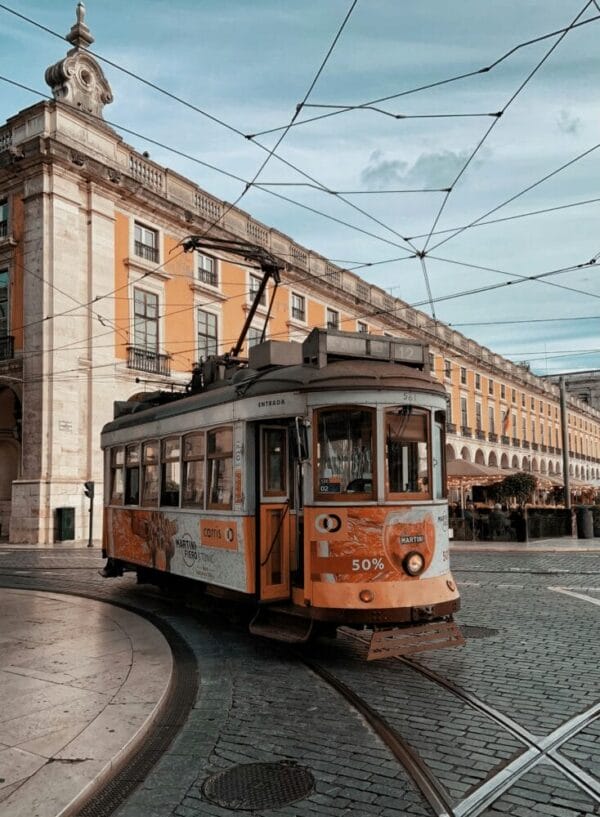
Munich has taken a significant step toward reshaping urban mobility with the launch of its new Tram Line 14, marking the first operational phase of the ambitious Westtangente tram expansion. The newly opened section strengthens transport links across the city’s western districts, easing pressure on central corridors while enhancing accessibility for residents and visitors alike.
The Westtangente project, spanning approximately 8.3 kilometres upon completion, is one of Munich’s most important public transport initiatives in recent years. Designed to improve east–west connections outside the historic city centre, the tram extension aims to reduce congestion, promote sustainable mobility and create a more balanced transport network.
A New Era for Western Munich Connectivity
The initial 1.5-kilometre stretch now in service connects Fürstenrieder Straße with Ammerseestraße in western Munich. This segment is currently operated by Line 14 and represents the first completed phase of the wider Westtangente route.
During daytime hours, trams run at intervals of roughly ten minutes, offering reliable frequency for commuters and tourists. Late-night and early-morning services operate every twenty minutes, ensuring extended connectivity across districts even outside peak travel times.
Operated by Münchner Verkehrsgesellschaft (MVG), Munich’s municipal transport provider, the new service integrates seamlessly into the city’s established public transport network under the Münchner Verkehrs- und Tarifverbund (MVV).
Strategic Stops and Seamless Transfers
The newly opened section introduces three key stops:
- Fürstenrieder Straße
- Laimer Platz
- Aindorferstraße
Laimer Platz is particularly significant, serving as an important interchange with the U5 U-Bahn line. This connection enhances multimodal travel options, enabling passengers to transfer easily between tram and subway services.
For visitors, the improved interchange means smoother access to central Munich, major shopping areas and cultural attractions without navigating congested city centre routes. Residents in western districts such as Laim and Sendling-Westpark benefit from shorter and more direct travel paths.
The new stops are fully accessible, featuring level boarding platforms and step-free access designed to accommodate passengers with mobility needs, families with strollers and travelers carrying luggage.
Addressing Network Gaps and Reducing Congestion
Munich’s public transport system has traditionally been centre-oriented, with many routes converging toward the city core. While efficient, this structure often required indirect travel between outer districts.
The Westtangente tram extension addresses this gap by creating a strong north-south corridor across the western neighbourhoods. By offering direct connections that bypass central bottlenecks, Line 14 helps distribute passenger flows more evenly throughout the network.
Transport planners anticipate that the new route will relieve pressure on busy underground and S-Bahn lines, particularly during peak hours. This decentralisation strategy supports Munich’s broader mobility goals while improving reliability for everyday users.
Future Expansion Plans
The Westtangente project is being delivered in multiple phases. The next stage is expected to extend the route southward from Ammerseestraße to Waldfriedhof and Aidenbachstraße, with completion targeted later this decade.
A northern extension toward Romanplatz remains linked to wider rail infrastructure developments, including improvements connected to Munich’s second core S-Bahn tunnel project. Once fully operational, the line will stretch from Romanplatz in the north to Aidenbachstraße in the south.
This comprehensive route will serve districts such as Neuhausen-Nymphenburg, Laim, Sendling-Westpark and Hadern, connecting residential areas with employment centres, educational institutions and recreational spaces.
Boosting Sustainable Travel
Sustainability lies at the heart of Munich’s transport strategy. Expanding tram infrastructure supports the city’s environmental goals by encouraging public transport usage over private vehicles.
Trams operate on electric power and produce significantly lower emissions compared to car traffic. By offering convenient alternatives to driving, Line 14 contributes to reduced congestion and improved urban air quality.
The expansion also complements Munich’s cycling and pedestrian infrastructure, reinforcing an integrated approach to sustainable mobility.
What It Means for Visitors
For tourists exploring Munich, the introduction of Line 14 simplifies access to western neighbourhoods often overlooked by traditional sightseeing routes.
Visitors can purchase a valid MVV ticket covering trams, buses, U-Bahn and S-Bahn services. Real-time schedules and updates are available through official transport apps and station displays.
From Laimer Platz, travelers can quickly connect to the U5, reaching central landmarks such as Marienplatz and the Hauptbahnhof. Connections to Munich-Pasing provide access to regional and long-distance rail services, expanding travel options across Bavaria.
The new tram corridor also offers easier access to green spaces and residential districts, giving visitors a broader perspective of Munich beyond the historic centre.
Infrastructure Designed for Growth
In addition to new track sections, the project includes upgrades to existing infrastructure. Stops along related lines have been modernised to improve accessibility and incorporate digital passenger information systems.
Platforms are built to accommodate longer trams in the future, allowing for increased capacity as passenger demand grows. This forward-thinking design ensures that the network can adapt to population expansion and evolving mobility patterns.
A Strategic Step Forward
The launch of Tram Line 14 represents more than just a route addition—it reflects Munich’s long-term vision for a balanced, sustainable and interconnected transport system.
By strengthening cross-city connections outside the congested centre, the Westtangente expansion enhances everyday mobility while supporting tourism and economic development.
As additional sections open in the coming years, Munich’s public transport landscape will continue to evolve, offering faster, greener and more convenient travel options for residents and visitors alike.
With Line 14 now in service, western Munich stands better connected than ever, marking a new chapter in the city’s commitment to smart urban mobility.
For more travel news like this, keep reading Global Travel Wire