South African Tourism has extended its deepest condolences following a tragic rail accident involving a Rovos Rail train near Naute in Namibia. The incident resulted in the loss of two lives, including the driver of the Rovos Rail locomotive and the pilot operating a TransNamib train. The accident has sent shockwaves across the regional tourism and transportation sectors, particularly among those connected to luxury rail travel in Southern Africa.
In an official message, South African Tourism expressed sympathy for the families, colleagues, and loved ones affected by the tragedy. The organization also recognized the efforts of emergency teams and railway staff who responded quickly to ensure the safety and care of passengers on board.
While investigations continue into the cause of the accident, the tourism authority emphasized the importance of unity and support within the industry during such difficult moments.
Rovos Rail’s Legacy in Luxury Tourism
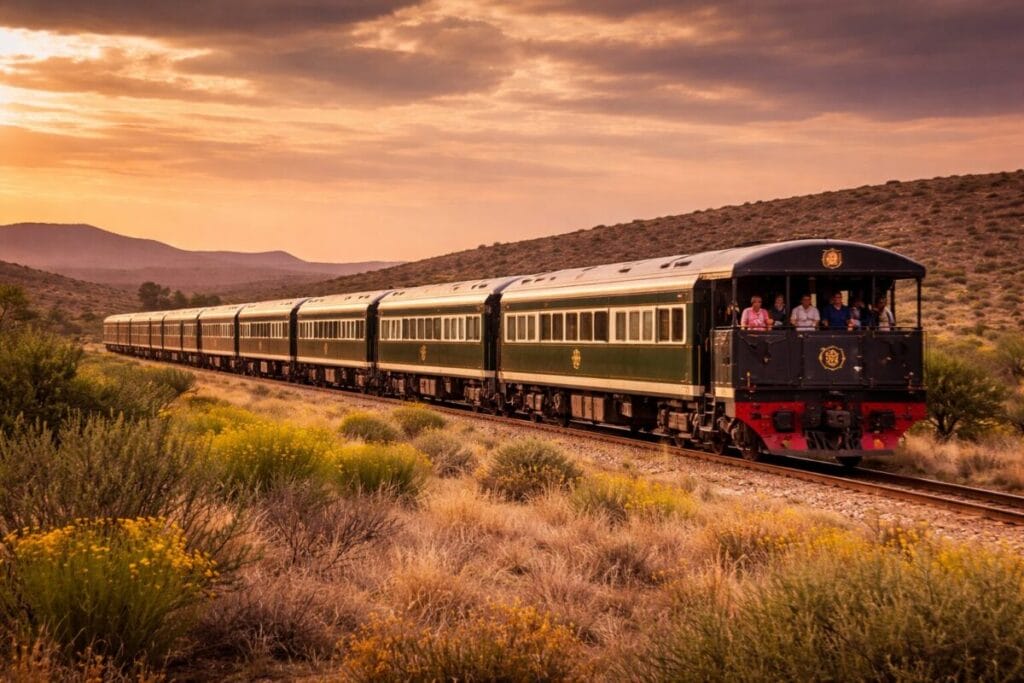
Rovos Rail is widely regarded as one of Africa’s most prestigious luxury rail operators, offering multi-day journeys across Southern Africa’s most scenic landscapes. Since its establishment, the company has become synonymous with elegant rail travel, combining historic train carriages with modern comfort and exceptional service.
The company’s itineraries typically pass through destinations in South Africa, Namibia, Zimbabwe, Tanzania, and other parts of the region. Travelers aboard Rovos Rail experience an immersive journey that blends culture, wildlife, and heritage while traveling across vast and dramatic landscapes.
Because of its reputation for high-quality service and attention to detail, the brand has attracted international tourists seeking unique travel experiences that combine adventure with luxury.
The recent accident therefore represents not only a tragedy for the individuals involved but also a deeply emotional moment for the wider tourism community that has long supported and celebrated the iconic rail operator.
Passenger Safety Remains a Top Priority
Although the accident has cast a shadow over the sector, tourism authorities have reiterated that passenger safety remains at the core of travel operations throughout the region. Luxury rail operators such as Rovos Rail maintain strict operational procedures designed to protect passengers and crew throughout long-distance journeys.
In this case, swift action by railway staff and emergency responders ensured that passengers on board were accounted for and cared for following the incident. Authorities have praised the coordinated response that helped maintain calm and order during a difficult situation.
Safety protocols in rail tourism typically include rigorous technical inspections, professional training for crew members, and constant monitoring of railway infrastructure. These measures are designed to minimize risks and maintain safe operations even on long routes that pass through remote areas.
The Importance of Safety in the Tourism Industry
The tragedy has renewed conversations within the tourism industry about the importance of continuous safety improvements across all travel sectors. Whether in aviation, maritime tourism, rail travel, or road transportation, maintaining high safety standards is essential for protecting travelers and sustaining confidence in global tourism.
Industry experts emphasize that safety management must be an ongoing process that involves regular reviews of equipment, infrastructure, and training procedures. Travel operators are encouraged to adopt modern technologies and monitoring systems that can help identify potential risks before they escalate.
Staff training also plays a critical role. Employees must be prepared to respond quickly and effectively in emergency situations to ensure passenger well-being.
For tourism authorities and operators alike, maintaining a strong culture of safety is fundamental to the long-term sustainability of the travel industry.
Southern Africa’s Tourism Sector Remains Resilient
Despite the tragic event, tourism leaders across Southern Africa have reaffirmed their commitment to building a resilient and responsible tourism sector. The region continues to attract travelers from around the world who are drawn to its natural beauty, wildlife experiences, and rich cultural heritage.
Luxury rail journeys are an important part of this tourism offering. They allow visitors to explore remote landscapes while enjoying a slower, immersive style of travel that is becoming increasingly popular among global tourists.
Destinations such as Namibia, South Africa, Botswana, and Zimbabwe remain among Africa’s most sought-after travel experiences. Tourists visiting the region often combine rail journeys with safaris, cultural excursions, and visits to iconic landmarks.
Industry stakeholders believe that maintaining high safety standards and transparent communication will help preserve traveler confidence and support the continued growth of the tourism sector.
Strengthening Safety Standards Across Travel Services
In response to incidents such as this, tourism organizations often work with transport authorities to review operational procedures and identify areas where safety protocols can be strengthened.
Railway operators, infrastructure authorities, and tourism bodies frequently collaborate to implement new technologies, improve monitoring systems, and enhance training programs. These improvements help ensure that both passengers and travel professionals remain protected.
Government agencies also play a key role in regulating transportation safety and maintaining railway infrastructure. Through inspections, safety audits, and compliance requirements, authorities help ensure that tourism-related transport services operate at the highest possible standards.
These collaborative efforts form the foundation of a responsible tourism industry that prioritizes the well-being of everyone involved in travel experiences.
Supporting Families and the Tourism Community
South African Tourism’s statement emphasized solidarity with the families of those who lost their lives in the accident. The organization also acknowledged the emotional impact of the tragedy on railway workers, tourism professionals, and passengers.
The tourism community in Southern Africa is closely connected, and incidents like this are felt deeply across the industry. Expressions of support from tourism organizations and government bodies reflect a shared commitment to compassion and cooperation during difficult times.
Industry leaders have stressed that honoring those affected by the tragedy also means strengthening safety measures and continuing to promote responsible travel practices.
Looking Ahead for African Rail Tourism
Luxury rail travel remains one of the most distinctive tourism experiences available in Africa. Operators such as Rovos Rail have played a major role in showcasing the continent’s landscapes and cultural heritage to international audiences.
As investigations into the Namibia incident continue, the tourism sector will focus on learning from the event and reinforcing safety measures wherever possible.
At the same time, the resilience of Africa’s tourism industry remains evident. Tourism authorities, transport operators, and hospitality providers are working together to ensure that travelers can continue to explore the region safely and confidently.
Through stronger safety frameworks, ongoing industry collaboration, and respect for those affected by the tragedy, Southern Africa’s tourism sector aims to move forward while preserving its reputation for world-class travel experiences.
For more travel news like this, keep reading Global Travel Wire