India’s aviation sector is adapting rapidly to a changing geopolitical environment as airspace restrictions across parts of the Middle East force airlines to redesign international flight routes. The Ministry of Civil Aviation is closely monitoring the evolving situation and coordinating with global aviation authorities to ensure that flights remain safe while international connectivity continues uninterrupted.
As tensions in certain areas of the Middle East have resulted in the temporary closure or restriction of key air corridors, Indian authorities have implemented contingency measures that allow airlines to bypass potentially unsafe zones. These strategic adjustments aim to protect passengers and crew while maintaining the steady flow of international travel between India and destinations across Europe, North America, and the Gulf region.
Officials say the situation is being monitored continuously, with flight planning and risk assessments updated regularly to reflect changes in the regional security environment.
Government Monitoring and Aviation Coordination
The Ministry of Civil Aviation is maintaining close oversight of the airspace situation in coordination with other government agencies and international aviation bodies. The Ministry of External Affairs is also involved in assessing geopolitical developments that may influence air travel routes.
Airspace over several territories in the Middle East has been restricted due to escalating regional tensions. As a result, aviation authorities in India have had to quickly reassess traditional flight corridors used by commercial aircraft traveling between Asia, Europe, and North America.
Indian regulators are working closely with air navigation service providers, international civil aviation organizations, and regional air traffic control authorities to ensure that alternative flight paths remain safe and operational.
Through these coordinated efforts, authorities aim to reduce disruptions while ensuring that Indian airlines continue to operate in compliance with global aviation safety standards.
Airlines Implement Alternative Flight Paths
To avoid restricted airspace, Indian carriers are using carefully planned alternate routes that steer aircraft away from sensitive zones. Flights that previously crossed parts of the Middle East are now being rerouted through northern or southern corridors depending on the final destination.
These adjustments require detailed planning by airline operations teams. Flight dispatch departments must recalculate navigation plans, fuel requirements, and estimated arrival times for each journey.
While the new routes are slightly longer than traditional paths, they allow airlines to maintain international schedules while ensuring maximum safety. Aircraft are also being monitored closely by air traffic control authorities across multiple regions to manage the increased traffic on alternate corridors.
Although longer routes may increase travel times and operational costs, aviation officials emphasize that passenger safety remains the primary priority.
Impact on Indian Airlines and Global Routes
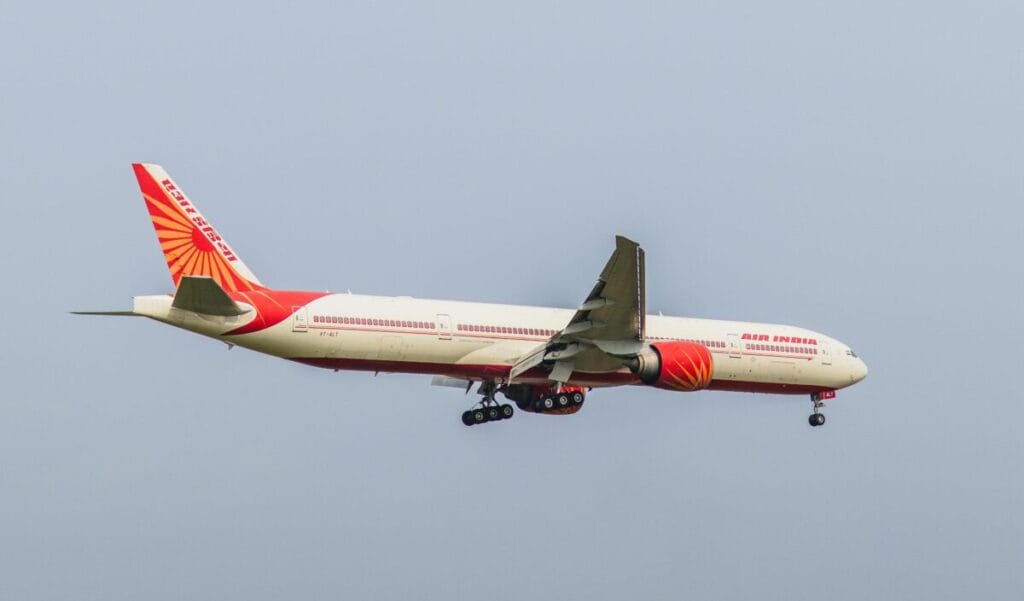
Indian airlines operating long-haul flights have been adjusting schedules to accommodate the new routing requirements. Carriers such as Air India and other international operators are carefully planning routes for flights to Europe and North America to avoid restricted areas.
Some services to destinations located closer to conflict zones have been temporarily suspended or reduced until conditions stabilize. For example, certain flights to cities in the Middle East have been modified or paused depending on the level of risk associated with the surrounding airspace.
However, most long-haul flights connecting India with Europe, the United Kingdom, and North America are continuing to operate with adjusted routes.
Passengers traveling on these services may experience slightly longer flight durations due to detours around restricted zones. Airlines are informing travelers of these adjustments and providing updates through official communication channels.
Despite these operational challenges, Indian airlines have been able to maintain a large portion of their international schedules.
Economic and Operational Challenges
Rerouting flights around restricted airspace creates additional logistical and economic considerations for airlines. Longer travel distances require more fuel and may increase crew working hours, which can impact overall operational costs.
Airlines must also coordinate new flight plans with airports along alternate corridors to ensure sufficient air traffic capacity. Increased aircraft movements along these routes require precise coordination between multiple international air traffic control systems.
Ground operations at airports may also be affected, as longer flights require revised turnaround schedules, refueling plans, and crew rotations.
To help manage these changes, aviation authorities have introduced flexible regulatory measures allowing airlines to quickly file updated flight plans and adjust schedules when necessary.
Industry experts note that while the operational costs may rise temporarily, maintaining safe international connectivity is essential for economic stability and global travel networks.
Safety Protocols Remain the Highest Priority
Safety remains the central focus of India’s aviation response to the evolving Middle East airspace situation. Aviation regulators, including the Directorate General of Civil Aviation, are conducting continuous risk assessments to evaluate the safety of routes near restricted regions.
Advanced monitoring technologies and real-time communication systems are being used to track aircraft movements and ensure that pilots receive updated navigation information throughout each flight.
Airlines are also working closely with international aviation authorities to ensure compliance with global safety standards when using alternative routes.
Risk evaluation reports are reviewed regularly, allowing authorities to make quick decisions about route adjustments or temporary suspensions if required.
By maintaining strict adherence to safety guidelines, India’s aviation sector aims to ensure that passengers continue to travel with confidence despite the challenging circumstances.
Importance of Maintaining Global Connectivity
India’s aviation network plays a crucial role in connecting the country to international destinations across multiple continents. Millions of passengers travel between India and global cities every year for tourism, business, education, and employment.
Maintaining these connections is essential not only for travelers but also for trade, economic activity, and diplomatic relations.
The government’s decision to implement alternative flight corridors ensures that international travel continues even when traditional air routes become temporarily unavailable.
Airlines and regulators have demonstrated the ability to respond quickly to global events by adapting operations while maintaining high safety standards.
Looking Ahead: Resilience in the Aviation Sector
The current adjustments to flight routes highlight the resilience and adaptability of India’s aviation industry. As geopolitical conditions evolve, authorities remain prepared to make further operational changes if required.
Lessons learned from managing these disruptions are likely to influence future contingency planning for airlines and regulators alike. Enhanced coordination between government agencies, international aviation organizations, and airline operators will remain critical in addressing similar challenges in the future.
For passengers, the continued operation of international flights demonstrates the strength of India’s aviation infrastructure and its ability to respond to global uncertainties.
Despite the complexities posed by airspace restrictions, India’s aviation sector remains committed to maintaining safe, reliable, and efficient international travel while safeguarding passengers and airline crews.
For more travel news like this, keep reading Global Travel Wire