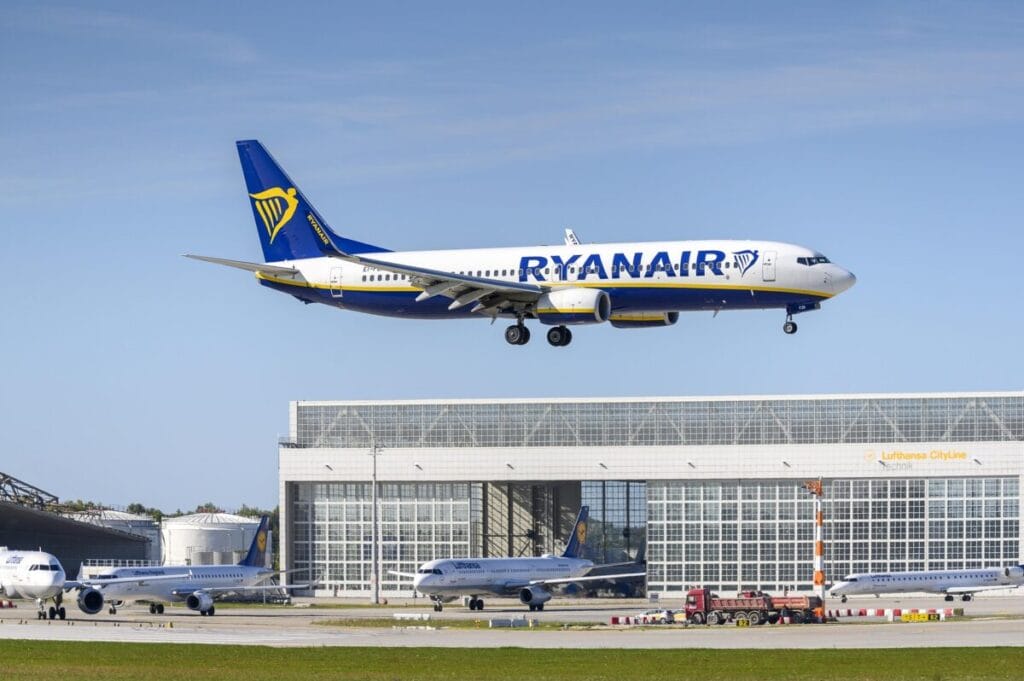
Europe’s aviation sector is experiencing a strong resurgence in 2026, with Ryanair reporting significant growth in passenger traffic during February. The increase highlights the ongoing recovery of the European travel industry and reflects the rising demand for affordable air travel across the continent. As one of the largest low-cost airlines in Europe, Ryanair continues to play a major role in shaping travel trends and expanding connectivity across key destinations.
Rising Passenger Demand Signals Travel Recovery
Passenger numbers for February 2026 showed notable year-on-year growth, demonstrating the strong momentum of European air travel. The airline transported millions of travelers during the month, reflecting increased demand for both leisure and short-haul international trips.
The steady rise in passenger traffic suggests that travelers across Europe are once again embracing air travel after years of disruption caused by global health restrictions and economic uncertainty. Popular destinations across southern and eastern Europe have seen particularly strong interest, as travelers look for affordable holiday options and convenient connections.
Industry analysts believe the growth also reflects shifting travel habits. Many passengers are choosing short-haul flights for weekend breaks and city visits, a trend that benefits airlines with extensive route networks and competitive pricing strategies.
Expansion of Routes Strengthens Market Presence
A key factor behind Ryanair’s improved traffic performance is its continued expansion across the European aviation market. The airline has introduced several new routes in early 2026, connecting emerging destinations and underserved regions with major European cities.
New flights linking eastern European destinations with Mediterranean holiday hubs have opened additional travel opportunities for tourists. These routes are designed to capture demand from both leisure travelers seeking beach destinations and budget-conscious tourists looking for affordable travel options.
The airline’s network now covers hundreds of destinations across Europe and nearby regions, making it one of the most comprehensive low-cost route systems on the continent. By expanding into new markets while strengthening existing ones, Ryanair aims to maintain its competitive advantage in the rapidly evolving aviation sector.
Fleet Modernization Supports Growth
Another major driver of Ryanair’s success is its ongoing fleet modernization strategy. The airline has been gradually introducing new, more fuel-efficient aircraft designed to reduce fuel consumption and operating costs while increasing passenger capacity.
These next-generation aircraft also help lower carbon emissions per passenger, supporting broader environmental goals within the aviation industry. As sustainability becomes an increasingly important focus for airlines and regulators across Europe, fleet upgrades are playing a crucial role in improving operational efficiency.
The addition of modern aircraft allows the airline to expand services while maintaining its low-fare model. Lower fuel consumption and improved operational efficiency help offset rising operational costs, including fuel prices and airport charges.
Strong Demand for Budget Travel
The success of low-cost airlines in Europe continues to be driven by travelers seeking affordable flight options. Ryanair’s business model focuses on offering competitively priced fares while generating additional revenue through services such as baggage options, seat selection, and onboard purchases.
This approach has proven particularly resilient during periods of economic uncertainty. Many travelers are prioritizing cost-effective travel solutions, making low-cost carriers increasingly attractive for both leisure and business trips.
The popularity of budget airlines has also encouraged more people to travel frequently. Short city breaks, weekend getaways, and flexible travel planning have become common among European travelers, contributing to the continued growth of the sector.
Positive Outlook for Financial Performance
The surge in passenger traffic during February is expected to support Ryanair’s financial performance in the first quarter of 2026. Higher passenger volumes typically lead to stronger ticket sales and increased ancillary revenue, which are essential components of the airline’s business model.
With strong load factors and rising demand for travel across Europe, the airline is likely to see continued revenue growth in the coming months. The broader recovery of the tourism industry, combined with stable consumer demand, is expected to support further expansion within the aviation sector.
Economic Recovery Boosting Aviation Sector
Europe’s improving economic environment is also contributing to the growth of air travel. After several challenging years influenced by global disruptions, the region’s tourism and travel industries are showing clear signs of recovery.
Governments and tourism authorities across Europe have also been investing in infrastructure improvements, airport modernization, and tourism promotion campaigns aimed at attracting international visitors. These efforts have helped stimulate travel demand and strengthen the region’s aviation network.
However, the industry still faces challenges, including fluctuating fuel prices, operational costs, and labor negotiations. Airlines must carefully manage these factors while maintaining competitive pricing and service quality.
Future Growth and Market Leadership
Looking ahead, Ryanair remains well positioned to continue expanding within the European aviation market. The airline’s strategy focuses on increasing route connectivity, maintaining cost efficiency, and investing in modern aircraft technology.
Demand for both leisure and business travel is expected to remain strong throughout 2026, particularly as travelers seek flexible and affordable travel options. With its extensive route network and established brand presence, the airline is likely to maintain a leading role in Europe’s low-cost aviation segment.
Conclusion
Ryanair’s strong passenger traffic growth in February 2026 reflects the broader recovery of European air travel and the increasing popularity of low-cost flights. Expanding routes, modern aircraft, and strong demand for affordable travel have positioned the airline for continued success.
As tourism across Europe continues to rebound and travel demand rises, Ryanair’s strategic expansion and efficient operations are expected to keep the airline at the forefront of the continent’s aviation industry in the years ahead.
For more travel news like this, keep reading Global Travel Wire