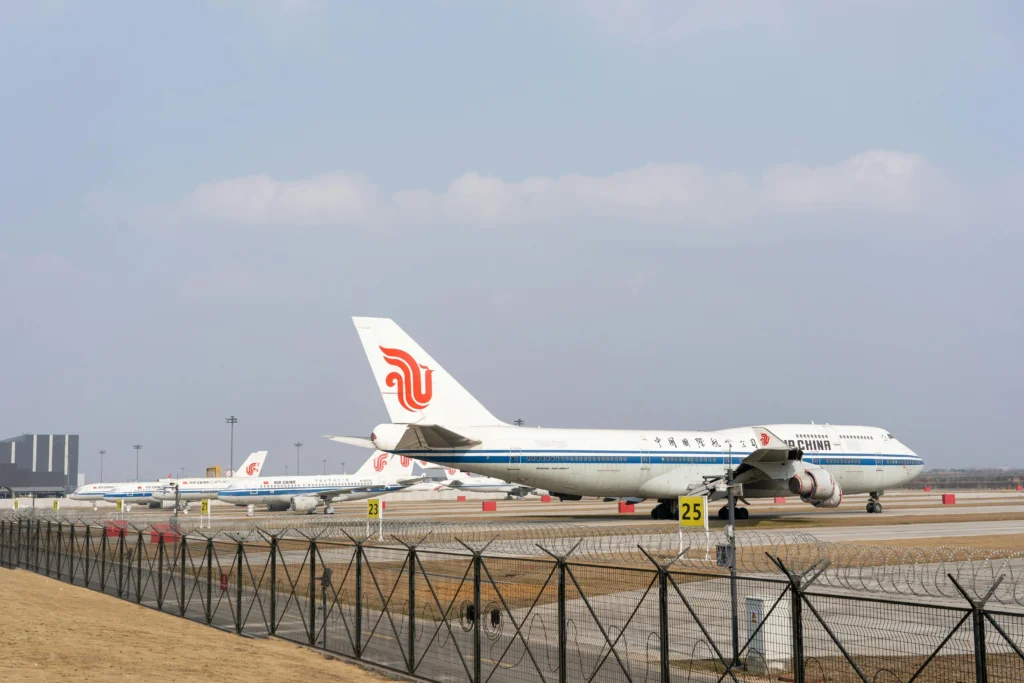
Civil Aviation Administration of China has reported a significant change in international travel patterns during the first quarter of 2026, with passenger traffic on West Asia routes declining while demand for Central Asia and Europe routes rises sharply. The trend reflects how global travel demand is adapting to changing market conditions, route economics, and traveler preferences.
For tourism markets, this shift is highly important. China remains one of the world’s largest outbound travel markets, and any change in Chinese aviation demand can influence hotels, airlines, tour operators, and destinations across multiple continents.
As Chinese carriers deploy more capacity to Europe, Central Asia, Africa, Southeast Asia, South Asia, Oceania, and Latin America, the global tourism map is evolving once again.
International Aviation Growth Remains Strong
Despite route adjustments in some regions, China’s international aviation sector continues to expand. Official first-quarter figures show year-on-year growth of 10 percent in international passenger traffic and 17.6 percent in international cargo traffic.
International routes recorded 16.41 billion ton-kilometers during the quarter, while the share of international transport in total aviation activity rose to 38.3 percent.
These numbers indicate that demand for overseas travel remains resilient. Instead of shrinking, passenger flows are being redirected toward stronger-performing markets.
For travelers, this often means more flights on popular routes and better opportunities to reach high-demand destinations.
Europe Emerges as a Strong Winner
Europe is one of the biggest beneficiaries of the current trend. Rising demand from Chinese passengers can support airline expansion, stronger seasonal schedules, and improved tourism revenue for major European cities and leisure destinations.
Popular gateways such as Paris, London, Rome, and Barcelona may benefit from stronger long-haul bookings as airlines increase capacity on westbound routes.
Chinese visitors are an important market for shopping tourism, cultural travel, luxury hospitality, group tours, and premium air travel. Additional seat capacity can help destinations capture more demand in 2026.
Central Asia Gains New Momentum
Another standout winner is Central Asia. Increased passenger volumes and stronger load factors on routes from China to Central Asia show growing interest in nearby emerging destinations.
Countries in the region are becoming more visible for cultural tourism, Silk Road heritage, mountain adventure, business travel, and cross-border trade links.
Cities such as Almaty, Tashkent, and Bishkek are increasingly attractive to travelers seeking new experiences beyond traditional mass tourism markets.
Improved air links can accelerate hotel investment, tourism partnerships, and multi-country itineraries across the region.
Xinjiang Becomes a Strategic Gateway
A notable development is the launch of a new branch operation by China Eastern Airlines in Urumqi. The move is aimed at exploring and expanding international routes from Xinjiang to Central and West Asia.
Urumqi’s location gives it strong potential as a connecting point between China and neighboring regions. Enhanced connectivity from western China can shorten travel times and open new tourism opportunities for secondary cities.
This strategy also supports broader regional development through transport and travel integration.
Why Some Routes Are Being Reduced
Authorities and industry representatives have emphasized that flight reductions on certain international routes are market-based adjustments rather than broad suspensions.
The main reasons include:
- High international jet fuel prices
- Tight fuel supply at some airports
- Weak seasonal demand on selected routes
- Low booking levels on niche leisure services
- Capacity optimization by airlines
Some routes in Southeast Asia, Oceania, and lower-density markets have seen weaker demand during the current travel season. Airlines often shift aircraft to routes with stronger bookings and better profitability.
This is a normal part of commercial aviation strategy, especially during changing global conditions.
What It Means for Tourism in 2026
The current aviation shift highlights an important reality: tourism demand is dynamic. Travelers respond quickly to pricing, convenience, confidence, and available routes.
For destinations in Europe and Central Asia, stronger Chinese connectivity can mean:
- Higher hotel occupancy
- Increased retail spending
- More group and independent tours
- Stronger airline partnerships
- Better year-round visibility in the Chinese market
For destinations seeing temporary capacity reductions, recovery opportunities may return during future peak seasons when demand strengthens.
Advice for Travelers
Passengers planning international trips from China should remain flexible and informed as airline schedules continue to evolve.
Smart Travel Tips
- Book early on high-demand Europe routes
- Check updated schedules before departure
- Compare multiple gateway cities for better fares
- Monitor baggage and transit rules
- Consider emerging Central Asia destinations for new experiences
Travelers willing to adapt can often find excellent opportunities in changing markets.
Frequently Asked Questions
Is China reducing international flights overall?
No. International traffic is still growing, with airlines reallocating capacity to stronger-performing routes.
Which regions are seeing stronger demand?
Europe and Central Asia are among the key growth markets.
Why are some routes being cut?
Main reasons include fuel costs, lower demand, and commercial route planning.
Is this good for tourism?
Yes. Growing capacity in popular regions can boost visitor arrivals and travel choices.
Final Takeaway
China’s latest aviation data shows that global travel demand is not slowing—it is shifting. As West Asia routes soften, Europe and Central Asia are gaining momentum through stronger passenger demand and increased airline capacity. For the tourism industry, this creates fresh opportunities, new travel patterns, and expanded access to destinations ready to welcome Chinese travelers in 2026.