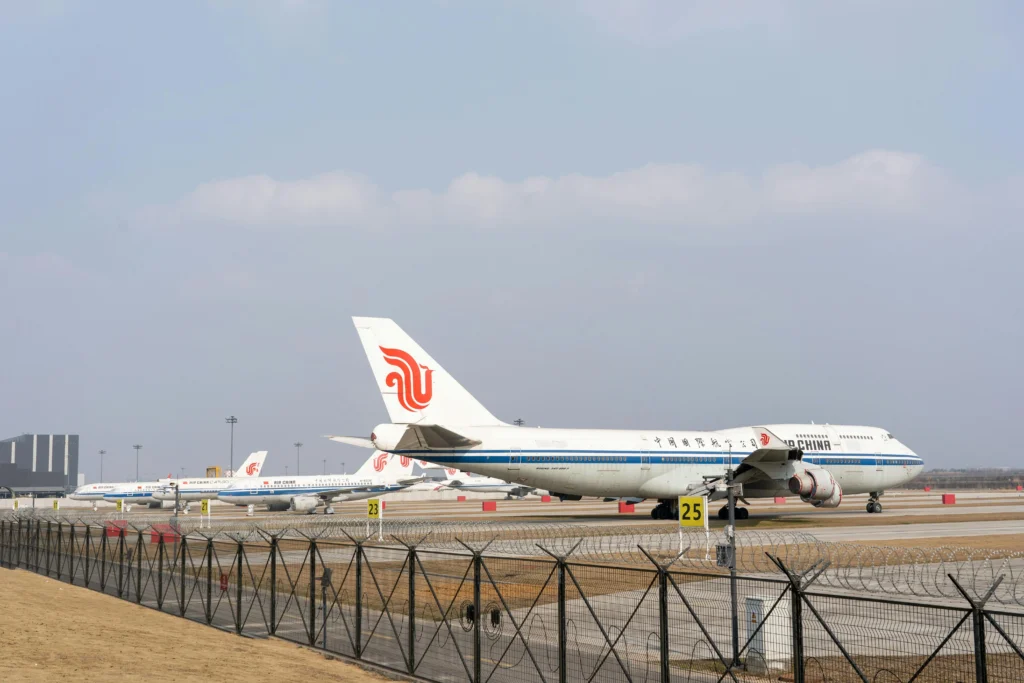
Travelers across East Asia are being advised to exercise patience and thorough planning this week as the Chinese aviation sector navigates a complex series of flight cancellations and significant delays. Official data from civil aviation authorities and major national carriers indicate that the disruptions, which reached a peak on April 19, 2026, have affected thousands of passengers across the country’s most vital transport corridors. From the bustling terminals of Shanghai to the administrative heart of Beijing, the current situation underscores the sensitivity of modern air travel to meteorological and logistical variables.
According to official flight tracking statistics provided by regional airport authorities, several of the nation’s premier carriers, including Air China, China Eastern, Chengdu Airlines, and China Express, were forced to adjust their schedules significantly. On a single day of peak disruption, reports confirmed that over 261 flights were canceled nationwide, while more than 2,500 operations experienced delays. These figures represent a substantial portion of the daily air traffic, impacting both domestic travelers and those connecting to international destinations.
Impact on Major Global Hubs and Regional Gateways
The concentration of these delays has been most pronounced in China’s tier-one cities, which serve as the primary engines for the nation’s tourism and business sectors. Shanghai, a global financial center and a major port of entry for international visitors, saw its two primary gateways—Pudong International Airport and Hongqiao International Airport—heavily affected. Official airport logs indicated nearly 20 cancellations and over 200 delays at these facilities alone on the 19th.
Similarly, Beijing’s aviation hubs recorded nearly 20 cancellations and over 180 delays. Other cities experiencing high levels of disruption include Shenzhen and Guangzhou in the south, as well as Qiemo in the northwest. Because these cities function as massive transit points for China tourism, the ripple effects of a single day’s disruption can often be felt across the entire regional network for several days following the initial event.
Understanding the Drivers of the Current Disruption
Official statements from civil aviation bureaus attribute the bulk of these challenges to inclement weather conditions. Spring in various parts of China can bring unpredictable atmospheric shifts, including heavy rainfall and reduced visibility, which necessitate strict adherence to safety protocols. When weather patterns prevent safe take-offs or landings, air traffic control must implement flow control measures, which naturally lead to a backlog of scheduled flights.
Beyond the weather, operational and logistical factors are also at play. The global aviation industry remains sensitive to supply chain stability, and recent ministry-level discussions have noted that regional energy fluctuations can occasionally impact the availability of resources required for high-frequency flight schedules. For international routes, particularly those connecting China to Southeast Asia, these logistical constraints have necessitated a more conservative approach to scheduling to ensure that safety and resource management remain paramount.
A Strategic Guide for Travelers Navigating Disruptions
For those currently engaged in or planning a trip within the region, official tourism boards and aviation authorities have issued several recommendations to minimize the impact on personal itineraries. The primary advice is one of proactive verification. Passengers holding confirmed tickets are strongly urged to verify the real-time status of their flights through official airline apps, websites, or customer service portals before departing for the airport.
In instances where travel is not time-sensitive, authorities suggest considering a shift in travel dates to avoid peak periods of congestion caused by the current backlog. For domestic travel within the mainland, China’s extensive and world-renowned high-speed rail network offers a highly reliable and efficient alternative. The Ministry of Transport has highlighted the capacity of the rail system to absorb additional passenger volume during aviation bottlenecks, offering a seamless way to move between major cities like Beijing, Shanghai, and Guangzhou.
Rights and Connectivity in the Modern Era
Passengers facing significant delays are also encouraged to familiarize themselves with the official compensation and assistance policies of their respective carriers. Under the guidelines of the Civil Aviation Administration of China (CAAC), airlines are required to provide specific levels of care and information during prolonged delays, including meals, communication facilities, and, in certain cases, accommodation.
The current situation is viewed by industry analysts as a temporary challenge within a broader period of growth for the sector. Despite these short-term hurdles, China’s tourism infrastructure continues to expand, with new airports and enhanced service protocols being rolled out nationwide. The resilience of the transport network is expected to shine through as weather conditions stabilize and logistical flows return to their standard efficiency.
As the situation evolves, travelers are reminded that official government and airline channels remain the most accurate sources of information. By staying informed and remaining flexible, visitors can continue to enjoy the vast cultural and geographic wonders that define the experience of the region. Whether traveling by air or utilizing the high-speed rail, the commitment to safety and passenger well-being remains the top priority for all entities within the national transport framework. Stay tuned to the latest official releases for further updates as the aviation sector works toward a full restoration of normal service levels across the country.
For more travel news like this, keep reading Global Travel Wire