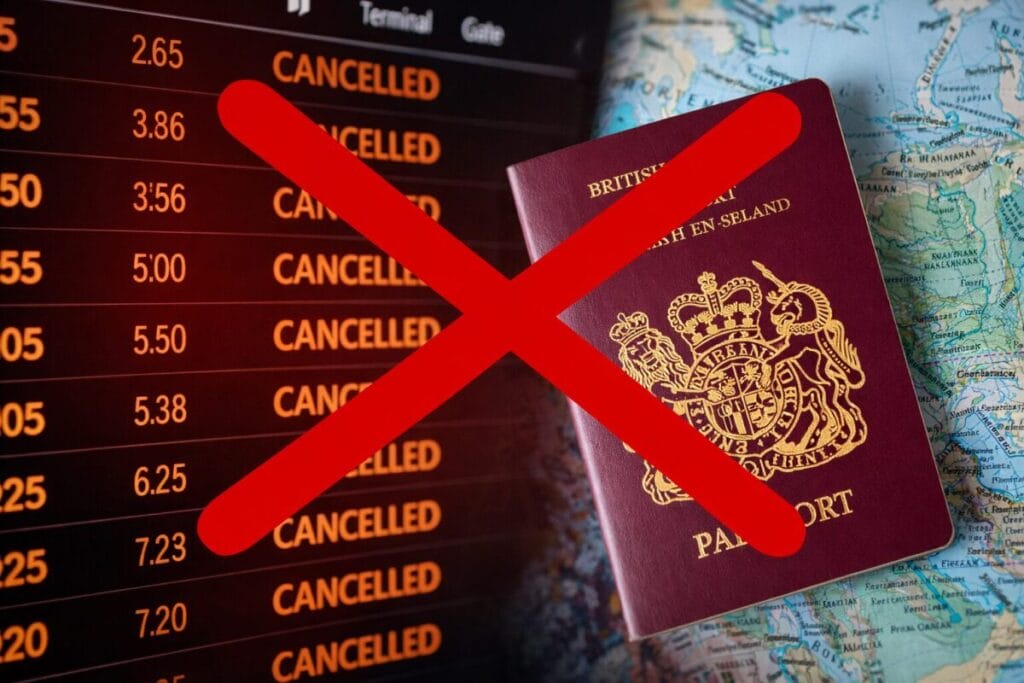
The United Kingdom has issued a major travel warning as geopolitical tensions intensify in several regions. The Foreign, Commonwealth and Development Office has expanded its “Do Not Travel” advisory list.
Officials updated the advisory after rising military tensions in the Middle East. Escalating activity involving the United States, Israel, and Iran prompted urgent safety reviews.
The new warning marks one of the largest travel advisory updates in recent years. Government authorities now advise British citizens to avoid several high-risk destinations.
Travel advisories influence tourism planning, airline operations, and insurance coverage worldwide. The update signals major changes for travelers during 2026.
Twenty-Four Countries Now Appear on the Red List
The updated advisory identifies twenty-four countries under the strictest travel warning category. Officials advise citizens not to visit these locations due to severe security risks.
Countries in the Middle East and North Africa remain the primary concern. Iran, Iraq, Lebanon, Syria, Yemen, and Israel appear on the list due to active conflict risks.
Government officials warn about military activity and terrorism threats in these areas. Embassy support may also remain limited in several locations.
Libya and South Sudan also remain on the warning list due to ongoing political instability.
Several African nations also appear in the advisory. Afghanistan, Mali, Niger, Burkina Faso, and Chad face continuing security challenges.
The advisory also includes Russia and Belarus because of the ongoing conflict linked to Ukraine. Officials warn about possible detention risks for foreign nationals.
Authorities urge travelers already present in these regions to leave while commercial flights remain available.
Travel Insurance Becomes Invalid in Red List Destinations
Travel advisories carry serious financial consequences for travelers. Insurance policies often rely on official government guidance.
Most travel insurance providers void coverage in countries with “Do Not Travel” warnings. Travelers who ignore the advice often lose insurance protection.
Medical emergencies in foreign countries can become extremely expensive. Emergency evacuation alone can cost tens of thousands of dollars.
Travelers who visit restricted regions assume full financial responsibility for emergencies. This includes hospital treatment, transportation, and legal support.
Insurance providers also expect travelers to follow government guidance during emergencies. Travelers should attempt to leave countries immediately after new advisories appear.
Failure to follow official instructions can invalidate coverage entirely.
Global Aviation Routes Face Major Disruptions
Travel warnings also affect airline operations worldwide. Airspace closures across parts of the Middle East have forced airlines to change routes.
Flights that previously crossed Iran and Iraq must now avoid those regions. Airlines must redesign flight paths to maintain passenger safety.
These detours increase travel distances and flight durations. Many long-haul routes now require additional fuel and time.
Flights between Europe and Asia have experienced some of the largest disruptions. Routes to destinations such as Thailand and Australia now travel through alternative corridors.
Aviation analysts report that new routes may add two to five hours to certain flights.
Airlines Introduce Technical Stops and Route Adjustments
Some aircraft cannot complete longer detour routes without refueling. Airlines now schedule technical stops on certain long-distance flights.
Passengers may experience additional airport stops during journeys. These stops help aircraft refuel and maintain safe operating limits.
Longer routes also increase operational costs for airlines. Higher fuel consumption contributes to rising ticket prices.
Airlines must balance safety requirements with operational efficiency. Many companies continue adjusting schedules as geopolitical conditions evolve.
Air travel remains possible across most global routes, but travelers may experience delays and changes.
Tourism Industry Responds to Global Safety Concerns
Tourism organizations continue monitoring the situation closely. Travel agencies advise clients to review government advisories regularly.
Safety concerns influence traveler decisions and destination choices. Many tourists now prioritize countries with stable political conditions.
Destinations in Europe, Southeast Asia, and the Americas continue welcoming international visitors. Tourism authorities emphasize safety and responsible travel planning.
The tourism industry remains resilient despite global uncertainty. Many destinations continue promoting travel experiences and cultural tourism.
However, travelers must remain aware of changing geopolitical developments.
The Importance of Checking Travel Advice Before Departure
Government officials now encourage travelers to follow the “48-hour rule.” This recommendation suggests checking travel advice shortly before departure.
Travel conditions can change rapidly during international crises. Political tensions or security incidents may alter travel advisories within hours.
Travelers should review official government guidance before booking flights or accommodations. Updated information helps travelers make informed decisions.
Travel experts also recommend registering with embassy services when visiting foreign countries. Registration allows governments to contact citizens during emergencies.
Prepared travelers can respond quickly if conditions change abroad.
Travelers Seek Safer Destinations in 2026
Global tourism trends now reflect increasing safety awareness among travelers. Many tourists prefer destinations known for political stability.
Countries with strong tourism infrastructure often attract visitors during uncertain periods. Destinations such as Japan, Thailand, Spain, and Canada continue reporting strong tourism demand.
Tour operators encourage travelers to consider flexible booking options. Flexible reservations allow travelers to change plans if advisories change.
Travel insurance with emergency evacuation coverage also remains important. Travelers should review policy details carefully before departure.
Responsible travel planning helps reduce risks during international trips.
Tourism Communities Feel the Impact of Travel Restrictions
Travel advisories affect more than just tourists. Local communities in restricted regions often rely heavily on tourism income.
Hotels, tour operators, and local businesses depend on international visitors. Travel restrictions can reduce tourism revenue significantly.
Cultural destinations and historic landmarks may experience fewer visitors during conflicts. Local economies often face financial challenges during such periods.
Tourism experts emphasize the importance of long-term recovery strategies. Once conditions improve, tourism often returns gradually.
Travel remains a vital connection between cultures around the world.
A Changing Global Travel Landscape
The 2026 travel warning highlights how quickly global travel conditions can change. Security concerns now influence tourism decisions more than ever.
Governments continue monitoring geopolitical developments closely. Travel advisories will likely evolve as global conditions shift.
Tourists still have access to many safe and welcoming destinations worldwide. Responsible planning helps travelers navigate the modern travel environment.
Travel continues to inspire curiosity, cultural exchange, and exploration. However, travelers must balance adventure with awareness and caution.
The latest FCDO warning reminds travelers that safety must remain the top priority in today’s global tourism landscape.
For more travel news like this, keep reading Global Travel Wire