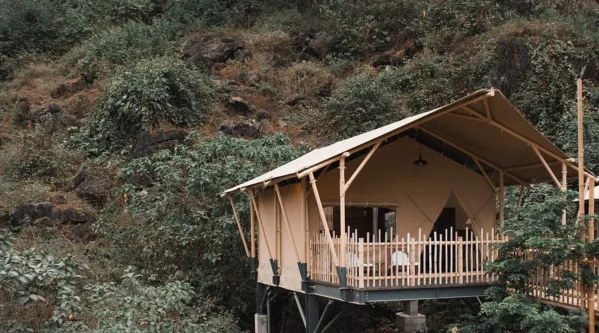
Auko Eco-Wellness Lodges has earned two hospitality design honours, bringing fresh attention to Vietnam’s nature-based accommodation sector. The Phong Nha retreat received recognition within approximately three months of opening on 20 July 2026.
The property secured Gold in Sustainable Hospitality Space at the VMARK Hospitality and F&B Excellence Awards 2026. It also reported receiving the HICAP Sustainable Hotel Award for Sustainable Design.
Developed by Van Phu Real Estate Development JSC and operated by Lumina Wellbeing, Auko features 30 tented lodges. Its riverside concept combines wellness experiences, resource-efficient construction and architecture designed around seasonal flooding.
For Phong Nha, the opening broadens accommodation choices beyond the destination’s established cave exploration and adventure travel offerings.
Riverside Architecture Responds to the Landscape
Situated beside the Son River in Quang Tri province, Auko takes its design direction from the surrounding landscape.
Small accommodation clusters sit among vegetation, connected by elevated bamboo pathways. Reclaimed timber, ventilated platforms and indigenous planting help integrate the development with its setting.
Inside, the lodges offer luxury bedding, open-air bathtubs, minibars and tea and coffee facilities. The arrangement combines outdoor immersion with familiar resort comforts.
This smaller-scale accommodation format gives visitors another way to experience Phong Nha’s rivers, forests and limestone scenery.
However, proximity to these natural attractions also makes responsible site management an important part of the property’s long-term operation.
Flood-Conscious Design Addresses Seasonal Conditions
Seasonal flooding influenced the retreat’s architectural approach, particularly its raised walkways and accommodation platforms.
The property describes its design as aligned with the International Finance Corporation’s Building Resilience Index framework. Historical flood conditions informed the elevated connections between different areas.
These features connect climate adaptation with the practical requirements of running a riverside hospitality business.
Nevertheless, flood-conscious construction cannot guarantee uninterrupted access during every extreme weather event. Guests planning monsoon-season stays should confirm travel conditions and activity arrangements.
The approach highlights a broader consideration for tourism development: buildings must respond to local environmental risks throughout their operating lives.
Resource Efficiency Adds Measurable Detail
Auko reports EDGE Advanced certification, covering building resource efficiency through an International Finance Corporation-developed framework.
Its published comparisons indicate modelled energy savings of 65%, water savings of 47% and material embodied-energy savings of 56%.
These figures compare the development with conventional building benchmarks. They do not represent a completed year of measured operating results.
Solar generation also forms part of the environmental programme, alongside refillable amenities and recycling arrangements.
Because Auko opened in July, it had not completed its first operating year by early November 2026.
Future consumption data will help show how its building design performs under actual occupancy, weather and management conditions.
Wellness Experiences Expand the Visitor Offering
Lumina Wellbeing has developed experiences around relaxation, movement and the retreat’s natural surroundings.
Facilities include a communal Rhassoul clay cave, forest showers, cool plunges and spaces for meditation. An open-air Sky Studio accommodates yoga, breathing and movement sessions.
River boating, cycling and outdoor exploration add an active dimension to the stay.
This combination could appeal to visitors seeking quieter experiences alongside Phong Nha’s adventure activities. It also creates opportunities to combine accommodation, dining and wellness within one itinerary.
Guests should check individual package inclusions, activity availability and accessibility before booking, particularly where natural terrain influences the experience.
Dining and Community Shape the Stay
Origin Restaurant anchors Auko’s dining concept, drawing on seasonal produce and flavours associated with Central Vietnam.
Herbs, river fish and regional ingredients connect meals with the destination. However, the available information does not quantify local sourcing.
The property also identifies local recruitment, training and cultural preservation within its sustainability commitments.
These activities could create opportunities for nearby communities through hospitality employment and supplier relationships. Published figures establishing job creation or community procurement spending were not provided.
Consequently, the economic value of these commitments will become clearer through continued operations and documented results.
Design Recognition Opens a Longer-Term Test
Auko’s awards increase visibility for a retreat combining tented accommodation, climate adaptation and wellness tourism.
They also give Vietnam another hospitality example built around destination characteristics rather than a standard resort format.
For Phong Nha, protecting the surrounding natural environment remains central to the visitor experience. Accommodation growth must work alongside responsible water use, waste management and conservation.
The retreat’s early recognition establishes a promising starting point. Its lasting contribution will depend on measured environmental performance, reliable guest experiences and meaningful participation by surrounding communities.