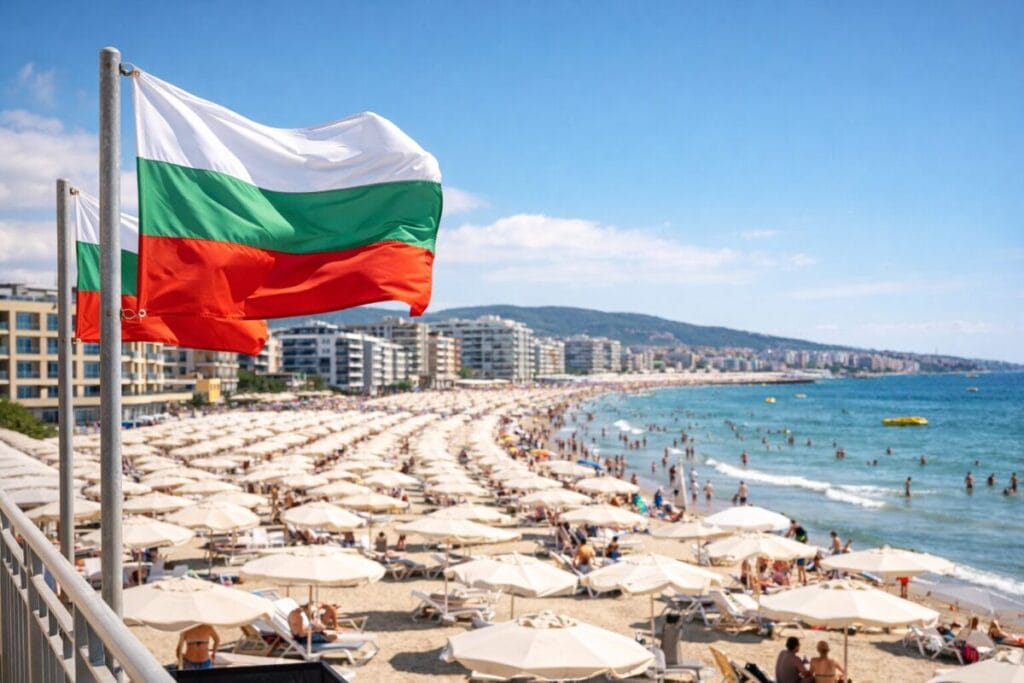
Bulgaria’s tourism industry is confronting a serious economic challenge after more than 70,000 Israeli travelers canceled planned visits due to the escalating conflict in the Middle East. The sudden wave of cancellations has sent shockwaves through the country’s hospitality sector, prompting industry leaders to call for urgent government support to stabilize businesses and prevent large-scale job losses.
Hotels, restaurants, tour operators, and local attractions across several key tourist regions are already feeling the effects of the decline in visitors. Tourism officials warn that if the situation continues, the impact could spread throughout the broader economy, threatening thousands of livelihoods that depend on the tourism industry.
Industry representatives are urging authorities to introduce emergency measures that could help businesses manage the financial fallout and maintain stability during this period of uncertainty.
Flight Disruptions Trigger Large-Scale Trip Cancellations
The tourism downturn follows widespread flight disruptions linked to the ongoing military tensions in the Middle East. Several regional airports have experienced operational interruptions, and restrictions on airspace in parts of the region have led to significant changes in international flight routes.
These disruptions have forced many travelers to cancel or postpone their holiday plans. Israel, traditionally one of Bulgaria’s important tourist markets, has been particularly affected.
Travel companies report that thousands of Israeli visitors who had planned winter vacations or early spring holidays in Bulgaria were unable to travel due to the instability and uncertainty surrounding international flights.
Tour operators say that even travelers who had already booked accommodation, ski packages, and resort stays were forced to cancel their plans because flights were suspended or rerouted.
Resorts and Coastal Destinations Feel the Impact
Some of Bulgaria’s most popular tourist destinations are among the hardest hit by the cancellations. Winter resorts such as Bansko, which attract large numbers of international ski enthusiasts every year, have reported significant declines in expected visitor arrivals.
At the same time, tourism businesses along the northern Black Sea coast are concerned that the downturn could extend into the upcoming summer travel season if the geopolitical situation remains unresolved.
Hotel managers in these regions say that Israeli tourists represent a valuable segment of their international market. The sudden absence of tens of thousands of visitors has left many businesses facing empty rooms and declining reservations.
Restaurants, tour guides, transportation providers, and local entertainment venues also depend heavily on the steady flow of international tourists. When visitor numbers drop sharply, the financial consequences quickly spread throughout the entire tourism ecosystem.
Industry Leaders Call for Immediate Government Support
Faced with mounting losses, representatives from the hospitality sector are calling on the government to introduce targeted financial support programs to protect tourism businesses during the crisis.
Industry associations have urged authorities to provide temporary assistance that could help companies cover operational costs and prevent layoffs among tourism workers.
Many tourism professionals warn that without immediate intervention, some businesses may be forced to reduce staff or suspend operations entirely.
The tourism industry plays a vital role in Bulgaria’s economy, contributing significantly to national income and employment. Protecting the sector during periods of disruption is considered essential to maintaining economic stability.
Government officials are currently evaluating possible measures that could provide relief to affected businesses and support the recovery of the tourism sector.
Domestic Tourism Seen as a Potential Solution
One of the key strategies being discussed to offset the loss of international visitors is the promotion of domestic tourism. Encouraging Bulgarian residents to travel within the country could help compensate for the decline in foreign arrivals.
Industry experts believe that domestic tourism campaigns, special travel offers, and seasonal promotions could encourage local travelers to explore Bulgaria’s resorts, historic towns, and natural attractions.
Such initiatives may help sustain hotels and restaurants until international travel demand returns to normal levels.
Tourism organizations have suggested that incentive programs, discounted travel packages, and national tourism promotions could play an important role in stabilizing the industry during the current downturn.
Israeli Market Plays Major Role in Bulgarian Tourism
Israeli travelers have long been an important contributor to Bulgaria’s tourism sector. Over the past decade, the number of visitors from Israel has steadily increased, supported by direct flight connections and strong cultural and travel ties between the two countries.
Tourists from Israel frequently visit Bulgaria’s ski resorts during the winter season and its Black Sea coastal destinations during the summer months.
Statistics from recent years show that hundreds of thousands of Israeli citizens travel to Bulgaria annually, making the country one of the most popular European destinations for travelers from Israel.
This strong relationship has made the sudden cancellation of tens of thousands of trips particularly damaging for tourism businesses that rely on this market.
Wider Economic Consequences for Tourism Businesses
The financial losses caused by mass cancellations extend far beyond hotels and resorts. The tourism industry supports a wide network of related businesses, including transportation services, tour agencies, cultural attractions, and local retail.
When tourist arrivals decline sharply, these businesses often experience reduced demand, which can lead to revenue losses across entire communities.
Experts warn that if international travel disruptions continue, the effects could influence employment levels and local economies in popular tourist regions.
For many smaller businesses operating in resort areas, even a short period of reduced tourism activity can create significant financial strain.
Outlook for Bulgaria’s Tourism Recovery
Despite the challenges, tourism leaders remain hopeful that Bulgaria’s travel industry will recover once regional stability improves and international flights resume normal operations.
In the meantime, cooperation between government institutions, tourism organizations, and local businesses will be critical to navigating the current crisis.
By focusing on domestic tourism, exploring new international markets, and providing temporary financial support for struggling businesses, Bulgaria may be able to soften the impact of the cancellations and maintain its reputation as a welcoming destination for global travelers.
The coming months will be crucial for the country’s tourism sector as it works to adapt to shifting travel conditions while protecting the businesses and workers who depend on this vital industry.
For more travel news like this, keep reading Global Travel Wire