Barcelona, one of Europe’s most visited cities, has announced a significant increase in hotel taxes as part of a broader strategy to manage overtourism and encourage more sustainable travel practices. The new policy, which will take effect in 2026, aims to balance the benefits of tourism with the needs of local communities while protecting the city’s cultural heritage and infrastructure.
City authorities say the updated tax structure will generate additional revenue that will be reinvested into urban services, environmental programs, and tourism management initiatives. The move reflects a growing global trend in which major travel destinations are introducing measures to control visitor numbers and promote responsible tourism.
Barcelona has long been a magnet for international visitors, thanks to its rich history, Mediterranean beaches, world-famous architecture, and vibrant cultural scene. However, the city’s popularity has also created challenges related to overcrowding, rising housing costs, and pressure on public services.
Rising Tourism Numbers Prompt Policy Changes
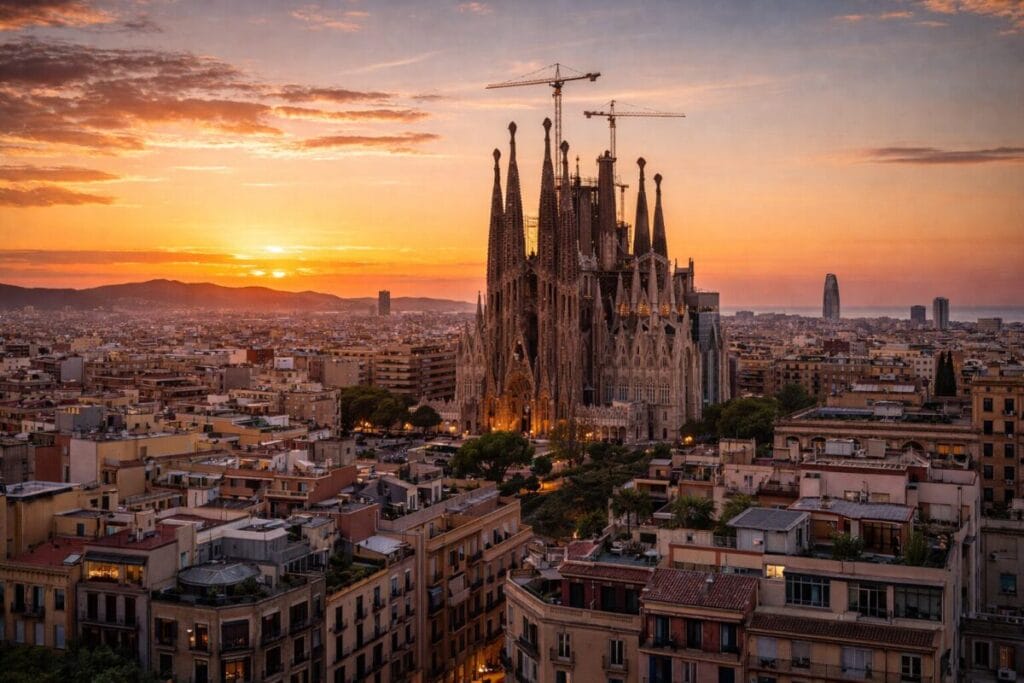
Over the past decade, Barcelona has experienced a steady rise in visitor arrivals, attracting millions of travelers annually. Popular landmarks such as the Sagrada Família, Park Güell, and the Gothic Quarter draw tourists from across the world, making the city one of Europe’s top tourism hotspots.
While tourism contributes significantly to the local economy by supporting hotels, restaurants, and cultural attractions, the growing number of visitors has also created strain on infrastructure and local neighborhoods.
Residents have increasingly voiced concerns about crowded streets, noise levels, and the impact of short-term rentals on housing availability. In response, city officials have been exploring ways to regulate tourism growth while maintaining Barcelona’s appeal as an international destination.
The increase in hotel taxes is one of the latest steps aimed at achieving that balance.
How the New Tourism Tax Will Work
Under the updated policy, travelers staying in hotels and other accommodation types will pay a higher nightly tourism tax during their visit. The tax will apply to both domestic and international visitors and will vary depending on the type and price of accommodation.
Higher-end hotels will generally contribute a larger amount per night, reflecting their pricing structure and the expectations of guests who choose luxury stays. Budget accommodations will also be subject to the tax, but at a lower rate.
City officials have emphasized that the tax system is designed to be fair and proportional, ensuring that tourism contributes to the maintenance of public spaces and local services that visitors also enjoy.
The funds collected will be directed toward improving public transport, waste management systems, and cultural preservation initiatives throughout the city.
Investing in Infrastructure and Community Services
One of the primary goals of the increased hotel tax is to reinvest tourism revenue into infrastructure improvements. With millions of visitors arriving each year, maintaining clean streets, efficient transportation, and well-preserved cultural landmarks requires significant resources.
Officials say the additional funding will support upgrades to public transportation networks, making it easier for both residents and tourists to move around the city. Environmental initiatives such as improved waste management and sustainability programs will also receive support.
Another key priority is the preservation of historic sites and cultural attractions that form the backbone of Barcelona’s tourism industry. Protecting these landmarks ensures that future generations of travelers can continue to experience the city’s unique heritage.
Encouraging Responsible and Sustainable Travel
Barcelona’s tourism strategy increasingly focuses on sustainability and responsible visitor behavior. Authorities are encouraging travelers to explore less crowded neighborhoods and attractions beyond the most famous landmarks.
By spreading tourism activity across different parts of the city, officials hope to reduce congestion in heavily visited areas while allowing visitors to discover lesser-known cultural experiences.
The city has also been promoting off-season travel to reduce pressure during peak summer months. Encouraging visits during quieter periods helps create a more balanced tourism flow throughout the year.
Educational campaigns and information programs aim to inform visitors about respectful travel practices, such as supporting local businesses and protecting historic sites.
A Global Movement Toward Tourism Regulation
Barcelona’s decision to raise hotel taxes is part of a wider international movement among cities facing overtourism challenges. Major travel destinations such as Venice, Amsterdam, and Paris have also introduced tourism taxes or visitor fees in recent years.
These policies are designed not only to generate revenue but also to help regulate tourism growth and ensure that travel development remains sustainable.
Tourism taxes can serve as a tool for managing visitor numbers while investing in programs that protect cultural heritage and environmental resources.
Travel industry experts note that as global tourism continues to grow, more destinations are likely to adopt similar measures.
Balancing Tourism Growth with Local Quality of Life
For Barcelona, the challenge lies in maintaining its position as a world-class travel destination while preserving the quality of life for its residents.
Tourism plays a vital role in the city’s economy, supporting thousands of jobs and generating significant revenue. At the same time, authorities recognize the importance of protecting neighborhoods, cultural traditions, and public spaces from excessive pressure.
The new hotel tax is intended to help create a more balanced tourism model where economic benefits are shared while negative impacts are reduced.
City planners believe that responsible tourism management will allow Barcelona to continue welcoming visitors without compromising the character and livability of the city.
Looking Ahead to a Sustainable Tourism Future
Barcelona’s new tourism tax policy marks an important step toward shaping a more sustainable future for the city’s travel industry. By using tourism revenue to invest in infrastructure, environmental initiatives, and cultural preservation, authorities aim to ensure that tourism remains beneficial for both residents and visitors.
The policy also sends a clear message that the city is committed to managing tourism responsibly rather than allowing uncontrolled growth.
As global travel patterns evolve, Barcelona’s approach may serve as a model for other destinations seeking to balance popularity with sustainability.
For travelers planning to visit the city, the new hotel tax represents a small contribution toward preserving one of Europe’s most iconic cultural destinations while supporting the long-term sustainability of tourism in Barcelona.
For more travel news like this, keep reading Global Travel Wire