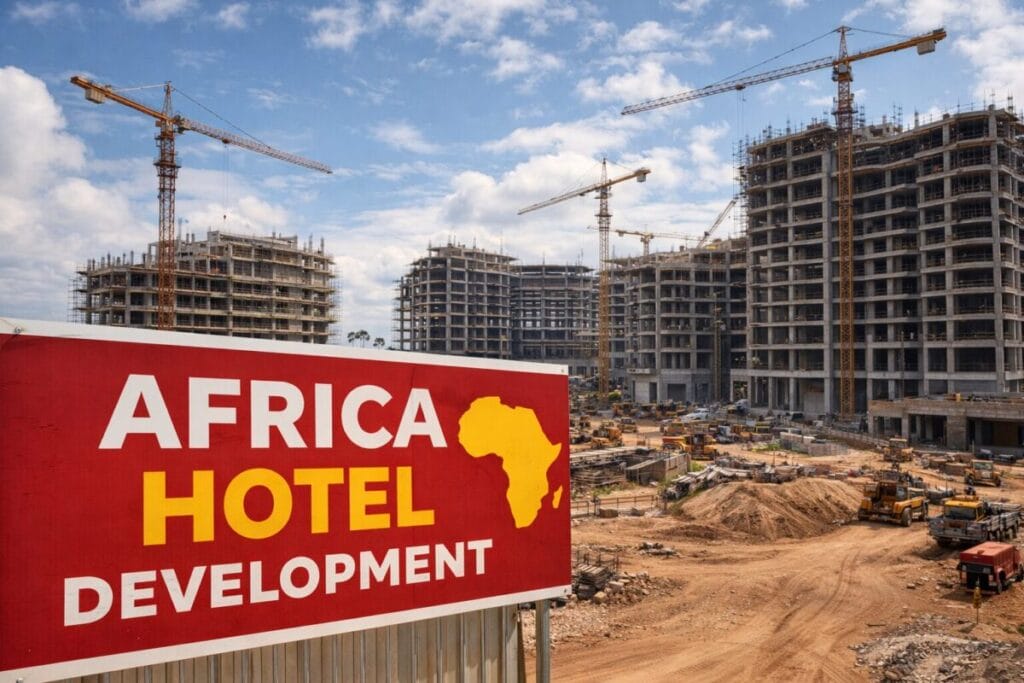
Africa’s hospitality sector is experiencing a historic expansion as hotel development across the continent reaches record levels. The latest industry data shows more than 123,000 hotel rooms currently planned across hundreds of new properties, signaling strong investor confidence in Africa’s tourism and hospitality markets.
The rapid expansion reflects growing interest from global hotel brands and investors seeking opportunities in emerging travel destinations across Africa. As tourism continues to rebound and infrastructure improves, developers are increasingly focusing on new hotels, resorts, and mixed-use tourism projects across key regions of the continent.
The pipeline includes more than 675 hotel and resort developments, marking a substantial increase compared with previous years and demonstrating that Africa is becoming one of the fastest-growing hospitality markets globally.
Tourism Growth Drives Hotel Development Across Africa
Africa’s expanding hotel pipeline reflects the continent’s rising importance in the global tourism economy. Many countries have invested heavily in tourism infrastructure, international airports, and transportation networks to attract visitors from Europe, the Middle East, Asia, and North America.
Tourism authorities across the continent have also introduced initiatives designed to promote international travel and encourage foreign investment in hospitality development. These efforts have helped position Africa as a major destination for cultural tourism, wildlife safaris, beach holidays, and adventure travel.
The surge in hotel development is also linked to increased business travel and international conferences, particularly in cities that serve as regional economic hubs.
However, the growth of the hotel pipeline is not evenly distributed across the continent. A small group of countries accounts for the majority of projects currently planned or under construction.
North Africa Leads the Continent’s Hotel Development
North Africa remains the dominant region in terms of hotel development volume, with Egypt emerging as the clear leader. The country alone accounts for tens of thousands of planned hotel rooms spread across nearly two hundred properties.
Major tourism destinations along Egypt’s Red Sea coast, including popular resort areas, continue to attract large-scale hotel investments. These projects are designed to accommodate growing numbers of international tourists seeking beach resorts, cultural heritage experiences, and luxury travel options.
Morocco also ranks among the top markets for hotel development in Africa. The country’s tourism industry has grown significantly in recent years thanks to its diverse attractions, which range from historic cities and desert landscapes to Atlantic coast resorts.
Together, Egypt and Morocco represent a large share of the continent’s hotel development pipeline, reinforcing North Africa’s position as a leading tourism hub.
Top African Markets for Hotel Development
Beyond North Africa, several other countries are emerging as important hospitality markets.
Nigeria ranks among the top destinations for hotel investment due to its large population and expanding business travel sector. The country’s economic centers continue to attract international hotel brands looking to serve corporate travelers and regional visitors.
Kenya has also seen significant growth in hotel projects, particularly in Nairobi and along the country’s coastline. Kenya’s tourism industry benefits from its reputation as one of Africa’s premier safari destinations, drawing visitors to its national parks and wildlife reserves.
Ethiopia is another fast-growing hospitality market. Addis Ababa, the country’s capital, serves as a major diplomatic and business hub in East Africa, hosting international organizations and conferences.
Other countries contributing to the continent’s hotel pipeline include Cape Verde, Tunisia, Tanzania, South Africa, and Ghana. Each of these destinations offers unique tourism attractions ranging from island resorts to wildlife safaris and cultural heritage sites.
East Africa Emerges as Construction Hotspot
While North Africa leads in overall development volume, East Africa currently shows the strongest momentum in terms of active construction.
Countries such as Kenya, Ethiopia, and Tanzania have a high percentage of hotel projects already under construction. This suggests that travelers could soon see a wave of new hotel openings across these markets.
In Kenya, a significant share of planned rooms is already being built, particularly in Nairobi and coastal resort regions such as Mombasa. Ethiopia’s hotel development activity is largely concentrated in Addis Ababa, where demand for international-standard accommodation continues to grow.
Tanzania also shows strong development activity as tourism expands in safari regions and island destinations like Zanzibar. New hotels are expected to support increasing visitor numbers exploring the country’s national parks and beaches.
Global Hotel Brands Expand Their African Presence
Another important trend shaping Africa’s hotel development boom is the growing involvement of major international hotel chains.
Several global hospitality companies have significantly expanded their presence across Africa in recent years. These brands are developing hotels in both major cities and leisure destinations to serve international tourists and business travelers.
The world’s largest hotel groups now account for a substantial share of Africa’s development pipeline. Their involvement brings international brand recognition, operational expertise, and access to global booking networks.
For travelers, this means that familiar hotel brands are increasingly available in African cities and resort destinations. At the same time, regional hospitality companies continue to operate boutique hotels and culturally distinctive properties that highlight local traditions and architecture.
Future Hotel Openings Expected Across the Continent
Industry forecasts suggest that tens of thousands of new hotel rooms could open in Africa over the next several years. If development projects proceed as planned, many destinations will see significant increases in accommodation capacity.
Dozens of new hotels are expected to open in the near future, followed by additional properties scheduled for completion later in the decade.
However, hospitality experts caution that not all planned projects will necessarily open on schedule. Hotel development can be influenced by factors such as financing challenges, construction timelines, and infrastructure requirements.
Despite these challenges, the overall trend remains positive, with investors continuing to view Africa as a high-growth tourism market.
Implications for Travelers and Tourism
The expansion of Africa’s hotel sector is expected to bring several benefits for travelers. More hotel options will increase accommodation availability across major tourism destinations, offering visitors a wider range of choices.
Competition between hotels may also lead to improved service standards and more competitive pricing. In addition, new properties often introduce modern facilities, wellness amenities, and innovative hospitality experiences.
For tourism authorities, the development boom represents an opportunity to attract larger numbers of international visitors and strengthen the continent’s global tourism profile.
Looking Ahead
Africa’s record hotel pipeline reflects growing confidence in the continent’s tourism future. As infrastructure improves and global travel demand continues to rise, many African destinations are positioning themselves as major players in the international tourism market.
The coming years could see a wave of new hotels opening across cities, coastal resorts, and wildlife destinations, offering travelers more opportunities to explore the continent.
With investment continuing to flow into hospitality projects, Africa’s tourism sector appears poised for long-term growth—bringing new travel experiences, economic opportunities, and global attention to some of the world’s most diverse and exciting destinations.
For more travel news like this, keep reading Global Travel Wire