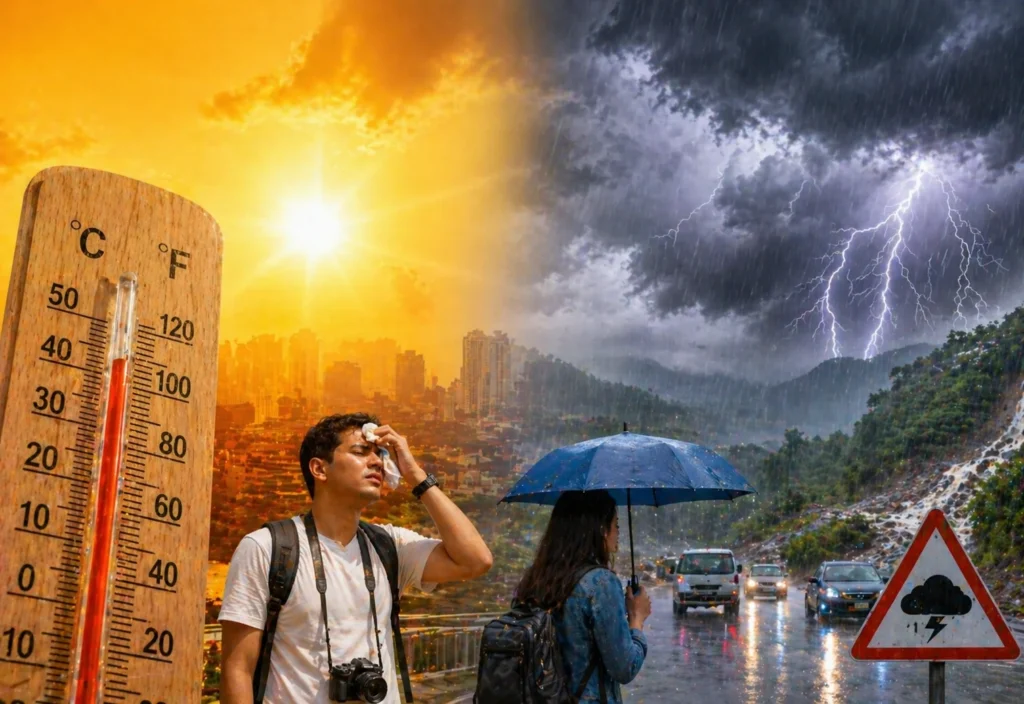
India’s tourism season is entering a challenging phase as extreme weather conditions reshape travel plans across the country. The India Meteorological Department has issued a nationwide advisory highlighting the combined impact of intense heatwaves and sudden thunderstorms, urging travelers to take precautions while planning summer journeys.
As April transitions into the peak pre-monsoon period, several regions across India are experiencing extreme temperature fluctuations. Northern, central, and eastern states are currently facing prolonged heatwave conditions, with temperatures rising above 40 degrees Celsius in many areas. At the same time, parts of the Northeast and southern India are witnessing heavy rainfall, thunderstorms, and strong winds, creating a complex and unpredictable travel environment.
Tourism authorities have noted that such weather patterns are not uncommon during the pre-monsoon phase, but the intensity observed this year is higher than average. Government advisories indicate that 2026 may record above-normal heatwave days, making it essential for travelers to plan carefully and stay informed.
The combination of scorching heat and sudden rainstorms presents unique challenges for tourists. Prolonged exposure to high temperatures can lead to dehydration, fatigue, and heat-related illnesses. Meanwhile, sudden rainfall and thunderstorms can disrupt transportation, delay sightseeing plans, and increase safety risks in outdoor environments.
Cities such as Delhi are experiencing particularly intense heat due to the urban heat island effect, where built-up areas retain more heat than surrounding regions. This makes daytime travel more exhausting and requires additional precautions, especially for visitors unfamiliar with such conditions.
In contrast, northeastern states like Assam and Meghalaya are preparing for heavy rainfall and thunderstorms. These regions, known for their lush landscapes and eco-tourism attractions, may face temporary disruptions due to weather-related challenges such as slippery roads, reduced visibility, and localized flooding.
Southern states, including Kerala and parts of Karnataka, are also experiencing intermittent rain and humidity, adding to the complexity of travel planning. While these conditions can provide relief from heat, they may also lead to increased humidity and health concerns such as respiratory issues and vector-borne diseases.
Tourism experts emphasize that travelers should prioritize safety and flexibility during this period. Early morning and late evening sightseeing is recommended in heat-affected regions, while indoor attractions and climate-controlled environments offer safer alternatives during peak daytime hours.
Health authorities have issued specific guidelines to help travelers cope with extreme heat. Staying hydrated is crucial, with frequent intake of water and electrolyte solutions advised throughout the day. Wearing light, breathable clothing and using protective gear such as hats and sunglasses can help reduce heat exposure.
Travelers are also encouraged to avoid outdoor activities during the hottest part of the day, typically between late morning and mid-afternoon. For those undertaking road trips or rail journeys, carrying cooling aids such as portable fans or damp cloths can provide additional comfort.
In regions prone to thunderstorms, safety measures focus on avoiding open spaces, tall structures, and water bodies during lightning activity. Carrying rain gear, sturdy footwear, and essential supplies such as medications and power banks can help travelers manage unexpected disruptions.
The impact of weather conditions extends beyond individual safety to influence tourism operations as well. Airlines, railways, and local transport services may experience delays or schedule adjustments due to adverse weather. Hospitality providers are also adapting by offering flexible booking options and enhanced guest support to accommodate changing travel plans.
International travelers visiting India during this period are advised to allow time for acclimatization and to familiarize themselves with local weather conditions. Access to healthcare facilities and travel insurance coverage are important considerations, particularly for those with pre-existing medical conditions.
Despite these challenges, India’s tourism sector remains resilient. Government initiatives and tourism board campaigns continue to promote safe travel practices and highlight the diverse experiences available across the country. From hill stations offering cooler climates to coastal destinations with seasonal charm, travelers still have a wide range of options to explore.
The key to a successful trip lies in preparation and awareness. Monitoring weather updates regularly, planning itineraries with flexibility, and prioritizing health and safety can help travelers navigate the complexities of the season.
As the country moves closer to the monsoon period, weather patterns are expected to evolve further. Travelers who stay informed and adapt their plans accordingly will be better positioned to enjoy their journeys while minimizing risks.
The latest advisory from the India Meteorological Department serves as an important reminder of the dynamic nature of travel conditions in India. By taking proactive measures and following official guidelines, tourists can continue to explore the country safely, even during periods of extreme weather.
In a season marked by both intense heat and sudden storms, careful planning and informed decision-making are essential. With the right approach, travelers can still experience the richness of India’s destinations while ensuring their well-being throughout the journey.