The global maritime industry is experiencing a period of transformation in 2026, with the secondhand ship market playing a major role in reshaping cruise tourism, cargo transportation, and maritime travel networks. While the buying and selling of used ships may appear to be a niche financial activity, these transactions have far-reaching consequences for tourism, international trade, and global travel infrastructure.
As cruise operators, logistics companies, and maritime investors adapt to economic changes, environmental regulations, and geopolitical developments, the secondary ship market has become a strategic tool for fleet modernization and business expansion. From cruise vessels finding new roles as residential ships to cargo carriers changing routes in response to global tensions, the movement of secondhand vessels is influencing how people travel and how goods move across oceans.
Cruise Ships Begin Second Life in Emerging Travel Markets
One of the most notable trends in 2026 is the repurposing of older cruise ships for alternative travel experiences. Instead of retiring vessels after decades of service, new owners are transforming them into unique travel products that cater to evolving traveler preferences.
Several former cruise ships are being purchased by smaller companies or specialized operators seeking to offer niche travel experiences. These vessels may become expedition ships, residential cruise communities, or boutique cruise liners designed for smaller groups of travelers.
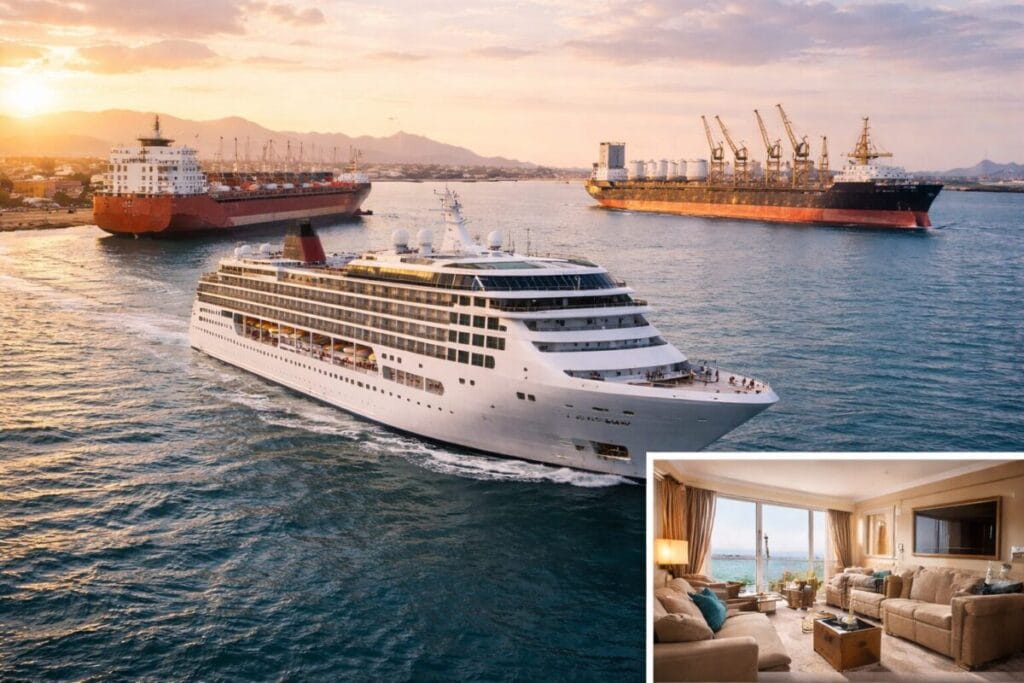
A notable example involves a luxury cruise ship built in the late 1990s that has recently been acquired by a residential cruise development company. The vessel is expected to be converted into a floating residential community where residents can live onboard while traveling to destinations around the world. This emerging concept blends long-term living with continuous global exploration.
Other operators are acquiring older vessels to launch expedition-style cruises that focus on remote destinations, wildlife encounters, and educational travel. Smaller ships are particularly suited to these journeys because they can access ports and coastal areas that large cruise liners cannot reach.
For travelers, this shift means a broader range of cruise experiences beyond traditional mega-ship vacations. Instead of large entertainment-focused cruises, passengers can now choose immersive travel options that prioritize cultural discovery, exploration, and community-style living.
Geopolitical Factors Influence Maritime Trade Routes
While passenger ships are being repurposed for new tourism opportunities, cargo vessels in the secondhand market are responding to different pressures. The global shipping industry continues to face challenges linked to geopolitical tensions, energy supply disruptions, and shifting maritime trade routes.
Recent developments in strategic waterways have increased the value of certain cargo ships, particularly large oil tankers and bulk carriers. When shipping companies purchase secondhand vessels today, they are investing not only in transportation capacity but also in operational flexibility.
Ships capable of traveling longer routes are becoming increasingly valuable as shipping companies seek alternatives to traditional transit corridors affected by regional instability. When routes become more complex or longer in distance, shipping costs can increase, creating ripple effects throughout the global economy.
Although travelers may not directly see these changes, the impact can be felt in the broader travel ecosystem. Rising transportation costs for fuel, food supplies, and consumer goods can influence tourism prices, from airline tickets to hotel rates and travel services.
Fleet Diversification and Industry Adaptation
The secondhand ship market is also helping maritime companies diversify their fleets more efficiently. Purchasing a pre-owned vessel allows companies to expand operations quickly without waiting several years for new ships to be built and delivered.
Many shipping companies are focusing on acquiring mid-sized vessels that offer greater flexibility than extremely large ships. These ships can operate on a wider variety of routes and serve ports with limited infrastructure, allowing operators to adapt quickly to changing market conditions.
Cruise companies are also taking advantage of this approach by acquiring ships that can support specialized travel programs such as polar expeditions, cultural cruises, or adventure tourism.
This diversification is reshaping the cruise industry by creating more personalized travel experiences while reducing reliance on massive vessels that serve thousands of passengers at once.
Sustainability Influences Ship Transactions
Environmental regulations are another factor shaping the secondhand ship market in 2026. Governments and international maritime organizations are introducing stricter emissions standards aimed at reducing pollution from shipping.
As a result, buyers are increasingly prioritizing vessels that can be upgraded with modern environmental technology. Ships that can be retrofitted with cleaner fuel systems, energy-efficient engines, or hybrid propulsion technologies are commanding higher prices in the secondhand market.
Older vessels that cannot meet future environmental standards may face limited operational lifespans unless they undergo significant upgrades. This trend is encouraging shipowners to modernize fleets while also supporting sustainability goals within the maritime sector.
Maritime Assets Serve New Roles in Global Events
Beyond tourism and trade, ships are also finding new uses in large-scale international events. Some vessels are temporarily repurposed as floating hotels, accommodation hubs, or logistical support facilities during major global gatherings.
For instance, cruise ships have been chartered in recent years to house athletes, staff, and visitors during international sporting competitions or festivals. These floating accommodations allow cities hosting large events to expand lodging capacity without constructing permanent infrastructure.
Such creative uses highlight the versatility of maritime assets and demonstrate how the secondhand ship market can support industries beyond traditional travel.
What the Market Means for Travelers
For travelers, the changes unfolding in the secondhand ship market may gradually reshape cruise tourism and global travel experiences. New ownership structures and repurposed vessels are creating opportunities for more specialized journeys that focus on exploration, culture, and sustainability.
Instead of a standardized cruise experience, travelers can increasingly choose from diverse voyage styles that reflect their interests, whether that involves residential cruising, expedition travel, or cultural immersion.
At the same time, the maritime industry’s response to global trade challenges ensures that tourism supply chains remain operational even when routes or logistics networks change.
Looking Ahead for Maritime Travel
As the maritime sector continues to adapt to economic pressures, environmental goals, and geopolitical developments, the secondhand ship market will remain a key driver of transformation.
Ships changing ownership or purpose represent more than simple transactions—they reflect broader shifts in how the world travels, trades, and connects across oceans.
For the global tourism industry, these adjustments signal a future where cruise experiences become more diverse, flexible, and innovative. Whether passengers choose to sail aboard a newly built luxury liner or a creatively repurposed vessel, the evolving maritime landscape promises new possibilities for exploration in the years ahead.
For more travel news like this, keep reading Global Travel Wire