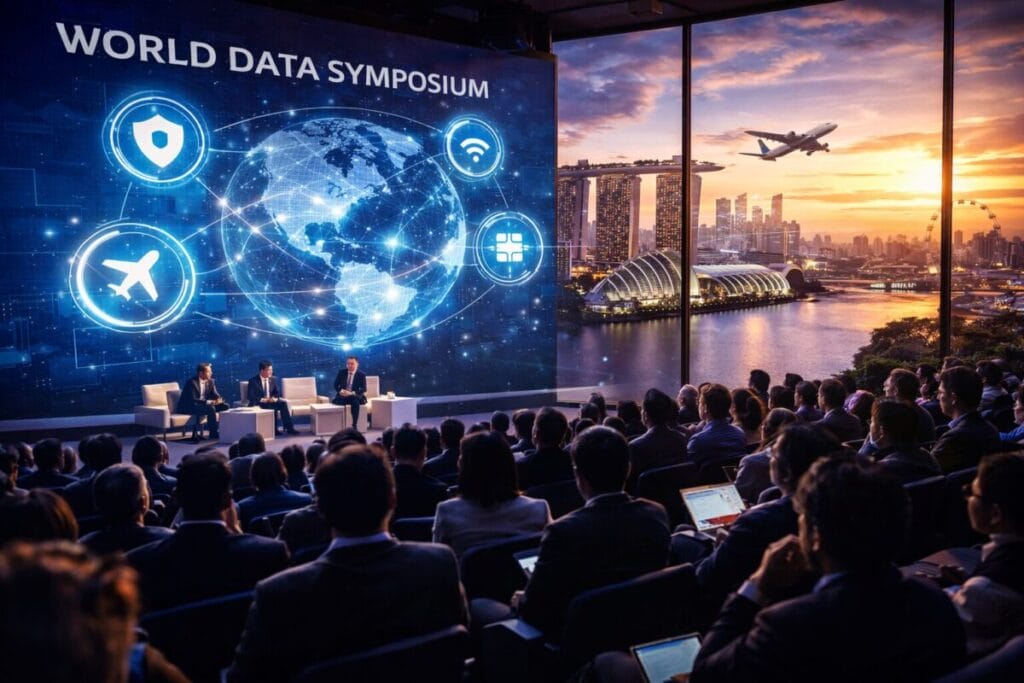
Singapore will host one of the aviation industry’s most important technology events this year. The World Data Symposium 2026 will bring aviation leaders, technology experts, and airline executives together.
The two-day event will take place on April 8 and 9. Experts from Korea, Malaysia, Thailand, Japan, and other regions will attend the gathering.
Industry leaders will discuss how technology can transform global aviation. The symposium will focus on data, artificial intelligence, cybersecurity, and airport innovation.
Singapore provides the perfect location for this global meeting. The city stands among Asia’s busiest aviation hubs and connects travelers across continents.
The event will highlight how technology improves airline efficiency and passenger experiences. Airlines and airports increasingly rely on digital systems to support modern travel.
Aviation Data Now Drives Airline Efficiency and Passenger Experience
Aviation companies generate massive amounts of operational data every day. This information includes flight operations, passenger flows, and aircraft performance.
Airlines now use advanced data tools to improve decision making. These technologies help airlines reduce delays and improve operational efficiency.
During the symposium, experts will explore how data analytics transforms airline operations. Data insights allow airlines to predict disruptions and manage resources more effectively.
Passengers also benefit from these improvements. Airlines can provide smoother check-in processes, faster boarding, and more accurate travel updates.
Technology also helps airports manage passenger traffic more efficiently. Real-time information helps airports prevent overcrowding and improve service quality.
Artificial Intelligence Will Play a Key Role in Aviation Innovation
Artificial intelligence will dominate several symposium discussions. Airlines and airports now adopt AI tools to streamline many operational processes.
AI systems analyze flight data, weather patterns, and aircraft performance. These systems help airlines plan more efficient flight routes.
Predictive maintenance also uses artificial intelligence. Airlines can detect potential aircraft issues before they cause delays.
Customer service also benefits from AI innovation. Airlines now use digital assistants and chatbots to support passengers during travel.
These technologies help travelers receive faster assistance and accurate travel information. Industry experts believe AI will transform the passenger journey over the next decade.
Cybersecurity Becomes a Critical Priority for Global Aviation
Digital transformation also creates new cybersecurity challenges. Airlines and airports depend on interconnected digital systems.
Cybersecurity experts will address these risks during the symposium. Aviation leaders want stronger protection for digital flight systems and passenger data.
Modern aviation networks connect airlines, airports, fuel suppliers, and air traffic control. These systems must remain secure to protect global transportation infrastructure.
Experts will discuss strategies for improving cybersecurity across aviation networks. The industry aims to create stronger protection against cyber threats.
Travelers also benefit from improved digital security. Airlines can protect booking systems, passenger information, and operational data.
Digital Twin Technology Could Improve Airport Operations
Digital twin technology will also appear on the symposium agenda. This technology creates virtual replicas of physical airports and aircraft operations.
Engineers feed real-time data into these digital models. Airport operators can then simulate different scenarios before implementing operational changes.
Digital twin systems help airports prepare for peak travel periods. Operators can analyze passenger movement and improve terminal efficiency.
These virtual models also support baggage handling improvements and aircraft scheduling. Airports can reduce delays and enhance passenger experiences.
Many global airports already explore digital twin technology. Experts believe this innovation will become standard across major international hubs.
Cross-Industry Innovation Inspires Future Airport Design
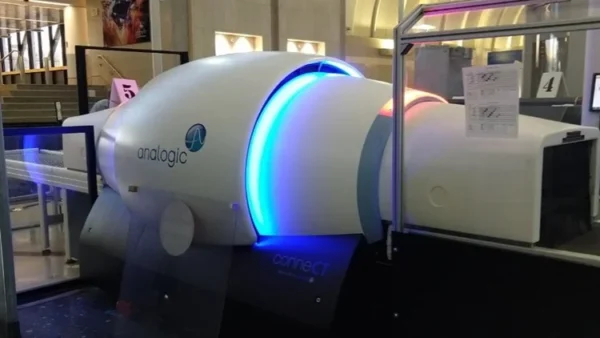
The aviation industry now studies technologies from other sectors. Experts believe innovations from sports stadiums and entertainment venues can improve airport operations.
Large stadiums manage thousands of visitors during major events. They use smart sensors and digital systems to control crowd movement.
Airports can apply similar technology to manage passenger flows. Smart monitoring systems can detect congestion and guide travelers toward faster routes.
This approach can reduce long queues at security checkpoints and boarding gates. Passengers will experience smoother movement throughout the airport.
Cross-industry innovation encourages creative solutions for aviation challenges.
Aviation Leaders from Asia and Beyond Will Share Expertise
The symposium will feature senior executives from airlines, airports, and technology firms. Their discussions will shape future aviation strategies.
Industry leaders from Singapore and other Asian countries will participate. Executives from Korea, Malaysia, Thailand, and Japan will contribute regional insights.
Technology experts will also present new digital aviation solutions. Their work supports safer and more efficient travel systems worldwide.
These global discussions reflect the collaborative nature of aviation. Airlines and airports must work together to maintain efficient global travel networks.
For travelers, these innovations often translate into smoother journeys and improved airport services.
Singapore Offers Delegates an Exceptional Travel Experience
Beyond the symposium, Singapore provides world-class tourism experiences. Visitors can explore vibrant neighborhoods filled with culture and history.
Chinatown offers traditional markets, temples, and authentic cuisine. Little India features colorful streets and rich cultural heritage.
Kampong Glam also attracts travelers with historic mosques and creative cafes. Each district showcases Singapore’s diverse cultural identity.
Visitors also explore famous attractions across the city. Marina Bay Sands offers panoramic skyline views from its observation deck.
Gardens by the Bay features futuristic gardens and spectacular light displays. The Singapore Flyer provides breathtaking views of the entire city.
Food Culture Makes Singapore a Culinary Destination
Singapore also ranks among Asia’s top culinary destinations. Travelers enjoy diverse food experiences ranging from street food to luxury dining.
Hawker centers serve iconic local dishes at affordable prices. Popular food hubs such as Lau Pa Sat attract both locals and international visitors.
Singapore’s multicultural population shapes its culinary identity. Chinese, Malay, Indian, and international cuisines influence the city’s food scene.
Food lovers can experience everything from traditional noodle dishes to Michelin-starred restaurants.
Changi Airport Strengthens Singapore’s Global Aviation Leadership
Singapore’s Changi Airport consistently ranks among the world’s best airports. The airport serves as a major gateway connecting Asia with global destinations.
Changi Airport offers efficient transport connections into the city. Travelers can reach downtown areas quickly through metro lines, taxis, and ride services.
The airport also leads innovation in airport technology and passenger experience. Automated immigration systems and digital services improve traveler convenience.
These features reinforce Singapore’s reputation as a global aviation leader.
A Future of Smart Aviation and Seamless Travel
The World Data Symposium 2026 will shape the next phase of aviation innovation. Industry experts will explore how technology can improve safety, efficiency, and passenger comfort.
Artificial intelligence, data analytics, and cybersecurity will drive the future of aviation. Airlines and airports must adapt to rapidly changing travel demands.
Singapore’s leadership in technology and aviation makes it an ideal host for this global event.
As the symposium concludes, industry leaders will leave with new strategies for transforming air travel. The innovations discussed in Singapore will influence how millions of passengers travel in the years ahead.
For more travel news like this, keep reading Global Travel Wire