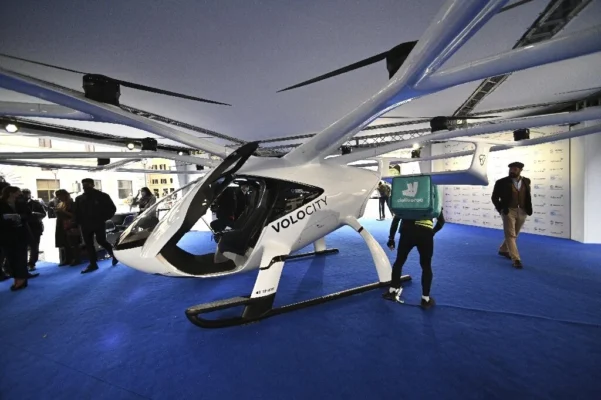
ITA Airways and Archer Aviation are exploring an electric air taxi network in Italy, with a proposed link between Rome Fiumicino Airport and the city centre. The companies estimate that the flight could take less than 10 minutes, compared with a road journey of around an hour. Commercial service depends on aircraft certification, operating approvals and suitable take-off and landing sites.
ITA Airways is Archer’s first European airline partner. The collaboration centres on Archer’s Midnight aircraft, which is designed to take off and land vertically and carry four passengers and a pilot. Rome illustrates how the aircraft could serve an international gateway, while the wider proposal envisages links to other Italian cities and leisure destinations.
Flight Time Is One Part of the Airport Transfer
The Rome estimate covers time in the air. The full journey would also include getting from the airline terminal to the air taxi departure point, boarding and travelling from the city landing site to a hotel or meeting. The final locations would therefore determine who could save time and how much.
A passenger arriving on a long-haul flight might value a quicker trip into central Rome, particularly on a short visit. For a family carrying several suitcases, the transfer between vehicles and the amount of luggage the aircraft can carry may matter just as much. Midnight is designed with space for carry-on luggage. The partners have yet to detail how larger bags would be handled.
For travel planners, the relevant comparison is between complete itineraries. A hotel close to a city landing site could benefit from a faster transfer. A property farther away would still require an onward journey, which could narrow the time saved compared with a direct road transfer.
Four Seats Shape the Tourism Opportunity
The proposed aircraft’s four-passenger layout could suit couples, small parties and business travellers. Hotels and destination management companies could potentially offer the service as part of a premium stay or a tightly timed itinerary. A larger tour group would need several departures or separate transport, which limits how easily operators could use the aircraft for group arrivals.
The partnership also envisages links beyond city centres. Short flights could help visitors reach selected leisure destinations if the eventual network includes landing sites near them. For operators arranging resort stays or private tours, the opportunity depends on the locations served, the frequency of flights and how the transfer fits with hotel check-in or scheduled activities.
Midnight’s electric propulsion would produce no direct carbon emissions in flight. The aircraft is also designed to be quieter than a conventional helicopter. Where it could operate would depend on local approvals and the suitability of each site, including how flights would fit around surrounding communities.
Airline Booking Integration Is Part of the Plan
ITA Airways and Archer envisage offering an air taxi transfer alongside an airline booking. This could let passengers compare a transfer while choosing their main flight. The proposal also gives travel advisers a way to consider the transfer when assembling an itinerary that includes accommodation and ground services.
The most consequential booking details remain open. A passenger would need to know how much time to allow after landing, what baggage the transfer accepts and what happens if the inbound flight runs late. A corporate travel manager would also need the full price before deciding whether the time savings justify the cost.
Those questions are especially important for hotels and agencies arranging an airport pickup. A transfer offered at booking can simplify the purchase. Its usefulness on arrival will depend on how clearly the airline and operator explain where to go and how to handle a change of plans.
Certification and Landing Sites Will Determine the Launch
Commercial operations require approvals for the aircraft and the service, as well as facilities for boarding, charging and aircraft turnaround. The companies have yet to publish a launch date, fares or a confirmed list of routes. The Fiumicino example shows the kind of journey they are exploring.
For travellers, the first details that will make the Rome proposal comparable with existing transfers are the two landing locations and the boarding arrangements. Once those are known, passengers and travel businesses can judge whether a flight of under 10 minutes translates into a shorter journey from the airport terminal to the final destination.
For more travel news like this, keep reading Global Travel Wire