The escalating conflict in West Asia has triggered a major economic and tourism crisis across several countries, prompting governments to call for urgent international intervention to restore stability. Lebanon, Oman, Qatar, Turkey, the United Arab Emirates, Saudi Arabia, Kuwait, and several neighboring states are now urging the United Nations and global partners to support diplomatic efforts aimed at stabilizing the region’s economy and reviving travel demand ahead of Eid-ul-Fitr 2026.
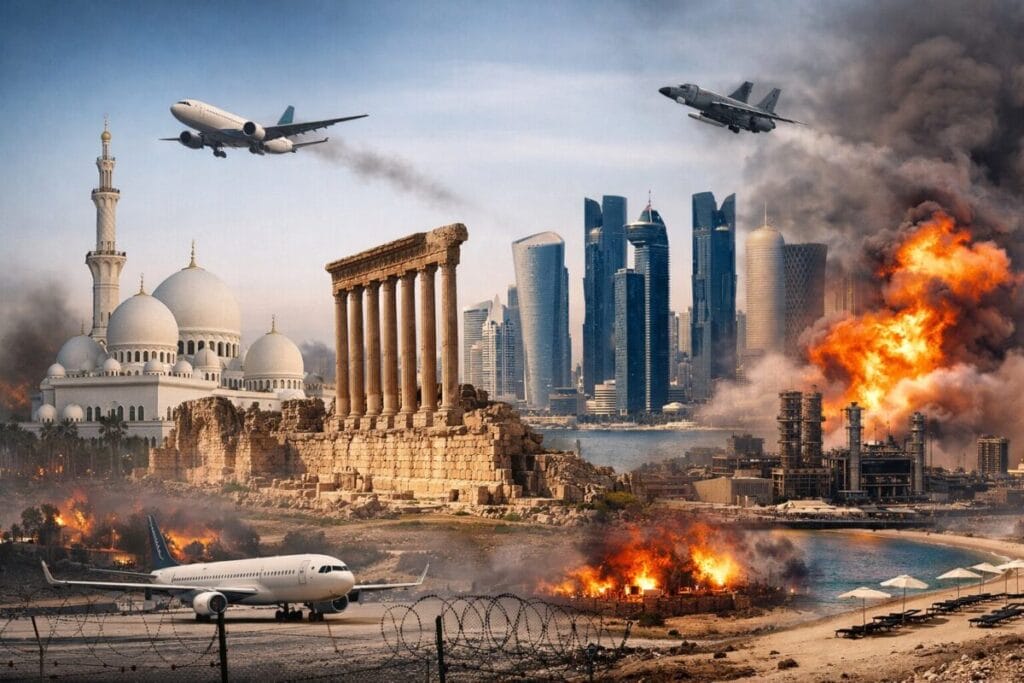
The ongoing conflict, which intensified in late February 2026, has significantly disrupted aviation networks, tourism operations, and regional business activity. As tensions continue to affect airspace and maritime routes, governments across the region are emphasizing that restoring peace and security is essential to protecting their tourism-driven economies.
Tourism and Aviation Sectors Facing Massive Losses
The tourism and aviation industries across West Asia have experienced severe financial losses since the conflict escalated. Industry estimates suggest that international visitor spending across the region is declining by roughly $600 million per day due to flight cancellations, suspended travel routes, and growing safety concerns among travelers.
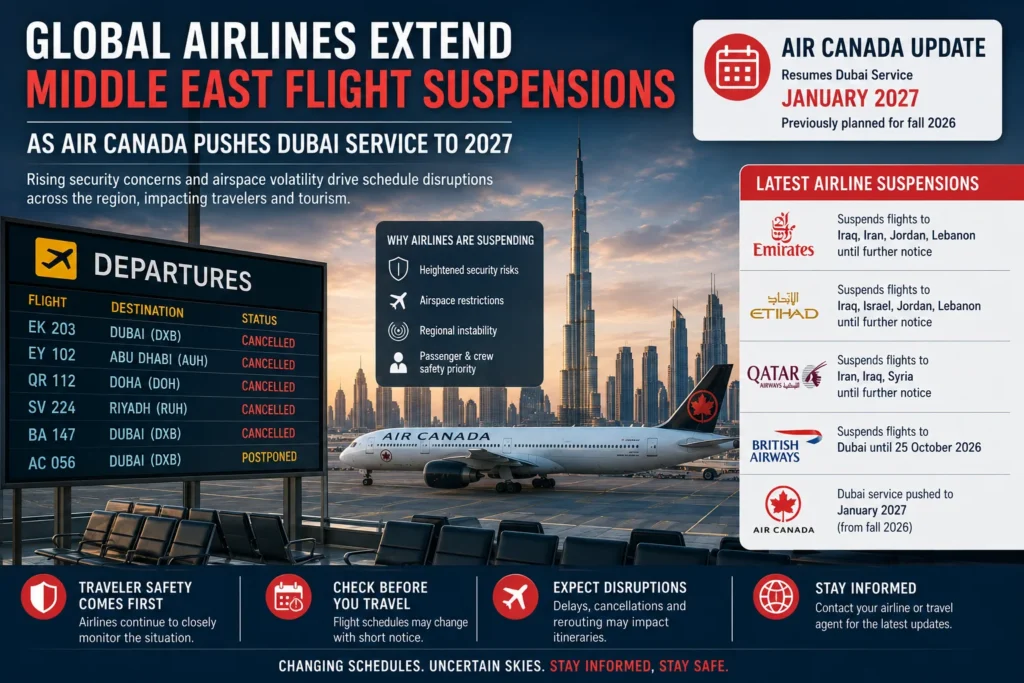
Major aviation hubs such as Dubai, Abu Dhabi, and Doha—normally among the busiest transit centers in the world—have faced operational disruptions. Airlines have been forced to reroute flights, reduce schedules, or temporarily suspend services due to security risks and restricted airspace.
These disruptions have triggered a ripple effect across the wider tourism ecosystem. Hotels, tour operators, travel agencies, cruise companies, and event organizers are all reporting declining bookings, especially as travelers reconsider plans to visit destinations across the Middle East.
With Eid-ul-Fitr approaching, a period traditionally associated with increased travel demand across Muslim-majority nations, governments are urgently seeking diplomatic solutions that can restore confidence in regional stability.
Diplomatic Efforts Intensify Through the United Nations
Regional governments are increasingly relying on international diplomacy to address the crisis. Recent discussions within the United Nations have focused on protecting civilian aviation routes, safeguarding maritime trade corridors, and reducing the risk of further escalation.
A newly adopted UN Security Council resolution has established a framework aimed at protecting critical infrastructure such as airports, shipping lanes, and energy facilities. These measures are intended to prevent disruptions that could further destabilize global trade and travel networks.
For countries across West Asia, the restoration of a functioning tourism market depends heavily on the success of these diplomatic initiatives. Officials from several governments have emphasized that rebuilding traveler confidence requires clear guarantees of security, operational airspace, and stable transportation routes.
Lebanon Faces Humanitarian and Tourism Collapse
Among the most heavily affected countries is Lebanon, where ongoing hostilities have triggered a humanitarian crisis and brought tourism activity to a near standstill.
Tourism historically played a crucial role in Lebanon’s economy, particularly through hospitality, cultural tourism, and coastal travel. However, the current conflict has led to widespread displacement, infrastructure damage, and the closure of many businesses tied to tourism.
Air travel into Lebanon has been severely restricted, while many international visitors have postponed or cancelled trips due to safety concerns. Local authorities are now prioritizing humanitarian relief and economic stabilization while continuing diplomatic engagement aimed at securing a ceasefire.
Gulf Nations Confront Economic and Security Pressures
Across the Gulf region, countries such as the United Arab Emirates, Qatar, Saudi Arabia, Kuwait, and Oman are facing growing economic pressures as the conflict affects aviation connectivity and traveler confidence.
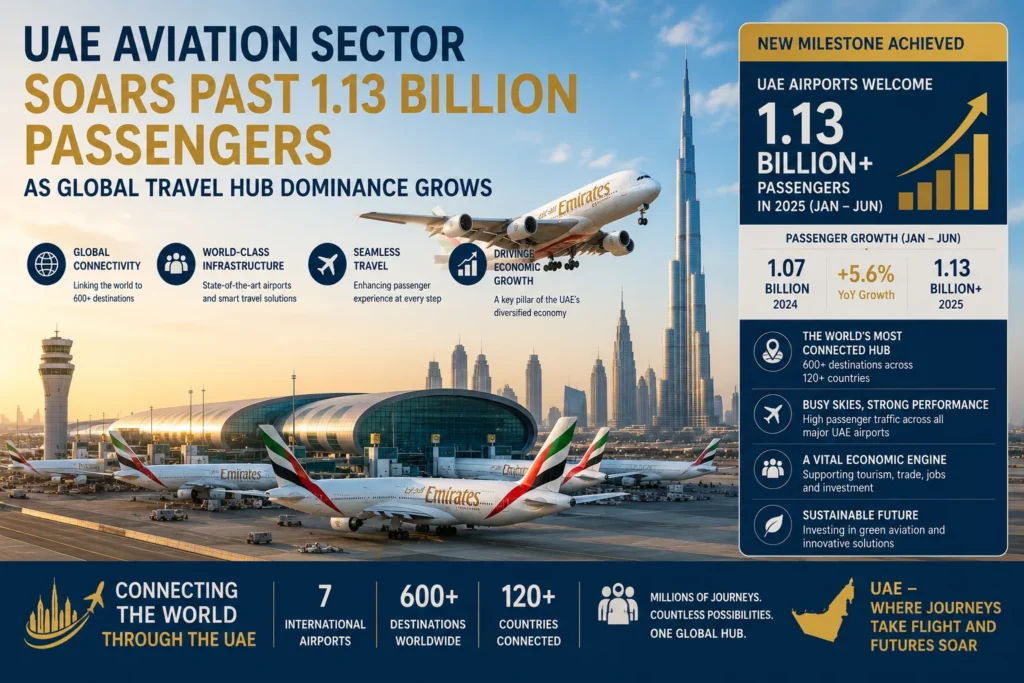
The UAE, which has built one of the world’s largest tourism economies centered around Dubai and Abu Dhabi, has experienced significant disruptions to airline operations and international travel flows. These cities normally serve as global gateways connecting Europe, Asia, and Africa, making them particularly vulnerable to regional instability.
Qatar has also faced challenges due to disruptions affecting its aviation sector and international transit routes. The country’s flagship airline and major airport hub play a vital role in global travel connectivity, and any interruptions quickly impact tourism and business travel.
Saudi Arabia, meanwhile, has been working to protect its long-term tourism expansion plans under its economic diversification strategy. The Kingdom has invested heavily in developing new tourism destinations and infrastructure, but security concerns and travel restrictions are slowing visitor growth.
Kuwait and Oman have also experienced aviation disruptions and declining travel demand, particularly as airlines adjust flight paths to avoid conflict zones.
Turkey Navigates Tourism Risks Amid Regional Tensions
Turkey, another major tourism destination in the region, has maintained diplomatic engagement with multiple parties involved in the conflict. Despite its efforts to promote dialogue, the broader instability has begun affecting tourism demand, particularly for the upcoming spring and summer travel seasons.
Turkey’s tourism industry, which attracts millions of international visitors each year, relies heavily on stable air routes and traveler confidence. Any prolonged regional tensions could impact bookings, especially among European and Asian tourists.
Global Energy and Trade Concerns Add Pressure
The conflict has also raised global concerns about maritime trade routes, particularly the Strait of Hormuz, a key passage for energy shipments and commercial shipping.
Disruptions to this critical waterway could affect global energy markets, transportation costs, and international travel prices. Governments and international partners are closely monitoring the situation to ensure maritime security and prevent further economic shocks.
Tourism Recovery Depends on Regional Stability
Despite the severity of the current crisis, tourism experts believe the sector could recover relatively quickly once stability returns. Historically, travel demand has shown resilience after geopolitical disruptions, especially when governments implement coordinated recovery strategies.
Industry analysts suggest that if diplomatic efforts succeed and security conditions improve, West Asia’s tourism sector could begin recovering within a few months. Rebuilding traveler confidence, restoring airline routes, and promoting safe travel corridors will be key to accelerating this recovery.
For now, governments across the region remain focused on diplomatic engagement and international cooperation. Their primary goal is clear: restore peace, stabilize the market economy, and revive tourism before the critical holiday travel season begins.
As the situation continues to evolve, the role of global institutions and diplomatic initiatives will likely determine how quickly West Asia’s tourism industry can return to normal operations.
For more travel news like this, keep reading Global Travel Wire