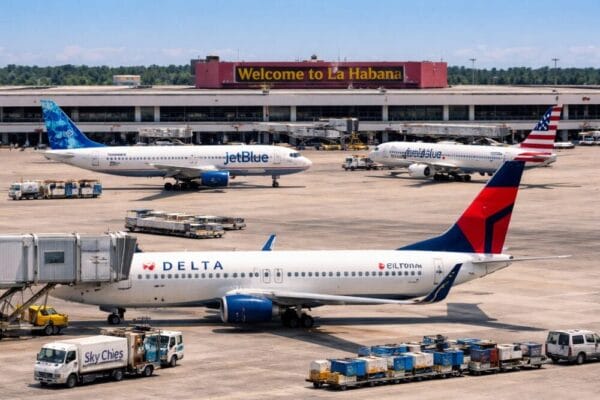
Air travel between the United States and Cuba will see major adjustments during the summer 2026 travel season. The United States Department of Transportation has approved temporary waivers for several airlines to pause selected routes. These waivers affect flights connecting Miami, Fort Lauderdale and Atlanta with Cuban destinations such as Havana, Varadero and Holguin.
Delta Air Lines, JetBlue Airways and American Airlines requested the waivers due to operational challenges and fluctuating travel demand. The approval allows airlines to suspend specific flights without losing their government-granted route authorities. The temporary measure will remain in effect until October 24, 2026.
These changes will influence travel options between the United States and Cuba throughout the busy summer tourism season.
U.S. Aviation Policy Allows Temporary Route Suspensions
International aviation routes operate under strict regulatory rules in the United States. Airlines must regularly use the flight frequencies assigned to them by federal regulators. If an airline stops operating an approved route, it risks losing the authority to fly that service.
To address unusual market conditions, airlines may request dormancy waivers from regulators. These waivers allow airlines to temporarily pause flights while retaining their operating rights.
The U.S. Department of Transportation often grants such waivers when airlines face economic, operational or logistical challenges. The summer 2026 waivers allow carriers to adjust their schedules without permanently losing valuable route slots.
These regulatory decisions help airlines maintain flexibility while protecting long-term aviation agreements between countries.
Delta Air Lines Reduces Some Havana Flights
Delta Air Lines will adjust its Cuba network during the waiver period. The airline currently operates flights connecting Havana with Miami and Atlanta.
The approved waiver allows Delta to pause one of its two daily roundtrip flights between Miami and Havana. The airline will also suspend its daily Atlanta to Havana service for the same period.
These adjustments reduce the number of Delta flights operating to Havana this summer. However, the airline will retain the right to resume the services once market conditions improve.
Atlanta and Miami remain major international gateways for Delta’s network. Hartsfield-Jackson Atlanta International Airport serves as one of the busiest airports in the world. Miami International Airport also functions as a key hub for travel between North America and the Caribbean.
Flights between these cities and Havana have long supported tourism, cultural travel and family visits.
JetBlue Pauses Fort Lauderdale to Havana Frequencies
JetBlue Airways also received approval to suspend certain Cuba flights. The airline will pause its twenty weekly frequencies between Fort Lauderdale and Havana.
Fort Lauderdale-Hollywood International Airport plays an important role in Caribbean aviation. The airport provides convenient access for travelers across South Florida and nearby regions.
The large Cuban-American community in South Florida has historically supported strong travel demand between Florida and Havana. Many travelers use these routes to visit family members or explore Cuba’s cultural attractions.
JetBlue will retain its route authority during the suspension period. This allows the airline to restore the flights when operational conditions improve.
American Airlines Adjusts Several Cuba Routes
American Airlines operates the largest network of flights between the United States and Cuba. The airline maintains extensive connections through its Miami hub.
The approved waiver covers several American Airlines routes linking Miami with Cuban cities. These routes include Havana, Camaguey, Holguin, Varadero, Santiago de Cuba and Santa Clara.
The airline will temporarily pause eight daily Miami to Havana roundtrip flights. Some additional services connecting Miami with other Cuban cities will also remain suspended during the waiver period.
Miami International Airport serves as the primary gateway for American Airlines flights to Cuba. The airport connects travelers from across the United States with Caribbean destinations.
These temporary adjustments will reduce the number of available flights this summer while preserving the airline’s rights to resume operations later.
Cuba’s Major Tourism Destinations Remain Important
The affected routes connect the United States with several important Cuban tourism destinations. Each city offers unique cultural attractions and travel experiences.
Havana remains Cuba’s largest and most famous city. Visitors often explore its historic neighborhoods, colorful architecture and vibrant music culture. The waterfront Malecón boulevard and Old Havana district attract travelers interested in history and architecture.
Varadero ranks among the Caribbean’s most famous beach destinations. The region offers long stretches of white sand beaches along the Atlantic Ocean. Resorts, water sports and seaside activities draw international tourists throughout the year.
Holguin attracts visitors seeking natural landscapes and coastal resorts. Beaches such as Guardalavaca and Playa Esmeralda remain popular destinations for travelers.
Camaguey features one of the most historic urban centers in Cuba. Narrow streets, colonial buildings and public squares reflect the city’s centuries-old heritage.
Santiago de Cuba and Santa Clara also draw visitors interested in music, culture and historic landmarks across the island.
Travel Connections Between the United States and Cuba
Air travel remains a key link between the United States and Cuba. Flights support tourism, family visits and cultural exchange between the two countries.
Major American departure points include Miami, Fort Lauderdale and Atlanta. These cities serve as aviation gateways connecting travelers to Cuban airports.
The summer schedule changes will reduce the number of flights available for travelers. However, several services will continue operating between the two countries during the waiver period.
Travel demand often fluctuates depending on economic conditions, fuel prices and regulatory factors. Airlines frequently adjust schedules to match these changes.
Operational Challenges Influence Airline Decisions
Several operational factors influenced the airlines’ requests for waivers. Industry analysts cite lower travel demand and logistical challenges affecting certain routes.
Fuel supply constraints and changing travel patterns can also affect airline planning. When airlines experience reduced demand on a route, they may temporarily reduce service levels.
Dormancy waivers allow airlines to respond quickly to these changes. The regulatory flexibility helps airlines manage costs while protecting their long-term route rights.
Airlines often restore suspended routes once demand returns or operating conditions improve.
Outlook for Cuba Travel in 2026
Although some flights will pause this summer, travel between the United States and Cuba will continue. Airlines still operate multiple routes connecting American cities with Cuban airports.
Tourism officials across the Caribbean continue promoting regional travel opportunities. Cuba remains known for its cultural heritage, historic cities and coastal resorts.
Travelers planning trips to Havana, Varadero or other Cuban destinations may experience fewer flight choices during the waiver period. However, airlines will continue monitoring demand and operational conditions throughout the year.
As airlines evaluate future schedules, the aviation landscape between the United States and Cuba may evolve again. The ability to adjust routes and frequencies remains essential in today’s dynamic global travel industry.
For more travel news like this, keep reading Global Travel Wire