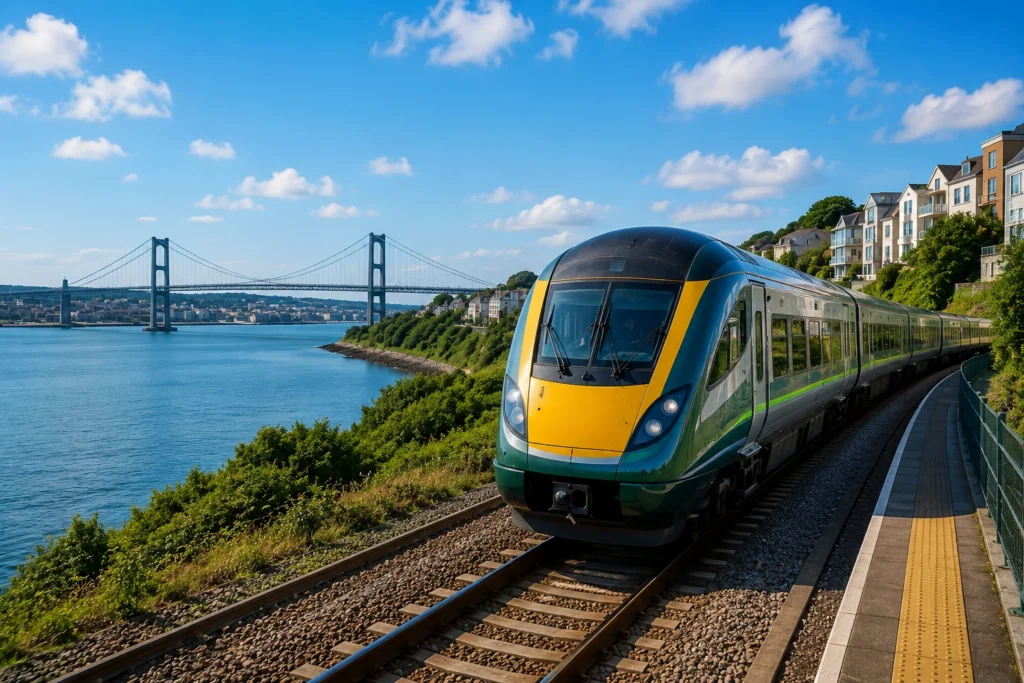
The United Kingdom is moving forward with the long-awaited redevelopment of the Portishead to Bristol railway line after Network Rail awarded contracts worth approximately £200 million to begin major infrastructure works aimed at transforming transportation across western England.
The project will restore and modernize the historic rail connection between Portishead and Bristol, creating a faster, cleaner, and more sustainable transportation option for commuters, tourists, and businesses throughout the region.
Expected to become operational by 2028, the upgraded railway is anticipated to significantly reduce travel times, improve regional connectivity, ease traffic congestion, and support long-term economic growth across North Somerset and Bristol.
Railway Revival to Deliver Faster and More Reliable Travel
Once completed, the redeveloped rail link is expected to cut travel time between Portishead and Bristol to under 30 minutes, offering a major improvement over current road journeys that often exceed 45 minutes during peak traffic periods.
Transportation planners believe the railway will become an increasingly attractive option for daily commuters, business travelers, students, and leisure visitors seeking more reliable and efficient travel alternatives.
The project arrives at a time when Bristol and surrounding communities continue experiencing population growth, urban expansion, and rising demand for sustainable public transportation infrastructure.
Improved rail connectivity is also expected to reduce dependence on private vehicles, helping alleviate pressure on heavily congested road networks around Bristol and western England.
£200 Million Investment Supports Modern Rail Infrastructure
The newly approved funding will support extensive redevelopment work along the route, including track upgrades, station construction, signaling improvements, and rail electrification.
Modern signaling systems and infrastructure upgrades are expected to improve service reliability, operational efficiency, and passenger capacity while preparing the corridor for long-term transportation demand.
Part of the investment will also focus on electrifying the line, enabling trains to operate using cleaner energy while supporting the UK’s broader climate and sustainability goals.
Rail modernization projects continue gaining momentum across the UK as authorities prioritize low-emission transportation systems capable of reducing environmental impact and supporting regional development.
Sustainable Rail Travel Central to UK Transportation Strategy
The Portishead to Bristol railway revival aligns closely with the United Kingdom’s wider efforts to promote sustainable mobility and reduce transportation-related carbon emissions.
Electrified rail systems are increasingly viewed as essential components of modern transportation infrastructure because they offer lower emissions compared with private car travel and short-distance road commuting.
Transportation experts note that encouraging greater public transport use is critical for achieving national climate objectives while improving urban mobility and reducing traffic congestion.
The project is expected to contribute significantly to cleaner transportation across western England by encouraging more travelers to shift from road travel to rail services.
Industry analysts also believe sustainable rail infrastructure will play a growing role in shaping future tourism and commuter travel patterns throughout the UK.
Regional Economy Expected to Benefit From Improved Connectivity
Beyond transportation improvements, the Portishead to Bristol railway project is expected to generate substantial economic benefits across the region.
Construction activity alone is anticipated to create hundreds of jobs, while improved accessibility may attract further investment into local businesses, retail districts, hospitality operators, and residential developments.
Enhanced connectivity often contributes directly to economic productivity by improving labor mobility, supporting tourism growth, and increasing access between employment centers and residential communities.
Local authorities believe the restored railway will strengthen economic ties between Portishead, Bristol, and neighboring areas while creating new opportunities for commercial development and regional regeneration.
Tourism Industry Anticipates Growth Opportunities
Tourism operators across the region are also expected to benefit from the improved rail connection.
Portishead’s waterfront attractions, maritime heritage, and scenic position along the Bristol Channel make it an increasingly attractive destination for domestic travelers seeking coastal escapes and weekend tourism experiences.
Faster and more convenient rail access from Bristol is likely to encourage more day trips and short-stay tourism activity while supporting hotels, restaurants, cafés, retail businesses, and local attractions.
Bristol itself remains one of the UK’s leading cultural and tourism destinations, known for its historic landmarks, creative industries, waterfront developments, and growing visitor economy.
Improved transportation links between the two destinations are expected to support multi-destination tourism itineraries and strengthen western England’s wider tourism appeal.
Rail Electrification Reinforces Environmental Commitments
The electrification component of the project represents a major environmental milestone for regional transportation infrastructure.
Electric rail systems are generally more energy efficient and produce significantly lower emissions compared with diesel-powered transportation options. Authorities believe the project will help support the UK’s broader transition toward greener mobility systems.
The rail line’s modernization also reflects increasing public and political support for sustainable transportation projects that address both environmental concerns and long-term infrastructure needs.
Transportation planners continue emphasizing the importance of integrating modern rail systems with wider public transport networks to maximize accessibility and reduce urban traffic congestion.
Portishead Railway Project Marks New Era for Western England Mobility
As construction progresses toward the anticipated 2028 launch, the Portishead to Bristol railway project is increasingly being viewed as one of the region’s most important transportation developments in decades.
The combination of faster journeys, sustainable travel options, economic growth potential, and improved regional accessibility positions the railway as a transformative infrastructure investment for western England.
Once operational, the restored rail connection is expected to become a key part of the region’s transportation network while supporting long-term tourism, commuter mobility, and sustainable economic development goals across Bristol and North Somerset.
For more travel news like this, keep reading Global Travel Wire