Switzerland is preparing to introduce a major upgrade to regional rail travel with the upcoming launch of the Hochrhein-Bodensee-Express, a new high-speed rail connection designed to improve travel between key Swiss and German cities beginning in late 2027.
The project will create direct rail links between Herisau and Basel while passing through important destinations including St. Gallen, Konstanz, Singen, Schaffhausen, and Waldshut. Once operational, the service is expected to significantly reduce travel times, improve regional connectivity, and strengthen sustainable transportation across the Swiss-German border region.
Transportation planners view the project as a major step toward modernizing cross-border rail mobility while supporting tourism, commuter travel, and environmentally friendly transportation alternatives.
Electrification Project Powers Sustainable Rail Expansion
A central element of the Hochrhein-Bodensee-Express initiative is the electrification of the Hochrheinbahn rail line, scheduled for completion by the end of 2027.
The electrification project will allow the new rail service to operate entirely on electric power, supporting Switzerland’s broader climate and sustainability goals while reducing reliance on diesel-powered transportation systems.
Rail authorities continue prioritizing electrification across European transportation networks as countries work to lower emissions, improve energy efficiency, and encourage travelers to shift from cars and short-haul flights to rail services.
Industry experts note that electrified rail infrastructure not only reduces environmental impact but also improves operational efficiency, lowers long-term maintenance costs, and enables faster train performance.
Modern Flirt Evo Trains to Deliver Faster and More Comfortable Journeys
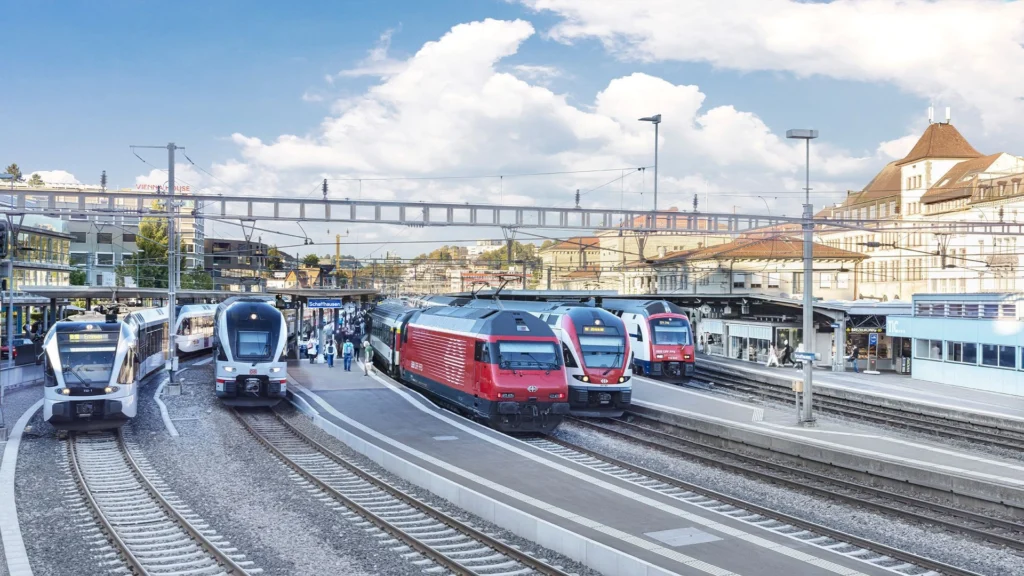
The new service will operate using 10 SBB RABe 531 “Flirt Evo” trains, modern electric trainsets specifically designed for high-performance regional rail operations.
The trains are expected to offer improved passenger comfort, faster acceleration, modern onboard facilities, and smoother travel experiences compared with older rail systems currently operating in the region.
Passengers traveling between Swiss and German destinations will benefit from direct connections that eliminate many existing transfer requirements, making journeys more efficient for commuters, tourists, and business travelers alike.
Rail modernization projects across Europe increasingly emphasize passenger convenience, sustainability, and integrated mobility systems as rail travel demand continues growing.
Cross-Border Connectivity Expected to Strengthen Regional Tourism
The Hochrhein-Bodensee-Express is expected to deliver major benefits for tourism across the Lake Constance region and surrounding destinations.
The route will connect several important tourism hubs including St. Gallen, known for its UNESCO-listed Abbey District; Konstanz, a major lakeside destination on Lake Constance; Schaffhausen, home to the Rhine Falls; and Basel, one of Switzerland’s leading cultural and business centers.
Tourism authorities believe the new rail service will encourage more visitors to explore multiple destinations across Switzerland and southern Germany within a single trip, boosting regional tourism flows and supporting local economies.
The Lake Constance region continues attracting travelers seeking scenic landscapes, historic towns, cultural attractions, and eco-friendly travel experiences. Improved rail connectivity is expected to strengthen the region’s appeal among domestic and international tourists.
Swiss Fare System Integration Simplifies Passenger Experience
One of the key features of the Hochrhein-Bodensee-Express will be its full integration into the Swiss fare system, allowing passengers to use familiar ticketing and payment platforms across the route.
The integration is expected to simplify travel planning, improve convenience, and strengthen interoperability between Swiss Federal Railways services and regional transportation networks.
Passengers will be able to purchase tickets using existing Swiss rail systems while seamlessly connecting with local and international train services throughout the broader region.
Transportation experts increasingly identify integrated ticketing systems as critical components of successful public transportation networks, particularly in cross-border travel corridors where convenience strongly influences traveler behavior.
Sustainable Mobility Gains Momentum Across Europe
The project reflects broader European efforts to strengthen sustainable transportation infrastructure and reduce environmental impacts associated with road and air travel.
High-speed and regional rail projects continue receiving major investment across Europe as governments prioritize low-emission mobility solutions capable of supporting rising travel demand while addressing climate objectives.
By improving travel efficiency and reducing journey times, the Hochrhein-Bodensee-Express is expected to encourage more passengers to choose rail over private vehicles and short-haul flights.
Rail travel continues gaining popularity among environmentally conscious travelers seeking lower-carbon alternatives for both domestic and international journeys.
Economic and Regional Development Benefits Expected
In addition to tourism and environmental advantages, the new rail corridor is expected to strengthen regional economic integration between Switzerland and southern Germany.
Improved transportation access often supports labor mobility, cross-border commerce, business travel, and investment opportunities while increasing accessibility to urban and rural destinations alike.
Local businesses, hospitality operators, and tourism providers across the route are expected to benefit from higher visitor volumes and improved connectivity once the service becomes operational.
The project also demonstrates growing cooperation between Swiss and German transportation authorities focused on expanding efficient and sustainable cross-border mobility networks.
Hochrhein-Bodensee-Express Signals Future of European Rail Travel
As Europe continues investing heavily in rail modernization, the Hochrhein-Bodensee-Express represents another major step toward creating faster, greener, and more integrated transportation systems.
The combination of electrified infrastructure, modern train technology, integrated ticketing, and direct cross-border connections reflects the evolving priorities of the European transportation sector.
Once launched in late 2027, the new service is expected to become a vital transportation link for commuters, tourists, and business travelers while strengthening sustainable travel options throughout the Swiss-German border region.
For more travel news like this, keep reading Global Travel Wire