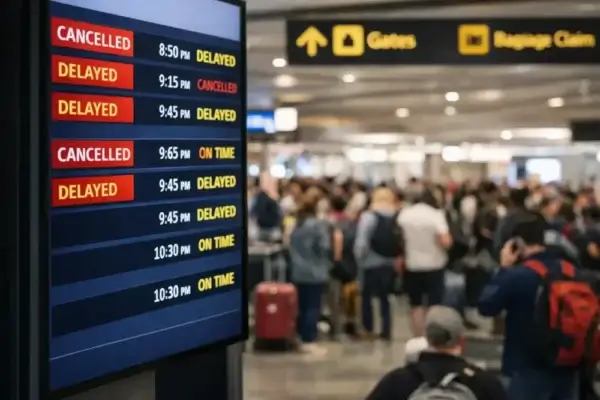
Orlando is experiencing significant travel disruptions during one of its busiest tourism seasons, as Orlando International Airport reports dozens of delays and cancellations affecting major airlines. The situation comes at a critical time when millions of travellers are heading to Central Florida for Spring Break holidays, placing added pressure on the region’s travel infrastructure.
With operations continuing but schedules shifting, passengers are facing longer wait times, last-minute changes, and a need for greater flexibility in their travel plans.
Multiple Airlines Impacted Across the Network
A wide range of airlines operating at Orlando International Airport are affected by the disruptions. Both domestic and international carriers are experiencing delays, reflecting the interconnected nature of modern aviation networks.
Flights operated by major airlines are arriving later than scheduled, while departures are being adjusted or, in some cases, cancelled altogether. Although the number of cancellations remains relatively limited compared to the volume of daily flights, the cumulative effect of delays is creating noticeable challenges for travellers.
These disruptions are not isolated to Orlando but are part of a broader network impact affecting routes across the United States and beyond.
Weather Conditions Trigger Chain Reaction
The primary cause of the disruptions is linked to weather conditions affecting multiple regions of the country. Air travel relies on tightly coordinated schedules, and when flights are delayed at their origin, the impact is felt across the entire network.
Even when weather conditions in Orlando remain stable, delays in other cities can lead to aircraft arriving late, resulting in a domino effect on departures. This interconnected system means that disruptions in one part of the country can quickly influence operations elsewhere.
Airlines are working to adjust schedules and maintain safety, but the complexity of the network makes immediate recovery challenging.
Passenger Experience Shifts During Peak Season
For travellers passing through Orlando International Airport, the experience has changed noticeably. While the airport remains fully operational, the rhythm of travel has slowed, with passengers encountering longer waiting periods and more frequent schedule updates.
Common experiences reported by travellers include:
- Changes to flight status close to departure time
- Extended waiting periods at gates
- Adjusted boarding schedules
- Rebooking onto alternative flights
These changes can be particularly challenging for families and tourists who have carefully planned itineraries.
Impact on Orlando’s Tourism Industry
Orlando is one of the world’s leading tourism destinations, attracting visitors to major attractions such as Walt Disney World Resort, Universal Orlando Resort, and SeaWorld Orlando. During Spring Break, visitor numbers surge, making the smooth operation of air travel especially important.
The current disruptions are having a ripple effect across the tourism sector. Delayed arrivals are leading to adjustments in hotel check-ins, changes to theme park schedules, and rescheduling of transportation services.
Despite these challenges, tourism activity remains strong. Visitors continue to arrive, but many are adapting their plans to accommodate delays and uncertainties.
Domestic and International Travel Affected
Orlando’s role as a major travel hub means that both domestic and international passengers are experiencing the impact of these disruptions. Flights from major U.S. cities as well as international destinations are arriving later than planned, with some travellers being rerouted through alternative hubs.
Airlines are continuing to operate, but tighter turnaround times and operational adjustments are contributing to delays. For international travellers, these disruptions can also affect connecting flights and onward travel plans.
Airport Operations Continue Amid Pressure
Despite the challenges, Orlando International Airport remains open and fully functional. Security screening, baggage handling, and ground transportation services are operating as normal, although passenger flow within the terminals has become less predictable.
With delays affecting both arrivals and departures, crowd patterns are shifting throughout the day. Peak congestion periods are becoming harder to anticipate, requiring passengers to stay alert and prepared for changes.
Airport authorities are working to manage the situation, ensuring that essential services continue while accommodating high passenger volumes.
Travel Tips for Navigating the Disruptions
Travellers heading to Orlando during this busy period are being encouraged to take proactive steps to minimise inconvenience. Staying informed and flexible is key to navigating the current situation.
Recommended strategies include:
- Checking flight status frequently through airline apps
- Arriving at the airport earlier than usual
- Keeping notifications enabled for real-time updates
- Allowing extra time between connecting flights or activities
These measures can help travellers adapt to changing schedules and reduce stress during their journey.
Economic Implications for Central Florida
The travel disruptions also have economic implications for the region. Orlando’s economy relies heavily on tourism, and even minor delays can influence visitor spending patterns.
Hotels, restaurants, and attractions may experience shifts in demand as travellers adjust their plans. However, the overall resilience of Orlando’s tourism sector is helping to maintain steady activity despite the challenges.
The ability of businesses to adapt quickly to changing conditions is playing a crucial role in sustaining the local economy.
What Lies Ahead for Orlando Travel
As Spring Break travel continues, Orlando International Airport is expected to remain busy. Flight schedules may continue to evolve depending on weather patterns and how quickly airline networks stabilise.
While the current disruptions are creating challenges, they also highlight the importance of flexibility and preparedness in modern travel. The aviation industry is working to restore normal operations, but passengers should remain aware that delays may persist in the short term.
A Dynamic Travel Environment
The situation at Orlando International Airport reflects the dynamic nature of global travel, where external factors such as weather can have widespread effects. For travellers, the key to navigating this environment is staying informed, planning ahead, and remaining adaptable.
As Orlando continues to welcome visitors from around the world, the focus remains on ensuring that travel experiences remain positive despite temporary disruptions.
For more travel news like this, keep reading Global Travel Wire