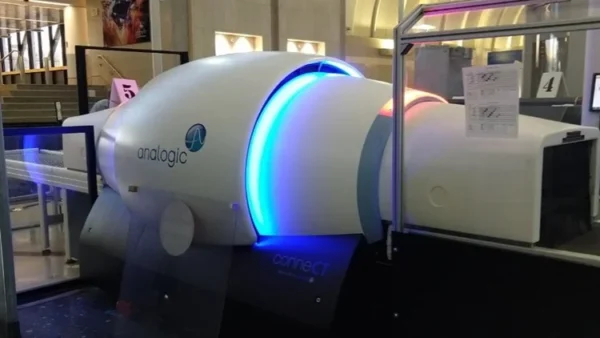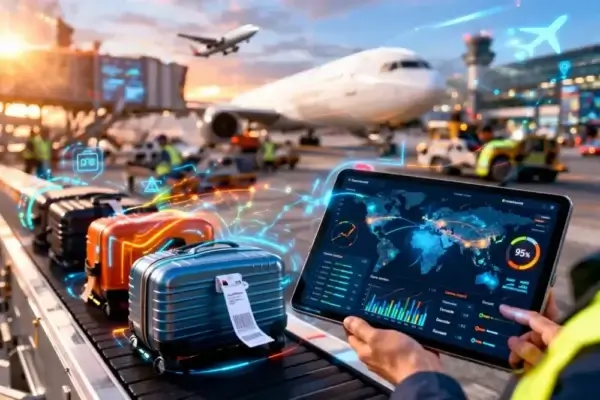
The aviation sector is entering a new phase of innovation in 2026. Airlines and airports are adopting predictive systems to improve baggage handling. The launch of SITA Bag Radar marks a major step in this transformation.
This new platform uses advanced analytics to identify risks before they disrupt operations. It helps airlines detect issues such as delays, missed connections, and bottlenecks. As global passenger numbers increase, this technology becomes essential.
Travelers expect smooth journeys without baggage issues. Therefore, airlines must improve efficiency and reliability across their operations.
SITA Bag Radar Introduces Proactive Baggage Intelligence
SITA Bag Radar is a cloud-based system designed to analyze baggage data. It converts large volumes of information into actionable insights. This approach allows airlines to prevent problems rather than react to them.
The system monitors baggage movement in real time. It also studies historical data to identify patterns. These insights help predict potential disruptions before they occur.
This shift from reactive to proactive management represents a major change. It improves operational efficiency and enhances passenger satisfaction.
Rising Travel Demand Increases Pressure on Airports
Global travel demand continues to grow rapidly. Airports and airlines handle millions of bags every day. This increase creates challenges for baggage management systems.
Complex airline networks make tracking luggage more difficult. Bags often pass through multiple airports and handlers. Even small delays can lead to larger disruptions.
As a result, efficient baggage handling has become a priority. Airlines must adopt advanced technology to manage this complexity.
Predictive Analytics Improves Operational Efficiency
Predictive analytics plays a key role in modern aviation systems. It allows airlines to identify risks before they impact passengers. By analyzing data, the system detects unusual patterns and potential issues.
For example, the platform can identify high-risk transfer points. It can also detect delays in baggage processing. These insights allow teams to take action quickly.
Airlines can reroute luggage or allocate additional resources. This proactive approach reduces delays and improves efficiency.
Artificial Intelligence Enhances Decision-Making
Artificial intelligence drives the core functionality of SITA Bag Radar. AI systems process large amounts of data بسرعة and accurately. They identify trends and predict future outcomes.
These systems continue to learn and improve over time. As more data becomes available, predictions become more accurate.
AI transforms raw data into meaningful insights. This capability supports faster and better decision-making in airport operations.
Seamless Integration With Existing Airport Systems
One of the strengths of this technology lies in its compatibility. SITA Bag Radar integrates with existing baggage systems. Airlines do not need to replace their current infrastructure.
The platform connects with multiple data sources. These include baggage tracking systems and flight operations tools. This integration ensures smooth adoption and minimal disruption.
Airports can enhance their operations without major investments. This flexibility makes the system attractive for global adoption.
Real-Time Insights Support Operational Teams
Operational teams use dashboards to monitor baggage performance. These dashboards provide clear and detailed information. Teams can identify issues and respond quickly.
For example, if a bottleneck occurs, staff can adjust workflows. They can also deploy additional resources to manage the situation.
Real-time insights improve coordination across different teams. This leads to faster problem resolution and better efficiency.
Benefits for Airlines and Airport Operations
The adoption of predictive baggage technology offers several advantages. Airlines can reduce the number of lost or delayed bags. This improvement lowers compensation costs and improves customer satisfaction.
Airports benefit from smoother operations and reduced congestion. Efficient baggage handling improves overall performance. It also enhances the travel experience for passengers.
These improvements support long-term growth in the aviation sector.
Passengers Experience Smoother Travel Journeys
For travelers, the benefits are clear and immediate. They experience fewer delays and fewer lost bags. This improvement reduces stress during travel.
Passengers can enjoy more reliable connections between flights. Their luggage arrives on time more often.
Although the technology operates behind the scenes, its impact is significant. It enhances confidence in air travel and improves overall satisfaction.
Scalable Technology Supports Global Aviation Networks
SITA Bag Radar is designed for global use. Airlines can implement it across entire networks or specific locations. This flexibility allows gradual adoption based on needs.
Organizations can start with basic data analysis and expand over time. They can add real-time monitoring and predictive features as required.
This scalable approach supports growth and adaptation in the aviation industry.
Future of Aviation Relies on Data and Innovation
The introduction of predictive baggage systems reflects a broader trend. Aviation is moving toward data-driven operations. Airlines and airports rely on technology to improve efficiency and reduce risks.
As systems become more advanced, automation will play a larger role. AI and analytics will continue to shape the future of travel.
These innovations will help the industry handle increasing demand. They will also improve service quality for passengers.
Conclusion
SITA Bag Radar represents a major advancement in aviation technology. It introduces predictive intelligence to baggage management systems. This approach improves efficiency and reduces disruptions.
Airlines and airports can now prevent problems before they occur. This capability enhances both operational performance and passenger experience.
As travel demand continues to grow, such innovations will become essential. The future of aviation will depend on smart, data-driven solutions that deliver reliable and seamless journeys.
For more travel news like this, keep reading Global Travel Wire