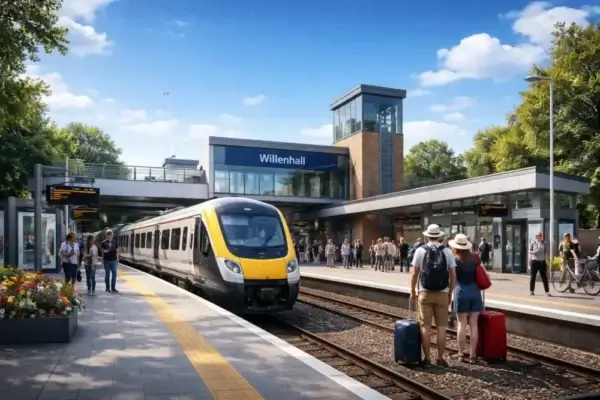
The West Midlands is set to strengthen its position as a major tourism and transport hub with the approval of two new railway stations at Willenhall and Darlaston. The decision by the Office of Rail and Road marks a significant step forward in improving regional connectivity and unlocking new travel opportunities for both residents and visitors.
These stations are the first phase of a broader regional rail development plan and will be integrated into the existing Shrewsbury to Birmingham New Street route. Once operational, they are expected to make travel across key destinations such as Wolverhampton, Shrewsbury, and Birmingham more efficient and accessible. This enhanced connectivity is anticipated to reshape how tourists explore the region.
A Major Step for Regional Connectivity
The authorisation confirms that both stations meet strict requirements related to safety, accessibility, and environmental standards. This milestone ensures that passengers can expect a modern, reliable, and user-friendly travel experience.
The inclusion of Willenhall and Darlaston in the hourly rail service significantly reduces travel barriers between smaller towns and major urban centres. For tourists, this means easier access to a diverse range of attractions without the need for extensive road travel. The improved rail links are also expected to reduce journey times and simplify multi-destination travel itineraries across the West Midlands.
Accessibility at the Core of Development
One of the standout features of the new stations is their focus on inclusivity. Both locations will offer step-free access through the installation of lifts and improved station layouts. This ensures that passengers with reduced mobility, families with prams, and elderly travelers can move through the stations comfortably.
Accessibility improvements are increasingly important in modern tourism, as destinations aim to cater to a wider range of visitors. By prioritising inclusive infrastructure, the West Midlands is aligning with global tourism trends that emphasize ease of movement and equal access for all.
Opening Doors to Local Heritage and Attractions
The introduction of these stations creates new gateways to explore the cultural richness of the region. Willenhall, known historically for its lock-making industry, offers visitors a chance to discover its industrial legacy through sites like the Willenhall Lock Museum. This niche attraction provides insight into traditional craftsmanship that once played a vital role in Britain’s industrial economy.
Meanwhile, Darlaston serves as a convenient entry point to the historic Black Country, an area renowned for its deep industrial roots and evolving cultural identity. Tourists can explore heritage centres, restored industrial sites, and community-led attractions that reflect the region’s transformation over time.
With improved rail access, travelers can also seamlessly reach Birmingham’s major highlights, including the Birmingham Museum and Art Gallery and the National SEA LIFE Centre Birmingham. These attractions continue to draw domestic and international visitors, and better transport links will likely increase footfall.
Supporting Sustainable Tourism Growth
Sustainability is a key consideration in the development of these stations. Modern rail infrastructure is designed to reduce environmental impact, and encouraging rail travel over car use plays a crucial role in lowering emissions.
By improving access to public transport, the project supports broader environmental goals across the UK. Fewer cars on the road can help ease congestion, improve air quality, and promote greener travel habits among both locals and tourists. This aligns with the growing demand for eco-friendly tourism options, where visitors actively seek destinations that prioritise sustainability.
Economic Benefits for Local Communities
Beyond tourism, the new stations are expected to deliver meaningful economic advantages. Increased visitor numbers can lead to higher spending in local businesses, including restaurants, retail outlets, and accommodation providers. This creates opportunities for job growth and supports small enterprises within the community.
For residents, improved rail connectivity means better access to employment, education, and healthcare in larger cities. This dual benefit—serving both tourists and locals—positions the stations as vital infrastructure investments that contribute to long-term regional development.
Darlaston, in particular, stands to benefit from renewed interest as improved accessibility attracts both investors and visitors. The area’s industrial heritage combined with emerging business potential makes it an attractive destination for regeneration and growth.
A Glimpse into the Future of West Midlands Travel
The opening of Willenhall and Darlaston stations represents just the beginning of a wider rail expansion strategy. Additional stations are planned in the coming years, further strengthening the region’s transport network and enhancing its appeal as a tourism destination.
As the West Midlands continues to invest in modern, efficient, and sustainable infrastructure, it is positioning itself as a leading example of integrated regional travel. For tourists, this means more convenient routes, better access to attractions, and a smoother overall travel experience.
With these developments, the region is not only improving mobility but also redefining how visitors engage with its cities, towns, and heritage sites. The enhanced rail network is expected to play a key role in shaping the future of tourism in the West Midlands, making it more accessible, inclusive, and environmentally responsible.
For more travel news like this, keep reading Global Travel Wire