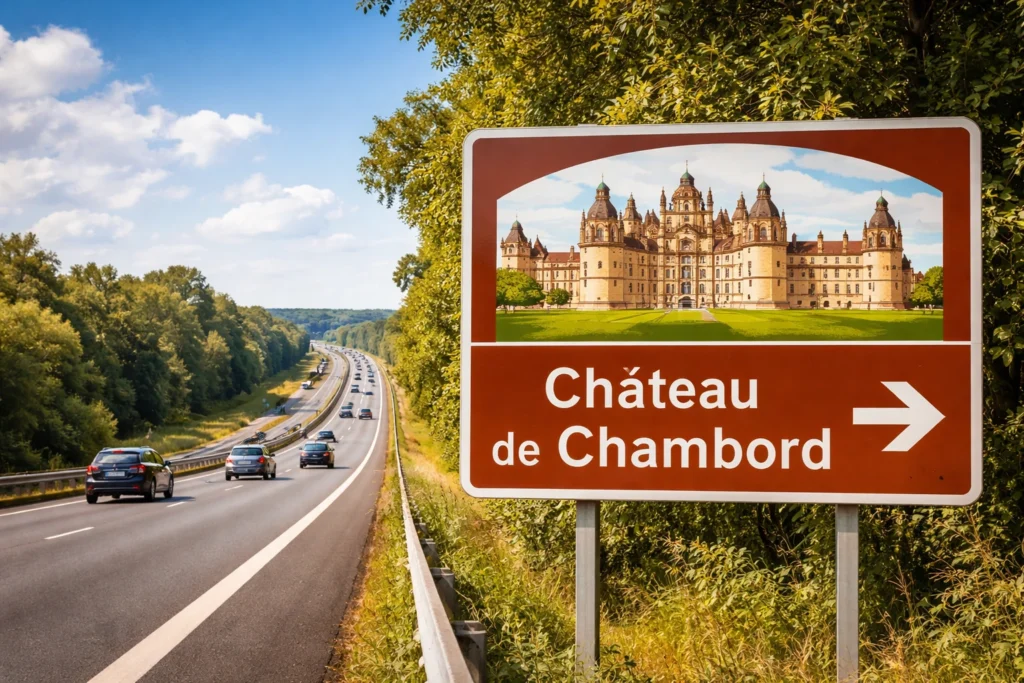
France has transformed its highways into cultural experiences through its iconic brown road signs. These signs guide travelers beyond navigation and into discovery. They highlight history, heritage, and regional identity across the country.
Drivers now experience a journey filled with stories and visuals. Each sign introduces a landmark, tradition, or cultural feature. Travelers often feel inspired to explore beyond their planned routes. This unique system enhances the overall tourism experience across France.
A Unique Concept That Began in 1972
France introduced brown road signs in 1972 to promote tourism and culture. Authorities aimed to guide travelers toward important landmarks and attractions. These signs quickly became a distinctive feature of French highways.
Initially, the signs focused on monuments, vineyards, and scenic landscapes. Over time, they expanded to include local traditions and regional specialties. This evolution allowed travelers to gain deeper insight into France’s diversity.
The initiative also supported regional tourism growth. Smaller towns and lesser-known attractions gained visibility through these signs. As a result, travelers discovered places they might have otherwise missed.
Simple Designs That Capture Attention
The early design of the brown signs focused on simplicity and clarity. Designers created symbols that drivers could understand instantly. These pictograms helped travelers recognize destinations even at high speeds.
Common visuals included castles, grapes, and coastal elements. Each symbol represented a specific region or attraction. This approach made the signs both practical and visually engaging.
The simplicity also encouraged curiosity among drivers. Many travelers chose to stop and explore after spotting these signs. This behavior added spontaneity to road trips across France.
A Shift Toward Artistic and Detailed Visuals
In 1984, designers introduced more detailed and artistic versions of the signs. These new designs included vibrant illustrations and richer colors. They offered clearer representations of landmarks and cultural features.
Artists added depth and personality to each sign. Travelers could now recognize famous locations with greater ease. The signs became more than navigation tools; they became visual storytelling elements.
This artistic shift enhanced the appeal of road travel in France. Drivers now engage with culture even while driving at high speeds. The signs create a dynamic and immersive travel experience.
Showcasing Heritage and Historical Memory
France uses these signs to preserve and share its history. Many signs highlight important historical sites and events. They remind travelers of both proud and painful moments in the nation’s past.
For example, some signs point toward memorials linked to World War II. These locations honor victims and educate visitors about history. Travelers gain awareness while continuing their journeys.
The signs also celebrate architectural heritage and cultural achievements. They showcase monasteries, castles, and historic towns. This approach ensures that history remains visible and relevant.
Supporting Tourism Across Regions
Brown road signs play a key role in boosting tourism across France. They guide travelers toward both famous landmarks and hidden gems. This distribution helps balance tourism across regions.
Small towns benefit greatly from this exposure. Visitors often stop to explore local attractions, restaurants, and markets. This activity supports local economies and communities.
The signs also encourage longer travel routes. Tourists often extend their journeys to visit highlighted locations. This behavior increases overall tourism engagement in the country.
Modern Updates Enhance Cultural Storytelling
In recent years, France has updated many of its road signs. Authorities now collaborate with artists and designers to improve visual quality. These updates bring fresh energy to the signage system.
New designs include references to notable figures and cultural icons. Travelers can learn about writers, artists, and historical personalities. This addition enriches the educational value of the signs.
The updates also reflect modern tourism trends. Travelers now seek deeper cultural connections during their trips. France’s signage system responds effectively to this demand.
Promoting Safe and Engaging Road Travel
The brown signs also contribute to road safety. They encourage drivers to stay alert and engaged during long journeys. Visual elements break the monotony of highway driving.
France maintains strict speed limits on motorways. Despite high speeds, the signs remain easy to understand. Their clear design ensures quick recognition without distraction.
This balance between safety and engagement makes the system highly effective. Drivers enjoy a smoother and more enriching travel experience.
Why These Signs Matter for Modern Tourism
Modern travelers seek meaningful and immersive experiences. France’s brown road signs meet this demand by combining travel and learning. They transform highways into open-air cultural galleries.
Travelers now value experiences that go beyond traditional sightseeing. These signs introduce them to culture before they even reach a destination. This approach builds anticipation and curiosity.
The system also supports sustainable tourism. It spreads visitor traffic across multiple regions instead of concentrating it in major cities. This balance benefits both travelers and local communities.
A Timeless Feature of France’s Travel Identity
France’s brown road signs have become an essential part of its tourism identity. They offer a unique blend of practicality and storytelling. Travelers experience culture with every mile they drive.
These signs continue to evolve while maintaining their original purpose. They guide, inform, and inspire travelers across the country. Their presence ensures that every journey feels meaningful.
France has successfully turned simple road signs into powerful tourism tools. The country now offers one of the most engaging road travel experiences in the world.
For more travel news like this, keep reading Global Travel Wire