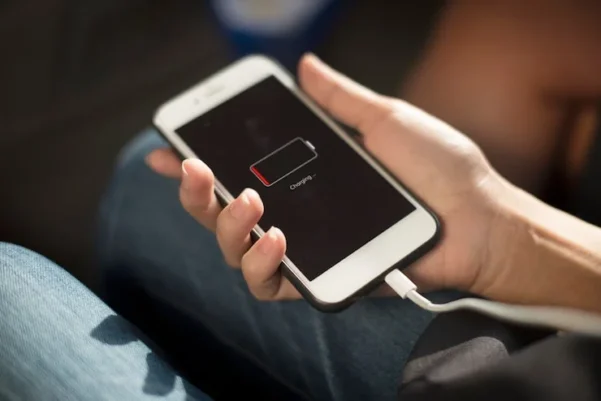
Travellers departing from UK airports should ensure their phones, laptops and other electronic devices have enough charge for security checks. Government guidance allows officers to ask passengers to switch on equipment. If a device cannot power on when requested, it will be refused permission to travel on the aircraft.
The requirement matters for holidaymakers and business travellers who depend on digital boarding passes, hotel confirmations and payment apps. A depleted battery could create an unexpected problem at screening, particularly when passengers have little time before boarding.
Security Officers Can Request a Power-On Check
Electronic equipment commonly carried in hand luggage may undergo additional examination during airport screening. Officers can ask passengers to demonstrate that an item works before allowing it through.
Phones, tablets, laptops and cameras are among the devices travellers should prepare. Keeping enough charge to start the equipment allows passengers to respond if staff request a functionality check.
The check applies when requested by security personnel. Passengers should keep devices accessible and follow instructions about presenting equipment for inspection.
A device’s inclusion on a permitted-items list remains subject to the screening process and any applicable battery restrictions.
The Requirement Dates Back to Earlier Security Measures
The power-on requirement forms part of established UK aviation security procedures. The Department for Transport announced additional electronic equipment checks in July 2014.
Government hand luggage guidance continues to tell passengers to charge their devices before travelling. Its practical importance has grown as more parts of a journey move onto smartphones.
One phone may now hold a boarding pass, airport transfer details, accommodation reservations and contact information. Losing access to it during screening could complicate several stages of the same trip.
For business passengers, laptops and tablets may also contain presentation materials or essential work documents.
What Happens When a Device Cannot Switch On?
Government guidance states that equipment which cannot switch on when requested will be refused carriage on the aircraft.
The options available at that point depend on airport procedures and the circumstances of the check. Passengers can ask security staff whether charging the device or making another permitted arrangement is possible.
Access to a charger, a suitable socket or additional time may be limited. Preparing equipment before reaching security therefore gives travellers greater control over the situation.
Anyone carrying an older camera, spare phone or rarely used tablet should check its battery before packing.
Power Banks Require Separate Packing Checks
Portable power banks bring another set of considerations because aviation rules treat them as spare lithium batteries. They belong in cabin baggage and require protection against short circuits.
Passengers should check the capacity printed on each unit and review their operating airline’s current conditions. Limits can cover battery capacity, the number carried and whether the device may be used during flight.
Travellers should also check any restrictions on charging power banks aboard the aircraft. An airline’s instructions may affect how passengers plan to keep their phones powered during a long journey.
If cabin baggage is transferred to the aircraft hold, passengers should tell staff about spare batteries and power banks inside.
Charge Devices Before Leaving for the Airport
Charging equipment at home or at a hotel reduces reliance on terminal facilities. Passengers with lengthy transfers to the airport should preserve enough battery for screening and boarding.
Streaming, navigation and video calls can consume a substantial charge before departure. Carrying the correct charging cable helps, although travellers should allow time for any charging they need.
Organising equipment also makes screening easier. Devices should be packed where passengers can retrieve them promptly when staff request an inspection.
Families carrying several phones, tablets and gaming devices should check each item individually before setting off.
Keep Essential Journey Details Accessible
A charged phone supports much more than the security check. It helps travellers receive gate changes, contact transport providers and retrieve booking information.
Keeping an additional accessible copy of essential details can help if a device becomes unavailable. A printed boarding pass, where accepted, or written accommodation information may provide a practical backup.
Passengers travelling for work can also confirm how they would access important documents if their main device failed.
The immediate preparation is straightforward. Check each device’s charge, review airline battery requirements and leave enough time for screening. These steps can help holidaymakers and business travellers keep their equipment—and their journey—ready for departure.
For more travel news like this, keep reading Global Travel Wire