Escalating tensions between Iran and the United States are now affecting tourism across the Gulf. Dubai, known for luxury travel, is facing growing uncertainty. Security fears are influencing travel decisions, especially in high-profile destinations.
Palm Jumeirah, one of Dubai’s most iconic locations, is at the center of these concerns. Tourists are reacting cautiously as geopolitical risks increase. This shift is starting to impact bookings and travel demand.
Iranian Threats Raise Regional Security Concerns
Iran’s evolving tactics are increasing pressure on Gulf nations. Authorities across Bahrain, Kuwait, Qatar, Saudi Arabia, and the UAE are closely monitoring threats. These risks now extend beyond military targets.
Hotels linked to foreign governments or international interests are facing heightened scrutiny. Travelers are becoming more aware of these developments. As a result, confidence in the region’s safety is declining.
This situation is reshaping how tourists view Gulf destinations. Safety now plays a larger role in travel planning than before.
Palm Jumeirah Faces Growing Risk Perception
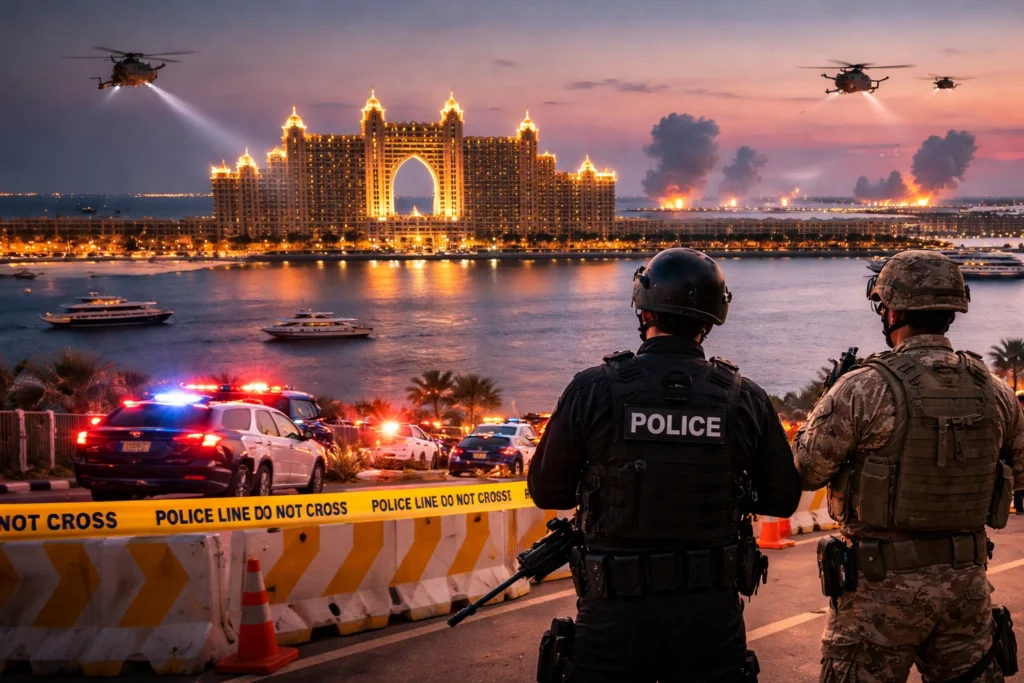
Palm Jumeirah stands as a global symbol of luxury tourism. The island attracts visitors from around the world. However, recent events have placed it under increased attention.
Missile interceptions near the area have raised concerns among travelers and operators. Reports of visible damage to hotel structures have added to the anxiety. Even without direct targeting, the perception of risk has increased.
The island’s location near major maritime routes adds another layer of concern. Authorities and businesses are now reassessing safety protocols to address these risks.
Decline in Tourist Confidence Impacts Bookings
Travelers are reacting quickly to security developments. Many are reconsidering trips to Dubai and nearby destinations. This shift is causing a noticeable drop in hotel bookings.
Luxury travelers, who form a key part of Dubai’s tourism market, are especially cautious. Visitors from Europe, North America, and Asia are delaying or cancelling travel plans.
Travel advisories from several countries are reinforcing these decisions. Governments are urging citizens to evaluate risks before traveling to the region.
Flight Disruptions Add to Travel Uncertainty
Air travel across the Gulf is also facing disruptions. Airlines are adjusting routes to avoid potential conflict zones. These changes are affecting schedules and travel times.
Flight cancellations and rerouting are becoming more frequent. Travelers now face longer journeys and increased uncertainty. This situation is discouraging spontaneous travel plans.
Airspace restrictions are adding pressure to an already strained travel network. These disruptions highlight how geopolitical tensions can quickly impact global mobility.
Hospitality Sector Faces Financial Pressure
Hotels across Dubai are experiencing financial strain due to declining occupancy rates. Major international chains are feeling the impact of reduced demand. Lower bookings are affecting revenue across the sector.
At the same time, operational costs are rising. Hotels are investing more in security measures to protect guests and staff. Insurance premiums are also increasing due to higher perceived risks.
These combined pressures are reducing profit margins. Businesses are now working to balance safety investments with financial stability.
Luxury Tourism Model Faces New Challenges
Dubai has built its reputation on luxury and comfort. However, current conditions are challenging this model. Tourists now prioritize safety alongside luxury experiences.
High-end travelers expect both comfort and security during their stays. Any uncertainty can influence their destination choices. This shift is forcing the industry to adapt quickly.
Hotels and tourism operators are enhancing safety measures. They are also improving communication to reassure guests. These efforts aim to restore confidence in the destination.
Industry Response Focuses on Safety and Trust
Tourism authorities and hotel operators are taking coordinated action. They are strengthening crisis management strategies and security protocols. Collaboration with local authorities has increased significantly.
Hotels are conducting regular safety assessments and training staff for emergency situations. These steps aim to ensure preparedness and protect guests.
Clear communication with travelers is also a priority. Transparency helps build trust and reduce uncertainty. This approach is essential for maintaining Dubai’s global reputation.
Future Outlook Depends on Stability
The future of tourism in Dubai depends on regional stability. Continued tensions could prolong the current challenges. However, effective management can help mitigate long-term damage.
Dubai’s strong infrastructure and global appeal remain key advantages. The city has previously shown resilience during crises. This experience may support recovery efforts once conditions improve.
Tourism strategies may also evolve to focus more on safety-driven marketing. Destinations will need to highlight both luxury and security to attract visitors.
Final Thoughts
Security concerns linked to rising Iran tensions are reshaping tourism in Dubai. Palm Jumeirah, once a symbol of luxury, now faces increased scrutiny from travelers.
Declining bookings, flight disruptions, and rising costs are creating challenges for the hospitality sector. However, proactive measures by authorities and businesses may help stabilize the situation.
Dubai’s ability to adapt will determine its recovery path. Balancing safety with luxury will remain essential as the tourism industry navigates this uncertain period.
For more travel news like this, keep reading Global Travel Wire