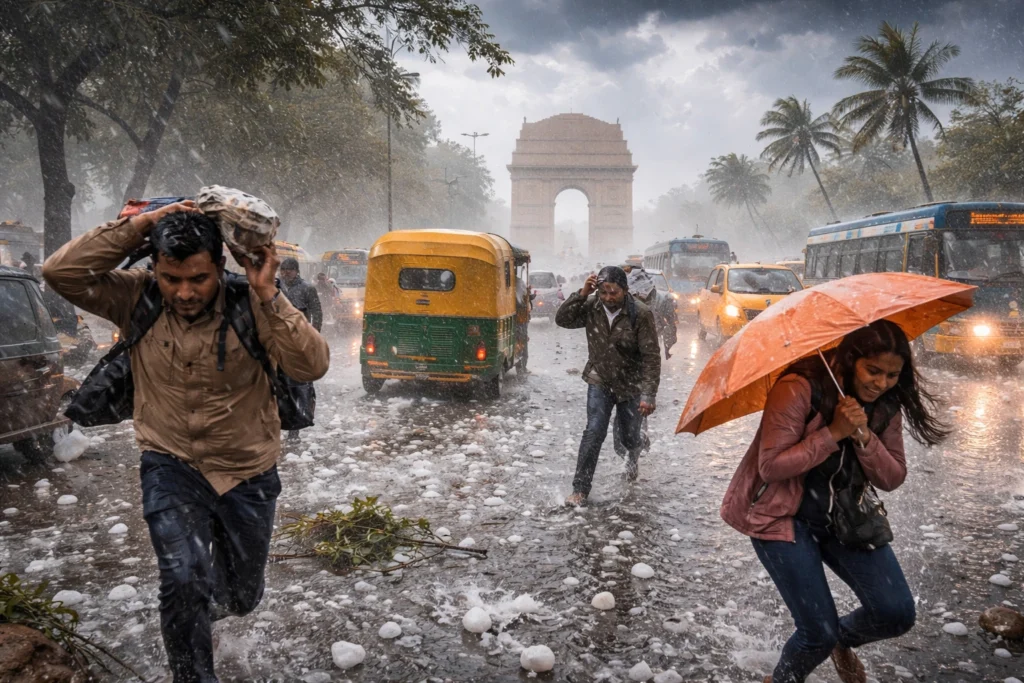
India is preparing for a major weather event in early April 2026. The India Meteorological Department has issued alerts for several northern states.
Punjab, Haryana, Delhi, Rajasthan, and parts of Uttar Pradesh will face intense weather conditions. Authorities expect heavy rain, hailstorms, and strong winds.
The weather system will peak on April 3 and 4. Officials have urged residents to remain alert and take precautions.
Understanding Western Disturbances
Western Disturbances originate from the Mediterranean region. These systems carry moisture and move toward the Indian subcontinent.
They interact with local weather patterns and create storms, rainfall, and temperature drops. These disturbances occur mainly between October and April.
This system plays a key role in shaping winter and early spring weather. It often brings sudden and intense changes.
The current disturbance ranks as moderate to strong. It will affect multiple regions simultaneously.
Heavy Rainfall and Thunderstorms Expected
The affected regions will experience widespread rainfall. Cities such as Delhi, Chandigarh, Jaipur, and Amritsar will see moderate to heavy showers.
Thunderstorms will accompany the rain. Lightning and sudden downpours may create hazardous conditions.
Low-lying areas may face waterlogging and localized flooding. Drivers may encounter reduced visibility and slippery roads.
These conditions will disrupt daily routines and outdoor activities.
Hailstorms Threaten Crops and Property
Hailstorms pose a major risk during this weather event. Ice pellets can damage crops, vehicles, and buildings.
Farmers in Punjab, Haryana, and Rajasthan face significant risks. Crops such as wheat, mustard, and pulses remain vulnerable.
Hailstorms during critical growth stages can cause severe losses. Farmers have been advised to protect their fields immediately.
This threat adds pressure on the agricultural sector.
Strong Winds and Temperature Drop
The disturbance will bring gusty winds ranging from 30 to 40 km/h. These winds can uproot trees and damage infrastructure.
Outdoor activities may become unsafe during peak conditions. Construction sites and open areas face higher risks.
Temperatures will also drop significantly. Cities like Delhi and Jaipur may see a decrease of up to 8°C.
This sudden cooling will create discomfort for residents.
Travel Disruptions Across Air, Rail, and Road
Severe weather will disrupt travel across northern India. Airports in Delhi, Jaipur, and Chandigarh may face delays and cancellations.
Poor visibility and thunderstorms will affect flight operations. Passengers should check updates before traveling.
Road travel will also face challenges. Rain and hail can reduce visibility and create slippery conditions.
Rail services may experience delays due to safety concerns. Travelers should prepare for schedule changes.
Impact on Tourism and Local Movement
Tourism activities may slow during the disturbance period. Outdoor attractions and travel plans may face interruptions.
Visitors in affected regions may need to adjust their itineraries. Hotels and travel operators may also face cancellations.
However, these disruptions remain temporary. Travel activity will likely recover after the weather stabilizes.
The situation highlights the importance of weather preparedness in tourism.
Authorities Strengthen Safety Measures
Local authorities have increased preparedness across affected states. Emergency response teams remain on standby.
Officials have issued safety guidelines for residents. People should avoid unnecessary travel during peak storms.
Residents should secure loose objects and stay indoors during severe conditions. Following official updates remains essential.
Preparedness can reduce risks and ensure safety.
Importance of Staying Informed
Weather conditions can change quickly during such events. Residents and travelers must stay updated through official channels.
Mobile alerts, news updates, and government advisories provide critical information. Early awareness helps people make informed decisions.
Planning ahead can reduce inconvenience and ensure safety.
Conclusion
India faces a significant weather challenge due to the incoming Western Disturbance. Heavy rain, hailstorms, and strong winds will impact daily life.
Travel, agriculture, and infrastructure may face temporary disruptions. Authorities continue to monitor the situation closely.
With proper precautions and awareness, residents can navigate this period safely. The situation highlights the need for preparedness during extreme weather events.
For more travel news like this, keep reading Global Travel Wire