The United Arab Emirates has ended its visa grace period. This decision has triggered a major travel crisis for expatriates worldwide.
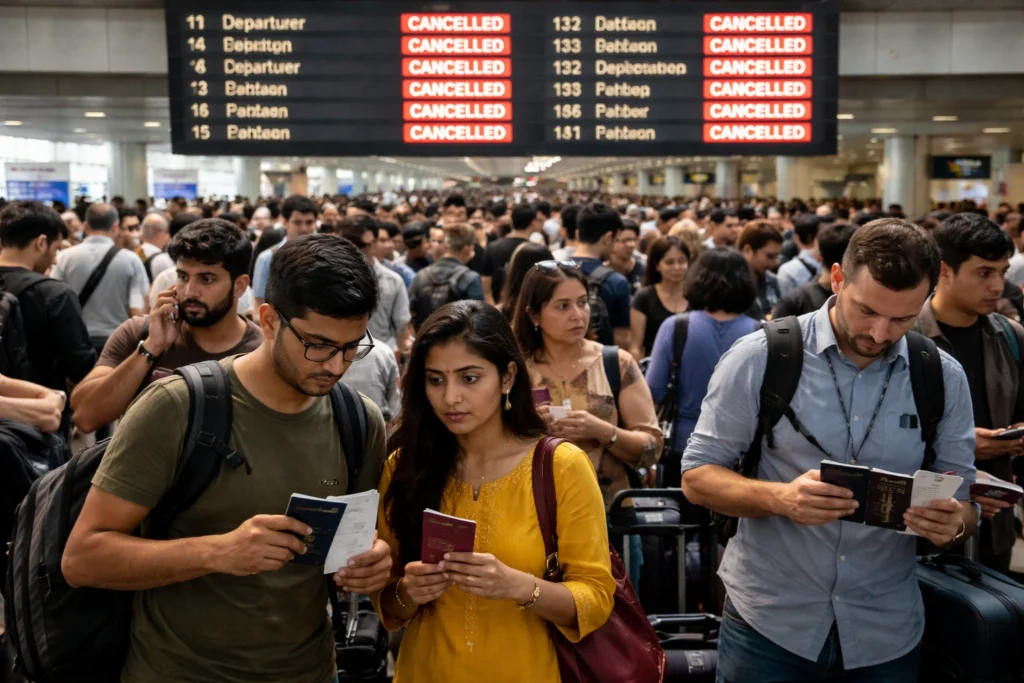
Thousands of travelers now face overstay fines and complex re entry rules. Ongoing flight disruptions have made the situation even worse.
Countries across Europe, Asia, and North America now feel the impact. Travelers must navigate strict regulations and limited flight options.
Expats Race Against Time as Rules Reset
The UAE introduced the grace period to support stranded travelers. Airspace closures had prevented many from returning earlier.
Now that the deadline has passed, standard visa rules apply again. Travelers must secure new permits or face penalties.
This sudden shift has created urgency among expatriates. Many now rush to arrange travel and complete paperwork.
Flight Disruptions Continue to Limit Travel Options
Airlines continue to face operational challenges across the region. Flight cancellations and rerouted journeys remain common.
Travelers often rely on indirect routes through multiple countries. These journeys increase both travel time and costs.
Limited seat availability adds further pressure. Many passengers struggle to secure confirmed bookings.
Azerbaijan Faces Complex Re Entry Challenges
Travelers from Azerbaijan have faced severe disruptions. Many remain stranded across neighboring regions.
Indirect routes through Europe and Asia have increased travel complexity. Costs have risen significantly due to longer journeys.
Now, travelers must also handle visa renewals and penalties. This situation has created financial and logistical strain.
India Experiences Large Scale Impact
India has one of the largest expatriate populations in the UAE. Thousands of Indian nationals have struggled to return.
High demand and limited flights have created major delays. Many travelers missed the grace period deadline.
Now, they must apply for new visas and manage additional costs. This situation affects workers and families alike.
Europe Faces Widespread Travel Disruptions
European travelers have also encountered significant challenges. Countries like the UK, Germany, Italy, and France report delays.
Limited direct flights have forced travelers to take indirect routes. This has increased travel time and expenses.
Families face added complications due to visa requirements. Many must secure permits for multiple dependents.
Asia Pacific Travelers Navigate Complex Routes
Travelers from Asia Pacific regions have also faced disruptions. Countries like Japan, Singapore, and Australia report delays.
Airspace restrictions have reduced direct connectivity. Travelers must rely on connecting flights through other hubs.
This situation increases uncertainty and travel costs. It also complicates re entry planning for expatriates.
Low Income Workers Face Greater Challenges
Workers in construction and service sectors face serious difficulties. Many cannot afford the rising costs of re entry.
Visa renewal fees and travel expenses create financial pressure. These challenges affect workers from South Asia and other regions.
Employers must also manage workforce disruptions. This situation impacts productivity and operations.
Businesses Struggle with Workforce Mobility
Companies in the UAE rely heavily on international workers. The visa deadline has disrupted workforce mobility.
Employers must now ensure compliance with visa regulations. They also need to support employees facing travel delays.
This situation adds complexity to business operations. It also highlights the importance of flexible mobility systems.
Travel Industry Feels Ripple Effects
The crisis has affected airlines, travel agencies, and tourism services. Reduced passenger movement impacts revenue across sectors.
Airlines must manage fluctuating demand and route changes. Travel companies must assist clients with complex itineraries.
These disruptions highlight the interconnected nature of global travel. One policy change can affect multiple industries.
Travelers Must Adapt to Changing Conditions
Travelers now need to plan carefully and stay informed. They must monitor visa requirements and flight updates closely.
Flexibility has become essential in this environment. Travelers must remain ready to adjust plans quickly.
Preparation can reduce risks and improve travel outcomes. Awareness remains the key to navigating this crisis.
Future Outlook Remains Uncertain
The situation continues to evolve as airspace conditions change. Travel restrictions and disruptions may persist in the coming months.
Authorities may introduce new measures to manage mobility challenges. Travelers and businesses must stay prepared for updates.
The UAE visa policy shift marks a major moment in global travel. It reflects how quickly international mobility can change.
For more travel news like this, keep reading Global Travel Wire