Hong Kong is witnessing a significant surge in travel activity during the Easter and Ching Ming Festival holidays, with outbound departures far exceeding inbound arrivals. According to official estimates from the Immigration Department, millions of passenger movements are expected across control points during the festive period, highlighting a dynamic shift in regional tourism patterns.
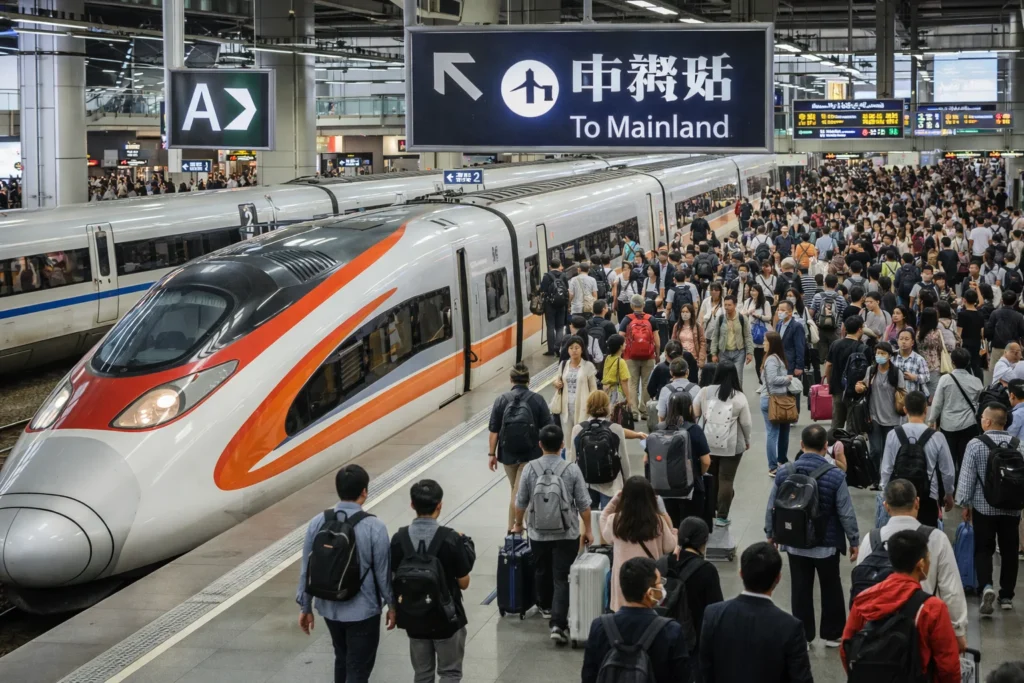
The holiday season has brought a noticeable increase in cross-border travel, particularly through high-speed rail connections linking Hong Kong with mainland China. At major transport hubs such as West Kowloon station, inbound trains from mainland cities have been operating at high capacity, bringing in a steady flow of visitors taking advantage of the short Ching Ming Festival break.
Tourism authorities have noted that mainland visitors are largely opting for short stays, with many planning day trips focused on shopping, sightseeing, and experiencing Hong Kong’s urban attractions. Popular destinations include areas such as Victoria Harbour, Mong Kok, and waterfront promenades, which continue to draw visitors seeking a vibrant city experience.
However, the volume of outbound travel from Hong Kong has been significantly higher. Residents are making the most of the Easter holiday to travel abroad or visit mainland destinations, resulting in a fourfold difference between departures and inbound arrivals. This trend reflects longstanding travel patterns during major holidays, where outbound tourism traditionally peaks.
Government data indicates that approximately 6.44 million passenger trips are expected during the combined holiday period. To manage this surge, authorities have deployed additional staff at immigration checkpoints and transport facilities. These measures are aimed at ensuring smooth passenger flow and maintaining operational efficiency during one of the busiest travel periods of the year.
The imbalance between outbound and inbound travel has implications for the local tourism and retail sectors. While inbound visitors contribute to spending in shopping districts and hospitality services, the higher number of residents traveling বাইরে temporarily reduces domestic consumption. Industry representatives have acknowledged this seasonal trend and are preparing strategies to mitigate its impact.
Tourism officials and policymakers have emphasized the importance of attracting a broader mix of international visitors to balance travel flows. Efforts are being made to enhance Hong Kong’s appeal as a global destination through targeted marketing campaigns, improved visitor services, and the promotion of major events.
Upcoming events are expected to play a key role in boosting inbound tourism. Government-supported initiatives, including international sporting events and cultural festivals, are designed to draw visitors from overseas markets. These events not only increase visitor numbers but also contribute to the city’s global profile as a premier travel destination.
Weather conditions have also influenced travel behavior during the holiday period. With forecasts indicating unstable weather, some visitors have adjusted their itineraries to include indoor attractions such as museums, shopping centers, and entertainment venues. Tourism authorities have highlighted the availability of diverse indoor experiences to ensure that visitors can continue to enjoy their stay despite changing conditions.
International tourists have also been part of the holiday influx, although their numbers remain smaller compared to regional visitors. Travelers from various countries are exploring Hong Kong’s cultural and urban offerings, often adapting their plans based on weather and time constraints. Short-duration visits are common, reflecting the city’s role as a convenient stopover destination.
The current travel surge underscores the importance of connectivity in supporting tourism growth. High-speed rail and efficient border control systems have made it easier for travelers to move between Hong Kong and mainland China. These infrastructure developments are critical in facilitating cross-border tourism and enhancing regional integration.
At the same time, authorities are focusing on long-term strategies to strengthen inbound tourism. This includes improving visa facilitation, expanding flight connectivity, and enhancing the overall visitor experience. By addressing these areas, Hong Kong aims to attract a more diverse range of travelers and reduce seasonal imbalances.
The retail sector, a key component of Hong Kong’s tourism economy, is closely monitoring the situation. While holiday periods often see fluctuations in local spending, the influx of visitors during major events can help offset these variations. Government and industry stakeholders are working together to ensure that the tourism sector remains resilient and adaptable.
Official tourism statistics indicate that Hong Kong continues to recover as a major travel destination, with gradual increases in visitor arrivals over recent months. The current holiday season provides valuable insights into travel behavior and highlights areas for further development.
Looking ahead, the focus will be on sustaining tourism growth while managing challenges such as crowd control, resource allocation, and visitor experience. Authorities are committed to maintaining high standards of service and ensuring that the city remains an attractive destination for both regional and international travelers.
The ongoing travel rush during the Easter and Ching Ming holidays reflects the strong demand for travel in the region. While outbound trips currently dominate, continued efforts to enhance inbound tourism are expected to create a more balanced and sustainable travel ecosystem.
As Hong Kong navigates this busy period, the emphasis remains on leveraging its strengths as a global travel hub. By combining efficient infrastructure, diverse attractions, and strategic initiatives, the city is positioning itself to capitalize on the evolving dynamics of international tourism.