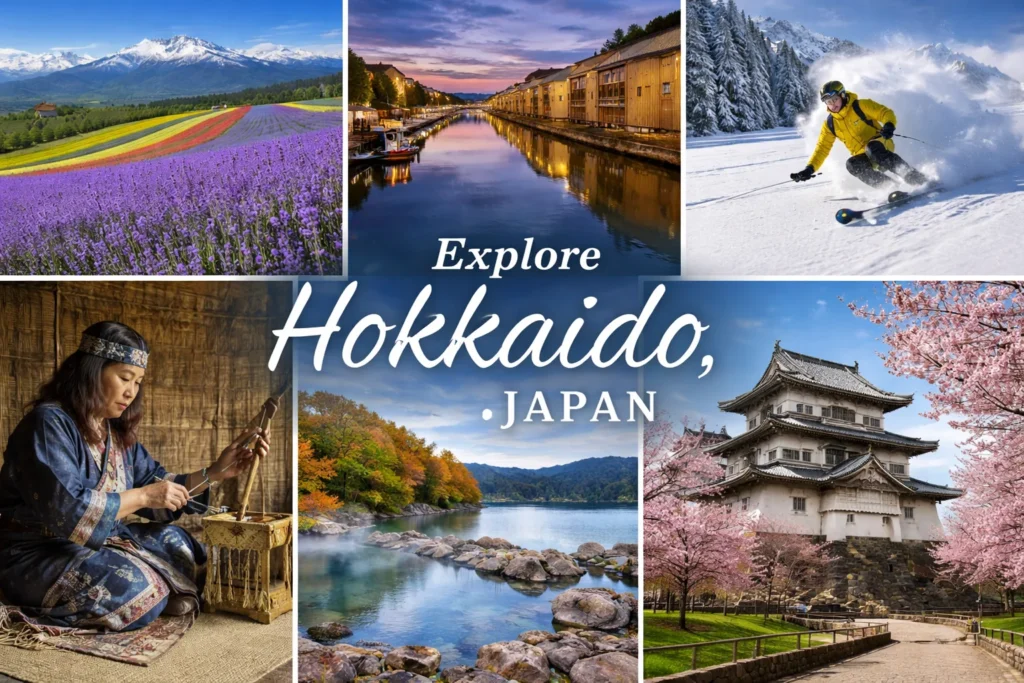
As Japan continues to experience a surge in international tourism, travel authorities are encouraging visitors to explore destinations beyond the traditional hotspots of Tokyo and Kyoto. Among the most recommended regions is Hokkaido, Japan’s northernmost island, which is rapidly gaining recognition for its diverse attractions, natural beauty, and year-round tourism potential.
According to official tourism promotion strategies, Japan is focusing on regional dispersal of visitors to reduce overcrowding in major cities and support sustainable tourism growth. Hokkaido has emerged as a key destination in this effort, offering a wide range of experiences that appeal to modern travelers seeking nature, culture, and adventure.
Sapporo, the capital of Hokkaido, serves as the gateway to the region and a vibrant urban center with a strong cultural identity. Known for its annual winter festival, the city also offers year-round attractions such as observation points, historic sites, and culinary experiences. Tourism authorities highlight Sapporo’s blend of modern infrastructure and traditional heritage as a major draw for international visitors.
The city’s cultural landmarks, including major Shinto shrines and museums, provide insight into Japan’s spiritual and historical traditions. Visitors can also explore local food culture, which is a key component of Japan’s tourism appeal. Regional dishes and specialty products contribute significantly to the visitor experience, supporting local economies and promoting cultural exchange.
Beyond the city, Hokkaido’s unique geography sets it apart as a destination for outdoor enthusiasts. The island is home to numerous volcanoes, many of which are part of protected geoparks recognized for their geological significance. These areas offer opportunities for hiking, guided tours, and educational experiences, aligning with government initiatives to promote nature-based tourism.
Hot springs, or onsens, are another highlight of Hokkaido’s tourism offerings. The region’s volcanic activity has created a network of natural thermal baths that attract visitors seeking relaxation and wellness experiences. Tourism boards have emphasized the importance of wellness tourism as a growing segment, with onsens playing a central role in attracting international travelers.
Hokkaido’s lakes and waterways further enhance its appeal. Destinations such as Lake Shikotsu are known for their clear waters and scenic surroundings, drawing visitors throughout the year. Activities such as kayaking and nature tours provide immersive experiences that connect travelers with the region’s natural environment.
Seasonal diversity is one of Hokkaido’s greatest strengths. In winter, the island becomes a global hub for skiing and snowboarding, supported by consistent snowfall and well-developed resort infrastructure. Government tourism data indicates that winter sports tourism contributes significantly to visitor numbers, with international travelers drawn to Hokkaido’s renowned powder snow.
In contrast, the summer months offer a completely different experience. Fields of colorful flowers, particularly lavender, attract visitors to areas such as Furano, where agricultural tourism has become a key attraction. These landscapes not only provide visual appeal but also support local farming communities and promote sustainable tourism practices.
Cultural tourism is also a major focus in Hokkaido, particularly through initiatives aimed at preserving and showcasing Indigenous heritage. The Ainu people, officially recognized as an Indigenous group in Japan, have a rich cultural history that is being actively promoted through museums, cultural parks, and educational programs. These initiatives are supported by government policies that emphasize cultural preservation and awareness.
Visitors to Hokkaido can engage with Ainu traditions through exhibitions, performances, and culinary experiences. This aspect of tourism provides a deeper understanding of the region’s history and contributes to a more inclusive and diverse tourism landscape.
Scenic destinations across Hokkaido offer numerous opportunities for photography and sightseeing. Historic canals, coastal viewpoints, and panoramic observation areas highlight the island’s natural beauty. Tourism authorities have developed infrastructure such as ropeways and viewing platforms to enhance accessibility and visitor experience.
National parks play a crucial role in Hokkaido’s tourism strategy. The island is home to several protected areas that showcase diverse ecosystems, from wetlands and forests to coastal regions. These parks support wildlife conservation while providing opportunities for eco-tourism, which is increasingly popular among international travelers.
Birdwatching, wildlife observation, and nature exploration are key activities promoted within these parks. Government agencies have implemented measures to ensure that tourism development in these areas remains sustainable and environmentally responsible.
Historical attractions also contribute to Hokkaido’s tourism appeal. Sites such as traditional castle towns and heritage museums offer insights into the region’s past, complementing its natural and cultural attractions. Seasonal events, including cherry blossom viewing, further enhance the visitor experience and attract both domestic and international tourists.
Improved connectivity has made it easier for travelers to include Hokkaido in their itineraries. Aviation authorities have expanded domestic flight options, allowing visitors to access the region conveniently from major cities. This aligns with national tourism goals of promoting regional destinations and distributing visitor traffic more evenly across the country.
The rise of Hokkaido as a tourism destination reflects broader trends in global travel, where visitors are seeking unique and authentic experiences. By offering a combination of natural beauty, cultural richness, and modern infrastructure, Hokkaido is well-positioned to meet these expectations.
As Japan continues to promote sustainable tourism and regional exploration, Hokkaido stands out as a destination that embodies these principles. Its diverse attractions and commitment to preserving cultural and natural heritage make it an essential addition to any international travel itinerary.
With growing interest from global travelers and continued support from tourism authorities, Hokkaido is set to play a significant role in shaping the future of Japan’s tourism industry.