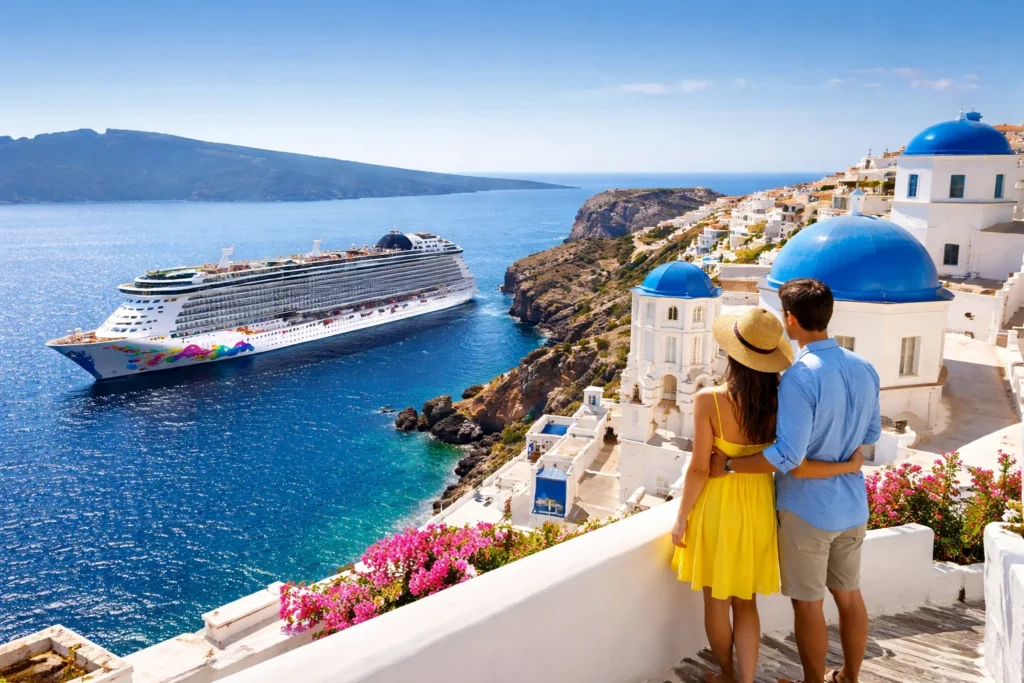
Europe continues to strengthen its position as one of the world’s most dynamic tourism regions, supported by official tourism strategies that emphasize cultural heritage, sustainable travel, and multi-destination experiences. In line with these developments, Norwegian Cruise Line is expanding its European cruise offerings, aligning with broader policy goals set by regional tourism boards and ministries across the continent.
According to official tourism frameworks released by European authorities, there is a growing emphasis on immersive travel that allows visitors to explore multiple destinations efficiently while minimizing logistical challenges. Cruise tourism has emerged as a key contributor to this vision, enabling travelers to experience several cities and cultural landmarks within a single itinerary.
Norwegian Cruise Line’s European voyages are designed around this concept, offering travelers the ability to visit a wide range of destinations without the need for repeated packing or complex transportation arrangements. This approach supports tourism board objectives aimed at enhancing visitor convenience while encouraging longer stays and increased regional spending.
European tourism authorities have consistently highlighted the importance of showcasing both iconic landmarks and lesser-known destinations. Cruise itineraries across Europe often include a mix of major cultural hubs and emerging travel spots, helping distribute tourist flows more evenly. This aligns with official strategies to reduce overcrowding in high-traffic cities while promoting sustainable tourism growth across the region.
A key feature of modern cruise tourism is the integration of onshore and onboard experiences. Norwegian Cruise Line has focused on delivering comprehensive travel packages that combine guided excursions in historic cities with onboard amenities such as entertainment, wellness facilities, and flexible dining options. This model reflects the broader tourism trend toward seamless, all-inclusive travel experiences that cater to diverse visitor preferences.
European ministries of tourism have also emphasized the importance of cultural engagement as a driver of tourism growth. Cruise passengers are increasingly seeking authentic experiences, including visits to UNESCO-recognized heritage sites, local culinary tours, and interactions with regional communities. By offering structured shore excursions, cruise operators contribute to these policy goals while supporting local economies.
Another significant aspect of Europe’s tourism strategy is sustainability. Official tourism policies across the continent stress the need for environmentally responsible travel practices. Cruise lines operating in European waters are expected to comply with strict environmental regulations, including emissions standards and waste management protocols. Norwegian Cruise Line’s operations are aligned with these requirements, reflecting a broader industry shift toward greener practices.
The concept of flexibility in travel planning is also gaining traction, as highlighted in official tourism data. Travelers are increasingly favoring itineraries that allow them to customize their experiences. Norwegian Cruise Line’s approach to flexible dining schedules and varied onboard activities supports this trend, offering passengers greater control over their travel experience.
Tourism boards across Europe have identified cruise tourism as a key segment for attracting international visitors, particularly from long-haul markets. The ability to explore multiple destinations in one journey makes cruise travel especially appealing to travelers seeking value and convenience. This is further reinforced by the growing demand for experiential tourism, where the journey itself becomes an integral part of the overall travel experience.
In addition to cultural exploration, European cruise itineraries often highlight the continent’s natural landscapes, from coastal regions to scenic waterways. Official tourism campaigns have increasingly promoted these natural assets as part of a broader effort to diversify tourism offerings and attract environmentally conscious travelers.
The expansion of cruise tourism also supports economic development across multiple sectors, including hospitality, transportation, and local services. According to tourism ministry insights, cruise passengers contribute significantly to local economies through spending on excursions, dining, and retail activities. This economic impact is a key factor in the continued promotion of cruise tourism within national and regional tourism strategies.
As Europe prepares for future tourism growth, there is a clear focus on balancing visitor demand with sustainability and cultural preservation. Cruise operators like Norwegian Cruise Line play an important role in achieving this balance by offering structured travel experiences that align with official guidelines and support responsible tourism practices.
The increasing popularity of Europe cruise tourism reflects a broader shift in traveler preferences toward convenience, diversity, and meaningful experiences. By combining access to historic landmarks, cultural immersion, and modern onboard amenities, cruise travel continues to redefine how visitors explore the continent.
With continued support from tourism authorities and ongoing innovation within the cruise industry, Europe is well-positioned to maintain its status as a leading global travel destination. Norwegian Cruise Line’s expanded offerings highlight the evolving nature of tourism in the region, where traditional sightseeing is enhanced by integrated, experience-driven travel solutions.
As demand for multi-destination travel continues to rise, Europe cruise tourism is expected to remain a key driver of international visitor growth, supporting both economic development and cultural exchange across the continent.
For more travel news like this, keep reading Global Travel Wire