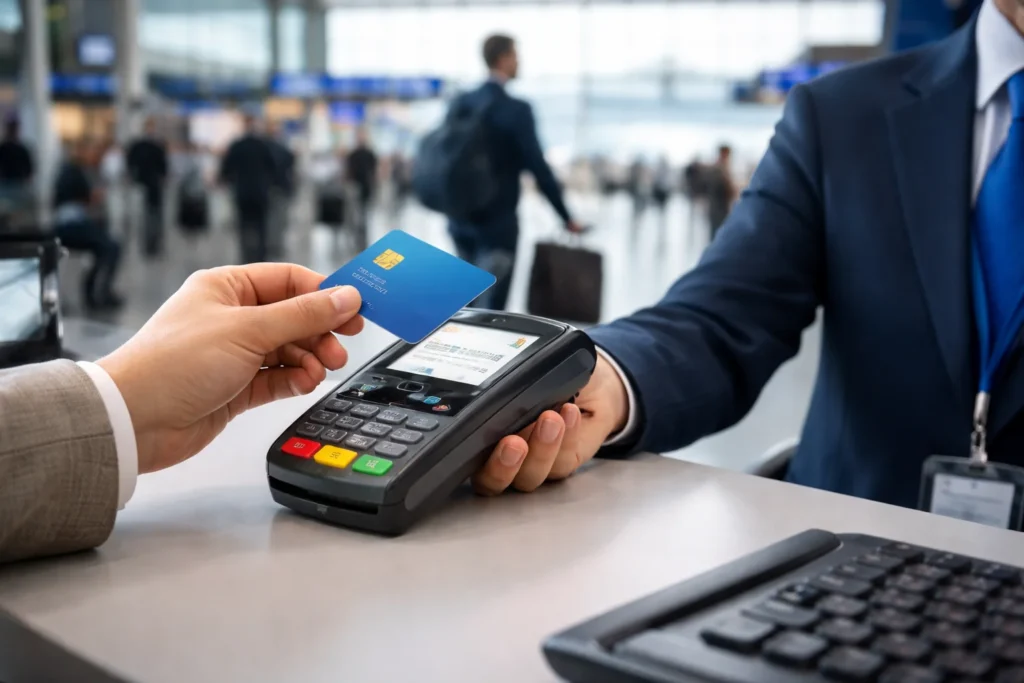
The future of tourism finance may be changing as major global brands explore faster and more efficient payment systems for international operations. Reports of American Airlines testing new digital transaction methods have sparked interest across the travel sector, where speed, lower costs, and smoother global settlements are increasingly important.
For tourism businesses, payment systems are far more than back-office tools. Airlines, hotels, tour operators, airports, and travel agencies process millions of cross-border transactions every day. These include ticket sales, supplier payments, refunds, loyalty partnerships, fuel settlements, and international vendor contracts.
As global tourism rebounds strongly in 2026, the search for smarter financial systems is becoming a major trend.
Why Travel Payments Matter to Tourism
Every international trip depends on payments working smoothly behind the scenes. When a traveler books a flight, pays for a hotel, or purchases travel insurance, a network of financial transactions begins.
Tourism businesses rely on payment systems for:
- Airline ticket sales
- Hotel reservations
- Refund processing
- Foreign supplier payments
- Airport service contracts
- Loyalty program settlements
- Ground handling fees
- Currency conversions
When payments are slow or expensive, businesses face added costs that can eventually influence customer prices and operational efficiency.
Airlines Need Fast Global Transactions
Airlines operate across multiple countries and currencies. A single international route can involve airport fees, fuel providers, catering partners, maintenance contractors, and travel agents in several markets.
Because of this complexity, airlines benefit greatly from payment systems that are:
- Fast
- Secure
- Reliable
- Lower cost
- Easy to track
- Scalable across regions
If transaction times improve, airlines can manage cash flow more efficiently and reduce friction in daily operations.
This can be especially valuable during busy travel seasons when payment volumes surge.
Why Innovation Is Rising in 2026
The travel industry is embracing technology across many areas, from biometric boarding and digital check-in to AI customer service and smart pricing tools. Financial technology is now becoming another key area of transformation.
Travel companies are increasingly exploring:
- Real-time settlements
- Multi-currency payment tools
- Faster refunds
- Fraud prevention systems
- Digital wallets
- Automated supplier payments
- Better treasury management
As competition increases, operational efficiency is becoming just as important as marketing or route expansion.
How Travelers Could Benefit
Although payment innovation often begins behind the scenes, passengers may eventually experience direct advantages.
Possible traveler benefits include:
- Faster refunds after cancellations
- Quicker ticket confirmations
- Smoother international bookings
- Better pricing efficiency
- Improved loyalty redemptions
- Easier multi-currency payments
For travelers, convenience is often the most visible result of successful back-end upgrades.
Why Cross-Border Costs Matter
Traditional international transfers can involve intermediary fees, exchange spreads, and processing delays. For global tourism companies managing thousands of transactions, these costs add up quickly.
Large travel brands regularly move funds between countries for:
- Aircraft operations
- Hotel partnerships
- Marketing campaigns
- Employee payroll
- Vendor contracts
- Franchise agreements
Reducing payment friction can strengthen profitability and free up resources for customer experience improvements.
Tourism Industry Watching Closely
When major travel brands test new financial systems, the wider tourism market pays attention. Airlines often lead innovation because of their scale and international reach.
If payment modernization proves successful, similar interest could grow among:
- Hotel chains
- Cruise operators
- Online travel agencies
- Car rental companies
- Global tour operators
- Airport retailers
- Hospitality groups
Innovation often spreads quickly when clear efficiency gains are demonstrated.
Digital Trust Still Matters
While faster systems are attractive, trust remains essential. Tourism depends on customer confidence, and financial systems must meet high standards of security, compliance, and reliability.
Travel companies considering new payment technologies must evaluate:
- Regulatory requirements
- Data security
- Fraud controls
- Consumer protections
- Accounting integration
- Currency risk management
- Operational resilience
New technology only succeeds when it is dependable at scale.
Strong Tourism Demand Supports Investment
The timing of payment innovation is important. Global tourism demand remains strong in 2026, encouraging companies to invest in systems that support future growth.
Current travel trends include:
- Rising international leisure travel
- Strong premium cabin demand
- Growth in Asia travel markets
- More family holidays
- Event and concert tourism
- Corporate travel recovery
- Increased online booking activity
As transaction volumes rise, more efficient systems become increasingly valuable.
What This Means for Airlines
For airlines, modern payment systems can support both revenue growth and customer satisfaction.
Potential advantages include:
- Lower transaction costs
- Faster settlements
- Better working capital management
- Improved partner coordination
- More agile global expansion
- Enhanced digital customer journeys
In a competitive market, even small efficiency gains can create meaningful advantages over time.
What Travelers Should Expect Next
Most financial technology changes happen gradually. Travelers may not notice immediate differences, but over time the booking and travel experience could become faster and smoother.
Passengers should expect continued improvements in:
- Checkout speed
- Refund timelines
- Loyalty systems
- International payment acceptance
- Customer service automation
The biggest changes often happen quietly in the background.
A New Chapter for Tourism Finance
Tourism has always evolved with technology. Online bookings changed travel planning, mobile apps changed airport journeys, and digital identity tools are changing passenger flow.
Payment innovation may be the next major chapter.
As travel becomes more global and always-on, businesses need systems that match modern customer expectations. Faster, more efficient transactions can help airlines and tourism companies operate with greater flexibility.
Final Word
The growing focus on smarter travel payments shows how tourism continues to modernize beyond planes and hotels. Financial infrastructure is becoming a strategic asset in a world where speed and convenience matter more than ever.
For travelers, this could mean easier bookings and quicker support. For businesses, it could mean lower costs and stronger global operations.
As 2026 tourism demand rises, payment innovation is likely to become one of the most important behind-the-scenes trends shaping the future of travel.