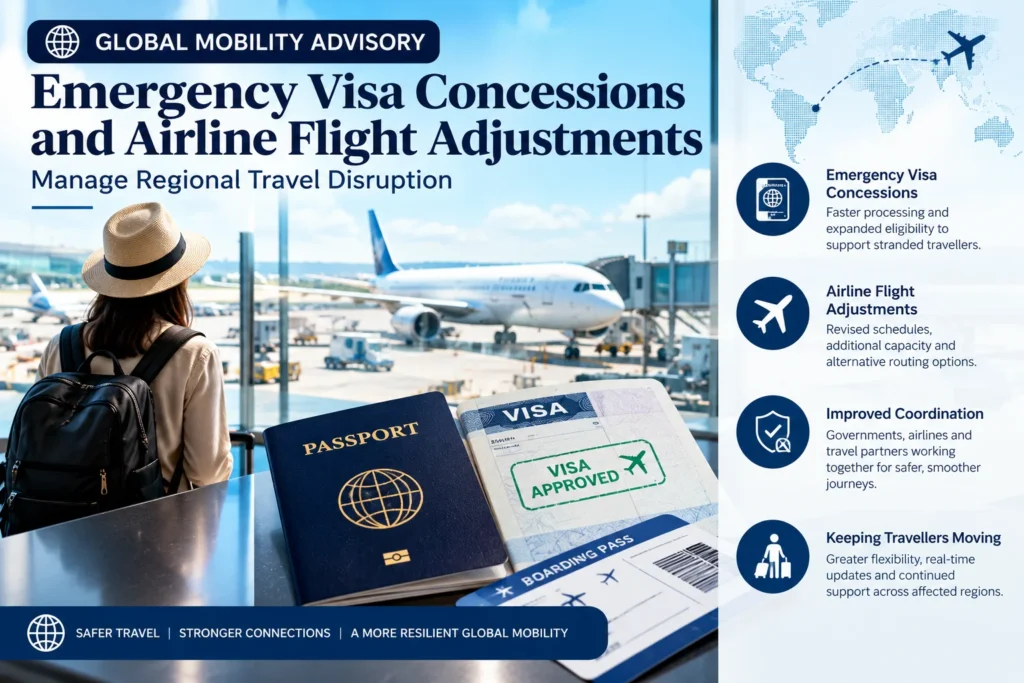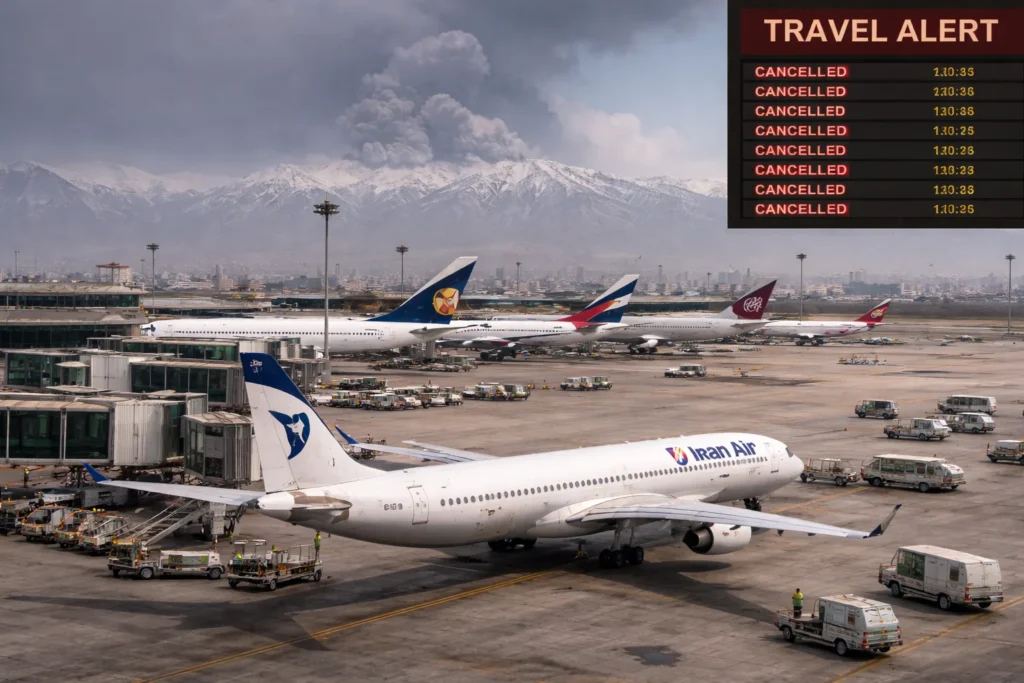
Iran airports and wider Middle East air travel remain under close watch as regional conflict continues to affect aviation routes, airline schedules, and passenger planning. While airport operations may continue in various locations depending on local conditions and official decisions, international travel across the region has become more uncertain due to changing airspace restrictions, security concerns, and airline route adjustments.
For the tourism industry, the situation highlights how geopolitical events can influence one of the world’s most important aviation corridors. The Middle East connects Europe, Asia, Africa, and global long-haul markets, making reliable air travel essential for tourism, business travel, pilgrimage journeys, and international trade.
Passengers planning trips involving Iran or nearby destinations are being advised to monitor airline updates and official travel notices closely.
Iran Airports Remain a Key Part of Regional Aviation
Iran’s international airports play an important role in connecting domestic cities with destinations across Asia, the Gulf, and beyond. Airports serving major urban centers support passenger mobility, diaspora travel, trade links, and regional tourism movement.
In normal conditions, these gateways help connect travelers to cultural cities, historical attractions, religious sites, business hubs, and family travel markets.
However, during periods of geopolitical tension, airport operations can be affected by factors such as:
Airspace Restrictions: Airlines may avoid certain corridors.
Schedule Changes: Flights can be delayed, rerouted, or suspended.
Security Measures: Additional checks may increase processing times.
Operational Uncertainty: Conditions may change quickly.
Network Ripple Effects: Nearby countries may also experience disruption.
As a result, passengers need to remain flexible and informed.
Why the Middle East Aviation Corridor Matters
The Middle East is one of the most strategically important air travel regions in the world. Many flights between Europe and Asia pass through or near the region, while Gulf hubs serve as major transfer points for long-haul passengers.
This means disruptions in one part of the region can affect:
- Europe to Asia routes
- South Asia to Europe connections
- Gulf stopover travel
- Pilgrimage travel flows
- Tourism itineraries across multiple countries
- Business travel schedules
- Cargo and logistics networks
When airlines reroute around affected airspace, flight times may become longer and schedules may need to be revised.
Impact on Tourism Across the Region
Tourism depends heavily on confidence and connectivity. Even when airports remain open, uncertainty can influence traveler decisions, insurance planning, and booking behavior.
Destinations across the Middle East may feel indirect effects if passengers postpone travel or choose alternate routes. This can impact airlines, hotels, tour operators, airport retailers, and ground transport providers.
At the same time, many destinations continue to operate normally outside affected areas, and travelers often adapt by choosing revised itineraries or later travel dates.
The key factor for tourism recovery is usually clear communication and reliable transport updates.
What Travelers Should Expect
Passengers traveling to, from, or through the region should prepare for dynamic conditions. Flight operations can change depending on airline assessments, government advisories, and air traffic management decisions.
Travelers may experience:
Longer Flight Times: Alternate routes may add distance.
Schedule Adjustments: Departure or arrival times can shift.
Cancellations: Some services may be paused temporarily.
Connection Changes: Transit itineraries may require rebooking.
Extra Screening: Airports may apply added security procedures.
Even when flights operate, flexibility remains important.
Travel Advice for Passengers
Tourists and business travelers can reduce disruption by planning carefully and relying only on official information sources.
Helpful travel tips include:
Check Airline Status Regularly: Review bookings before leaving for the airport.
Enable Notifications: Use airline apps for instant alerts.
Allow Extra Time: Reach airports earlier than usual.
Keep Essentials in Cabin Bags: Carry chargers, medication, and documents.
Review Rebooking Policies: Understand fare rules and change options.
Use Official Advisories: Follow government travel guidance and airport announcements.
Stay Flexible: Alternative dates or routes may be useful.
These steps can help travelers navigate uncertain periods more smoothly.
Tourism Potential of Iran Remains Significant
Despite current disruption, Iran remains a country with substantial long-term tourism potential. It offers ancient heritage, UNESCO-listed sites, desert landscapes, mountain scenery, historic bazaars, and rich cultural traditions.
In more stable travel periods, visitors are drawn to experiences such as:
Historic Cities: Architecture, mosques, palaces, and museums.
Cultural Tourism: Persian art, cuisine, poetry, and traditional crafts.
Nature Travel: Mountains, deserts, forests, and coastal areas.
Religious Tourism: Important pilgrimage and spiritual destinations.
Adventure Travel: Trekking, skiing, and overland exploration.
This long-term appeal means travel demand can return when connectivity and confidence improve.
Airlines Prioritize Safety and Network Stability
Airlines operating near conflict zones use continuous risk assessments to determine safe routing. Decisions to reroute or suspend flights are based on passenger safety, crew welfare, aircraft operations, and regulatory guidance.
While frustrating for passengers, these precautions are standard aviation practice and designed to reduce risk.
Once conditions improve, airlines often restore schedules gradually based on demand and operational readiness.
Wider Importance of Resilient Travel Systems
The current uncertainty also underlines the importance of resilient global travel systems. Modern tourism depends on:
- Strong airline communication
- Flexible booking tools
- Efficient airport management
- Alternative routing capability
- Clear traveler guidance
- Regional cooperation in aviation safety
Destinations and airlines that respond quickly and transparently are usually best positioned to recover traveler confidence.
Outlook for Regional Travel
The outlook for travel involving Iran airports and nearby routes will depend on how the regional situation evolves. Aviation conditions can change quickly, and schedules may improve or tighten based on official developments.
For now, travelers should treat bookings as active plans requiring regular checks rather than fixed schedules.
Despite short-term disruption, the Middle East remains a vital tourism and aviation region with strong long-term demand driven by culture, business, pilgrimage, and global connectivity.
Iran Airports Situation Highlights Need for Flexible Travel Planning
The latest uncertainty surrounding Iran airports shows how closely tourism and aviation are linked to regional stability. Airports may remain operational, but route changes and airline decisions can still affect travel plans significantly.
For passengers, preparation and flexibility are essential. For tourism businesses, clear communication matters more than ever. For the wider region, restored confidence in air connectivity will be key to future travel growth.
When conditions stabilize, demand for Middle East travel is expected to remain strong thanks to the region’s strategic importance and rich visitor appeal.
For more travel news like this, keep reading Global Travel Wire