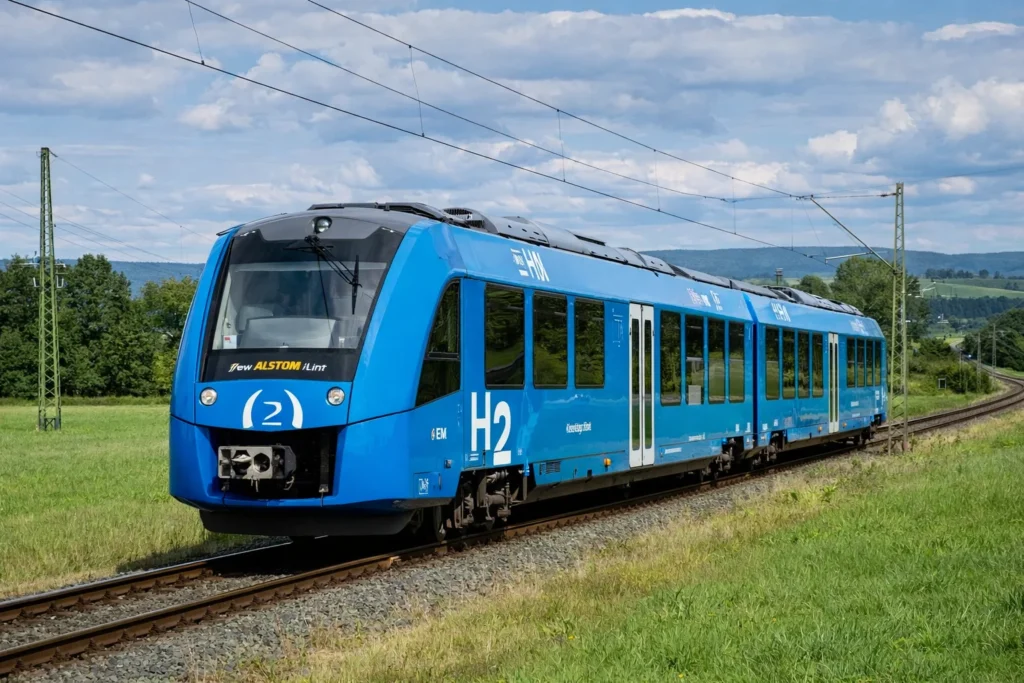
Global rail travel is set for a greener future after Alstom announced the acquisition of Cummins’ rail-sector hydrogen fuel cell activities. The move strengthens Alstom’s ability to develop, maintain, and expand hydrogen-powered train fleets that are increasingly seen as a sustainable alternative for non-electrified rail routes.
For the tourism industry, this development is especially important. Hydrogen trains can help connect scenic rural regions, heritage destinations, and remote travel corridors without the high cost of full rail electrification. As more destinations look for cleaner transport options, the latest deal could accelerate the growth of low-emission rail tourism worldwide.
The acquisition includes engineering expertise, product capabilities, and support operations linked to hydrogen fuel cell systems already used in Alstom train fleets.
Why This Matters for Tourism
Rail travel remains one of the most popular ways to explore destinations, offering comfort, convenience, and scenic experiences that air or road transport often cannot match. In many countries, however, some of the most attractive tourism routes still rely on diesel trains because electrification is expensive or difficult to install.
Hydrogen trains offer a practical solution for these lines. They can operate on existing tracks without overhead wires while producing lower emissions compared with traditional diesel services. This makes them highly attractive for destinations seeking to grow tourism sustainably.
Potential tourism benefits include:
- Cleaner journeys through national parks and countryside routes
- Better transport access to remote attractions
- Reduced noise on scenic rail corridors
- Lower environmental impact for regional travel
- Support for eco-tourism branding and green visitor strategies
As sustainability becomes more important for travellers, cleaner rail systems can also improve a destination’s global appeal.
Alstom Strengthens Hydrogen Rail Leadership
Alstom is already recognised as a major player in hydrogen rail innovation. By bringing Cummins’ specialised rail fuel cell activities in-house, the company gains greater control over product development, maintenance support, and fleet reliability.
This is significant because long-term success in rail tourism depends not only on launching new trains, but also on ensuring they remain dependable, cost-effective, and easy to maintain.
The acquisition can help Alstom in several key areas:
- Faster technical development of future hydrogen fleets
- Improved spare parts and support systems
- Stronger maintenance capability for existing trains
- Greater efficiency in delivering contracted projects
- Better integration between train manufacturing and fuel cell technology
For passengers, stronger reliability means more confidence in choosing rail for holidays and regional travel.
Sustainable Rail for Non-Electrified Routes
Many countries continue to invest in electric railways, but not every line can be electrified quickly. Mountain corridors, rural regions, heritage networks, and low-density routes often face higher costs or engineering challenges.
Hydrogen trains are increasingly viewed as a bridge between traditional diesel services and fully electrified networks. They allow operators to modernise routes without waiting years for major infrastructure works.
This is especially relevant for tourism regions where visitor demand is growing but transport infrastructure remains limited.
Examples of routes that could benefit include:
- Scenic coastal railways
- Mountain tourism corridors
- Cross-country regional lines
- Heritage travel routes
- Rural airport connectors
- National park access services
Cleaner alternatives on these routes can enhance the visitor experience while helping governments meet environmental goals.
Growing Demand for Green Tourism Transport
Travellers are paying closer attention to sustainability when choosing destinations and transport. Tourism boards worldwide are promoting greener experiences, lower-carbon journeys, and responsible travel choices.
Hydrogen rail technology aligns well with these goals because it supports public transport expansion while reducing reliance on older diesel fleets. Modern hydrogen trains can also provide quieter cabins, smoother rides, and upgraded interiors that improve comfort for leisure passengers.
For destinations marketing themselves as sustainable tourism leaders, investment in clean rail can become a strong selling point.
Economic Benefits Beyond Tourism
The impact of hydrogen rail growth extends beyond passenger travel. It can also support manufacturing, skilled jobs, supply chains, and innovation in clean technology sectors.
By expanding its hydrogen capabilities, Alstom strengthens industrial expertise that can be used across multiple markets. This can encourage future investment in transport hubs, rolling stock production, and green infrastructure projects.
For regions with strong rail manufacturing or engineering sectors, the shift toward hydrogen may create new economic opportunities linked to tourism growth and mobility modernisation.
What Travellers Could See in the Future
Passengers may gradually notice more hydrogen-powered trains entering service over the coming years, particularly on regional and scenic routes where diesel trains still operate today.
Possible improvements include:
- Newer and more comfortable trains
- Better onboard amenities
- Cleaner stations and reduced local emissions
- More reliable rural services
- Expanded tourism rail routes
- Stronger links between cities and attractions
As transport networks modernise, rail could become an even more attractive choice for domestic holidays and cross-border exploration.
Positive Outlook for Global Rail Tourism
Alstom’s acquisition of Cummins’ rail fuel cell activities is more than a business transaction. It is a strong signal that hydrogen trains remain an important part of future mobility planning.
For tourism, that means cleaner travel to places where electrified rail may still be years away. It means more opportunities for scenic train journeys with lower environmental impact. And it means travellers may soon enjoy better rail experiences in destinations that depend on regional connectivity.
As governments, operators, and tourism boards continue prioritising sustainable growth, hydrogen trains are likely to play an increasingly visible role in shaping the next era of travel. With stronger technology capabilities now under one roof, Alstom is well positioned to help lead that journey.
For more travel news like this, keep reading Global Travel Wire