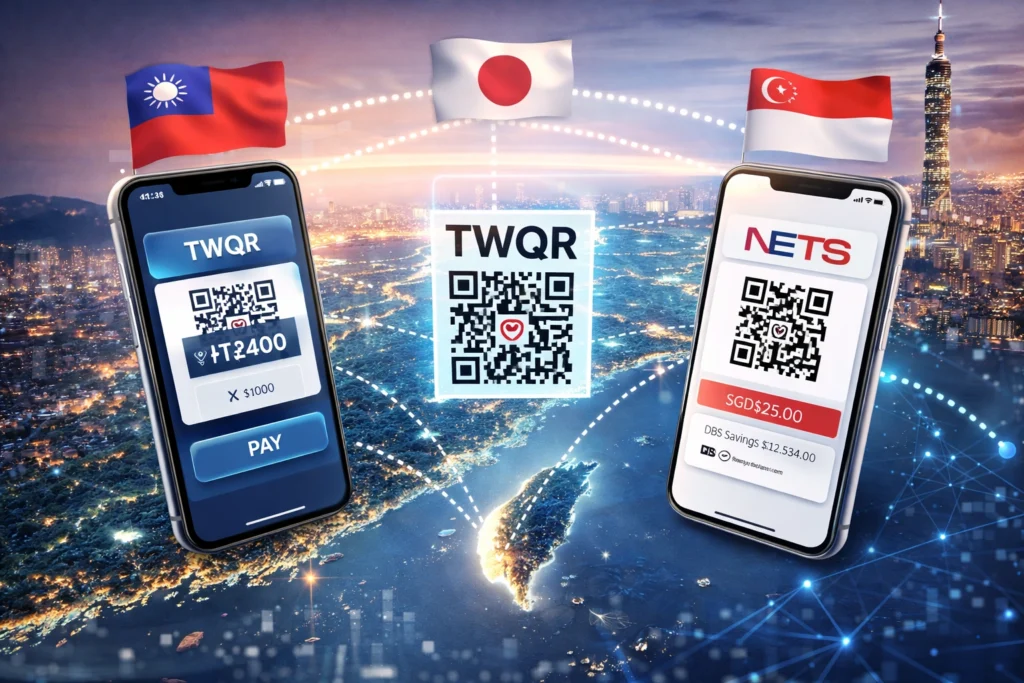
Taiwan is taking a major step in Asia’s smart tourism race by expanding its TWQR payment network to connect with Japan’s PayPay and Singapore’s NETS. The move will allow travelers from two of Asia’s most digitally advanced markets to use their existing mobile payment apps across Taiwan, creating a faster and more seamless visitor experience.
The initiative highlights how digital payments are becoming central to destination competitiveness. For modern travelers, convenience now extends beyond flights and hotels to everyday spending on food, transport, attractions, and shopping.
For Taiwan, easier payments can encourage higher visitor confidence, stronger spending, and a more connected tourism ecosystem.
A Simpler Journey from Arrival to Daily Spending
Cross-border travel often becomes complicated the moment visitors need to pay for local services. Currency exchange, ATM fees, unfamiliar cards, and carrying cash can all create friction.
Taiwan’s expanded TWQR system aims to remove those barriers.
Travelers from Japan using PayPay and visitors from Singapore using NETS will be able to scan and pay at Taiwanese merchants displaying TWQR signage through apps they already know and trust.
That means a visitor landing in Taipei can pay for airport transport, a café stop, metro access, night market snacks, or retail purchases without changing cash or downloading a separate local wallet.
For tourists, the result is a smoother journey with fewer payment concerns and more freedom to explore.
Why Japan Matters to Taiwan Tourism
Japan remains one of Taiwan’s most important inbound visitor markets. Japanese travelers consistently rank among the island’s largest international arrivals, making them a strategic priority for tourism growth.
By integrating with PayPay, one of Japan’s most widely used digital payment platforms, Taiwan is directly improving the visitor experience for a key source market.
That matters because convenience influences travel decisions. Destinations that feel easy to navigate, easy to spend in, and digitally friendly often gain a competitive edge.
For Japanese travelers, familiar payment tools can make Taiwan feel more accessible for both short city breaks and longer leisure trips.
Singapore Adds Another High-Value Market
The inclusion of Singapore’s NETS system broadens the initiative beyond one bilateral corridor and strengthens Taiwan’s position as a regional hub for connected travel.
Singapore travelers are known for high digital adoption and frequent regional mobility. Many take short-haul leisure trips and value efficient, tech-enabled experiences.
By supporting NETS users, Taiwan becomes more attractive to a market that expects seamless digital infrastructure.
The move also reinforces growing travel ties across Asia where short-haul city breaks, food tourism, and weekend escapes continue to expand.
Benefits for Small Businesses and Local Tourism
The tourism impact goes well beyond airports and large retailers.
Cross-border QR payments can be especially valuable for small businesses such as cafés, market stalls, independent shops, taxis, and local attractions. These operators often benefit when visitors feel confident making quick purchases without worrying about cash.
Night markets, a major draw for Taiwan tourism, may see stronger spontaneous spending when travelers can pay instantly through their phones.
Local economies often gain when payment friction falls because visitors tend to buy more frequently and explore more widely.
That can spread tourism revenue beyond major shopping districts into neighborhood businesses and cultural districts.
Taiwan’s Broader Smart Tourism Strategy
The TWQR expansion also fits into a larger trend across Asia where destinations are investing in digital infrastructure to improve travel experiences.
Smart mobility, integrated payments, digital visitor services, and real-time travel tools are increasingly shaping how tourists choose destinations.
Taiwan already offers strong transport networks, urban convenience, and a rich mix of culture, food, and nature. Adding easier payments strengthens that proposition.
For international travelers, digital readiness can be as important as attractions themselves.
Regional Integration Could Expand Further
Officials have indicated that discussions may continue with additional markets, including South Korea.
If more countries join the network, the concept could evolve into a broader East Asian cashless travel corridor where visitors move across borders using familiar digital wallets.
That would represent a major shift in regional tourism.
Instead of adapting to a different payment system in each country, travelers could enjoy greater consistency across multiple destinations.
For airlines, tourism boards, and retailers, smoother multi-country travel can support higher demand and more frequent trips.
Why Cashless Travel Matters Now
The global travel industry is becoming increasingly mobile-first. Travelers book flights on phones, check into hotels digitally, navigate with apps, and expect instant access to services.
Payments are the next critical layer.
Destinations that fail to modernize risk frustrating visitors at the very moment they want to spend. Those that succeed can improve satisfaction, boost revenue, and strengthen repeat visitation.
Taiwan’s TWQR move shows clear recognition of that reality.
A New Standard for Travel in Asia
The TWQR integration with PayPay and NETS is more than a technical update. It is a tourism strategy built around convenience, confidence, and connected travel.
For visitors, it means fewer barriers and easier everyday spending. For businesses, it means access to digitally ready customers. For Taiwan, it reinforces its image as one of Asia’s smartest and most traveler-friendly destinations.
As regional travel grows, the future of tourism may depend not only on where people go—but how easily they can pay when they arrive.
For more travel news like this, keep reading Global Travel Wire