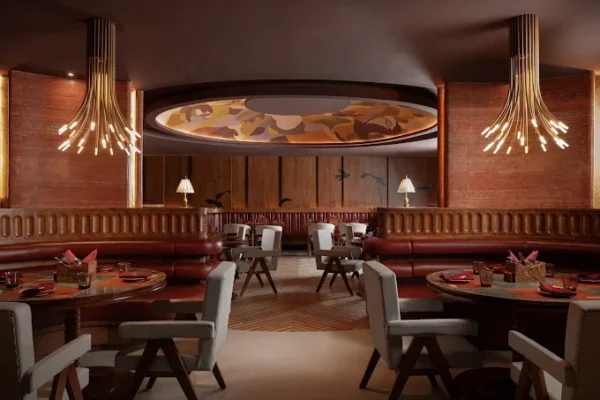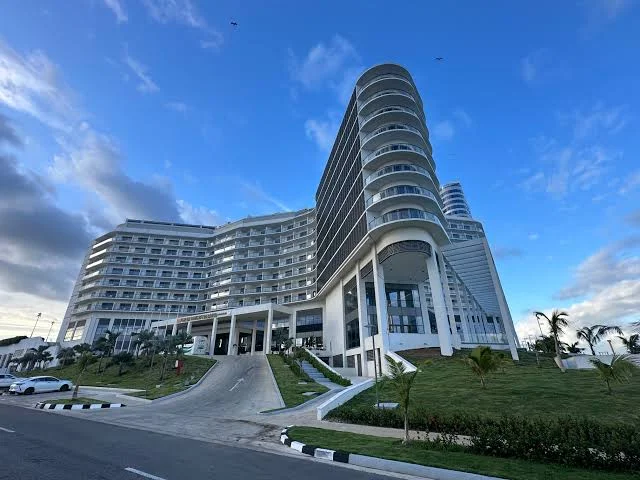
The global hospitality industry is influencing a new era of workplace design as hotel-style service models become increasingly important in commercial real estate. Industry leaders meeting in Berlin during a major international hospitality investment forum highlighted how hotels are shaping the future of offices, mixed-use developments, and business spaces in 2026.
Executives emphasized that success now depends on creativity, technology, and operational excellence. They noted that many of the service standards once limited to hotels are now being applied to offices, residential buildings, and shared workspaces to improve user satisfaction and asset value.
This shift reflects changing expectations among travelers, employees, tenants, and investors who increasingly want convenience, flexibility, personalized experiences, and smarter environments.
Why Hospitality Is Influencing Modern Offices
Hotels have long focused on customer comfort, efficient service, and memorable experiences. Those same principles are now becoming valuable in offices as companies compete to attract workers back to physical workplaces and create more engaging environments.
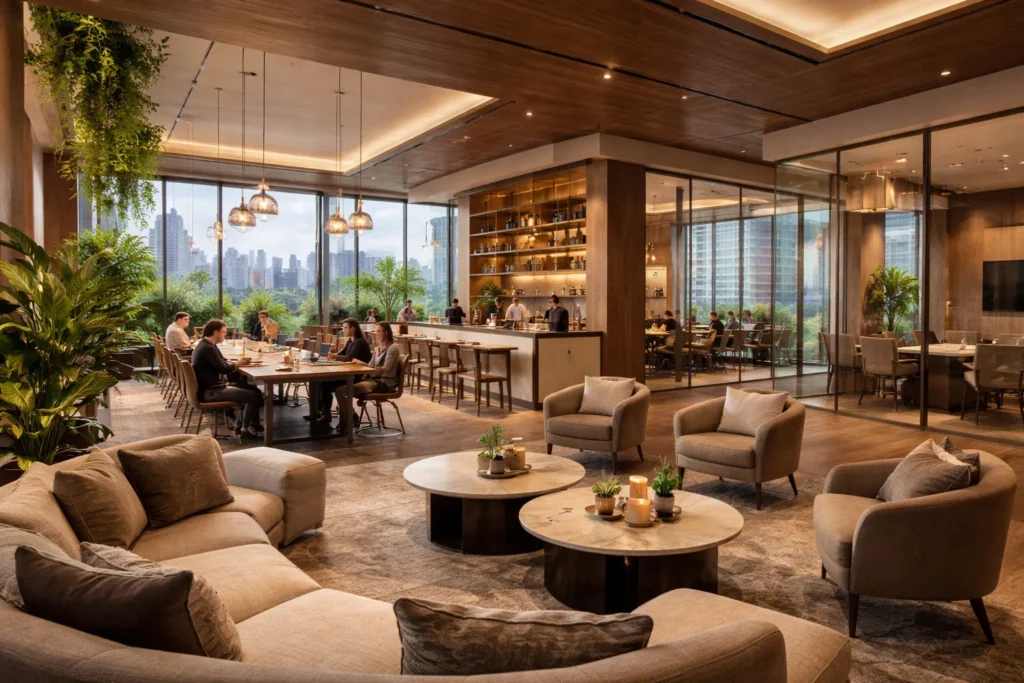
Traditional offices centered mainly on desks and meeting rooms. Today, successful workplaces are evolving into destinations that offer amenities, hospitality-style reception, social spaces, wellness areas, curated events, and premium service experiences.
This transformation is especially relevant for tourism and business travel because the line between travel accommodation, coworking, and business venues is becoming increasingly blurred. Modern professionals often expect office spaces to feel as welcoming and functional as quality hotels.
Cities that develop flexible, hospitality-led workplaces can also become more attractive for investment, conferences, and international business tourism.
Technology Drives a Seamless Guest Experience
One of the strongest themes discussed by industry leaders was the need to simplify user experiences through technology. Hotels have led the way in digital convenience, and those lessons are now influencing other sectors.
Self-service check-in kiosks, mobile access, digital concierge systems, automated service requests, and AI-powered guest support are increasingly common in hospitality. Similar tools are now being adapted for offices and mixed-use properties.
In workplace settings, this can include contactless building entry, smart visitor registration, room booking systems, digital help desks, and personalized building services.
The goal is to remove friction and make every interaction faster and easier. Whether someone is checking into a hotel room or entering an office tower for a meeting, expectations for smooth digital service are rising rapidly.
For tourism destinations that host large numbers of business travelers, such integrated systems can strengthen competitiveness and improve visitor confidence.
Artificial Intelligence Becomes a Key Efficiency Tool
Artificial intelligence is also emerging as a major driver of operational performance. Hospitality executives highlighted how AI can improve both guest-facing services and back-end management systems.
In hotels, AI can support personalized recommendations, virtual assistants, maintenance alerts, energy monitoring, and housekeeping optimization. These same capabilities are increasingly valuable in office buildings and commercial real estate.
Smart systems can monitor heating, lighting, occupancy levels, and maintenance needs in real time. This helps reduce waste, lower operating costs, and improve sustainability performance.
As energy efficiency becomes a higher priority worldwide, AI-enabled buildings can deliver both environmental and financial benefits. Tourism infrastructure such as hotels, convention centers, and airport properties are especially well positioned to benefit from these technologies.
The growing use of AI across hospitality and real estate suggests that future travel experiences will be more responsive, efficient, and data-driven.
Data Transparency Improves Decision-Making
Another major theme from industry leaders was the importance of sharing and simplifying data. Modern hospitality businesses generate valuable insights on occupancy, guest preferences, food usage, energy consumption, and revenue trends.
When used effectively, this data helps managers make smarter decisions. The same principle is now expanding into offices and commercial assets.
Building owners, operators, and tenants increasingly need clear data to understand performance, improve operations, and plan investments. Instead of relying on guesswork, organizations can use real-time information to optimize staffing, space usage, and service delivery.
For tourism and hospitality investors, stronger data systems also create confidence by making assets easier to evaluate and manage.
This trend reflects a wider move toward evidence-based operations where every square meter of space is measured for productivity and long-term value.
Offices Become Lifestyle Destinations
One of the most significant changes is the rise of offices as lifestyle destinations rather than purely functional workplaces. Hospitality-inspired design is helping transform office buildings into places where people want to spend time.
Features now seen in premium office developments include rooftop meeting spaces, event programming, food and beverage experiences, wellness facilities, social lounges, and concierge-style services.
These additions can improve employee satisfaction while increasing occupancy and rental appeal for landlords.
For cities such as Berlin, Paris, Singapore, Tokyo, and Dubai, this trend strengthens their role as business travel hubs by offering more sophisticated environments for meetings, networking, and international collaboration.
Business travelers increasingly seek destinations where hotels, offices, conference venues, and urban experiences are closely connected. Hospitality-led real estate supports that demand.
Sustainability Gains Through Better Operations
Operational discipline remains central to value creation. Hospitality leaders pointed to practical examples such as reducing food waste through smarter systems and staff routines.
Food waste reduction is highly relevant across hotels, offices, and event venues where catering operations can generate unnecessary costs. By using better forecasting tools and AI support, operators can significantly cut waste while improving margins.
Sustainability goals are becoming more important for tourism boards, investors, and governments worldwide. Efficient buildings with lower waste and smarter resource use are more attractive to travelers, tenants, and stakeholders.
This means operational excellence is no longer just about profit. It is also about environmental responsibility and long-term resilience.
Profit Per Square Meter Becomes a New Metric
Another emerging concept is the growing focus on profit per square meter. Instead of evaluating buildings only by size or occupancy, owners are increasingly measuring how effectively space generates value.
This approach influences design decisions from the earliest planning stage. Hotels, offices, retail areas, and mixed-use developments are being created with stronger attention to revenue potential, guest experience, and flexibility.
For tourism destinations investing in new infrastructure, this metric can help maximize returns while delivering better visitor experiences.
It also supports smarter urban development by encouraging spaces that remain active and commercially successful throughout the day.
What This Means for Tourism in 2026
The blending of hospitality and real estate signals a broader transformation in how people travel, work, and interact with cities. Offices are becoming more like hotels, while hotels continue to adopt smarter technologies and lifestyle features.
For travelers, this means smoother experiences, better services, and more dynamic destinations. For investors, it opens new pathways for value creation. For cities, it creates stronger ecosystems where tourism, business, and innovation grow together.
In 2026, hospitality is no longer limited to hotels. It is becoming the model for the future of modern real estate.
For more travel news like this, keep reading Global Travel Wire