Sri Lanka’s really ramping up its game to attract more tourists. They just introduced a tourist visa fee waiver for folks from 40 different countries. This move should help boost visitor numbers, shore up the tourism industry, and put Sri Lanka on more people’s radars as a must-visit spot.
Visitor counts have already been on the rise, bouncing back nicely from previous lows. Now, sans the visa fees, more people are likely to pick Sri Lanka for their next getaway. Plus, who doesn’t like saving a little dough when planning a trip?
This new policy lets travelers skip paying the standard visa fees, making vacation dreams a bit cheaper. But remember, you still gotta fill out those forms and go through entry checks. Still, not having that extra expense makes things way easier for travelers.
The introduction of the tourist visa fee waiver is a part of a bigger picture, too. More and more tourism-focused countries are cutting red tape to draw in more visitors. Experts agree: simpler processes matter a ton to leisure travelers. They want ease and value, so why not give it to them? Looks like Sri Lanka’s doing exactly that, which could work wonders for its economy and appeal as a holiday hotspot.
Sri Lanka’s tourism industry has become increasingly important to the country’s economic recovery efforts. The sector supports thousands of jobs across hotels, restaurants, transportation services, tour operators, retail businesses, and local communities. Tourism authorities expect the latest visa initiative to generate additional visitor spending while supporting employment and investment across the industry.
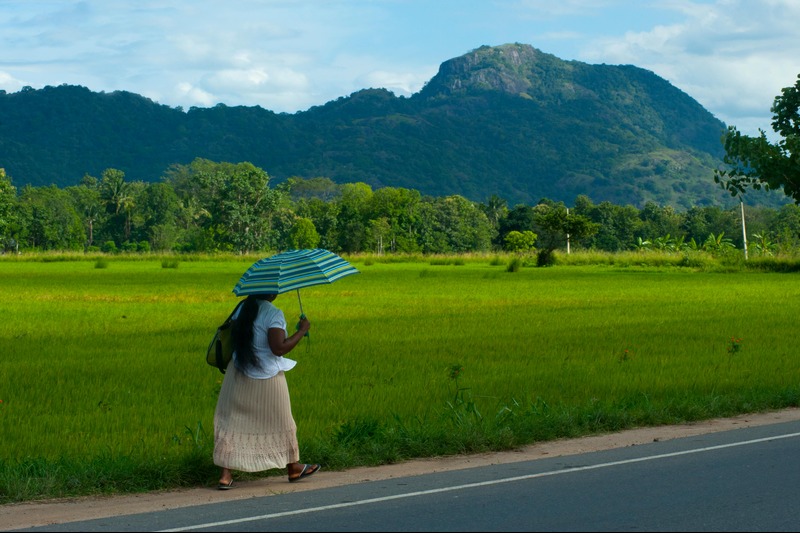
The country’s diverse tourism offerings continue attracting travelers from around the world. Popular destinations such as Colombo, Kandy, Galle, Sigiriya, Ella, Nuwara Eliya, and the southern coastal regions offer a blend of cultural heritage, wildlife experiences, beaches, adventure tourism, and wellness travel opportunities. These attractions have helped position Sri Lanka as one of Asia’s most appealing tourism destinations.
Industry stakeholders believe that Sri Lanka’s tourism growth strategy is benefiting from growing global interest in experiential travel. International visitors are increasingly seeking destinations that offer authentic cultural experiences, nature-based tourism, wellness retreats, and sustainable travel opportunities, all areas where Sri Lanka has developed a strong reputation.
The visa fee waiver is also expected to strengthen the country’s competitiveness within the regional tourism market. Sri Lanka competes with destinations such as Thailand, Vietnam, Indonesia, Malaysia, and the Maldives for international visitors. Reducing travel costs could provide a valuable advantage as travelers compare destination options.
Airline connectivity is another factor supporting tourism growth. Several international carriers have expanded services to Sri Lanka in recent years, increasing accessibility from Europe, the Middle East, Asia, and other major travel markets. Improved connectivity, combined with simplified visa policies, is expected to contribute to stronger visitor growth throughout 2026.
Tourism analysts suggest that the international arrivals to Sri Lanka could see a significant boost as awareness of the visa waiver program spreads across global travel markets. Lower entry costs may particularly appeal to budget-conscious travelers, families, and long-stay visitors looking for affordable international destinations.
Due to ongoing infrastructure improvements across the tourism sector and new initiatives to promote destinations, expand revenue opportunities for businesses, and develop digital tourism services, tourism will continue to grow over the long term. The overall goal is to increase the visitor experience, while promoting sustainable development across the Tourism industry.
Sustainability is a key concern as the tourism sector continues to grow. Authorities are developing projects and initiatives that promote sustainable tourism practices, such as maintaining environmental integrity, preserving the culture of generations past, and developing tourism through community-based approaches. Within national tourism strategies, we see more countries incorporating sustainable tourism practices into their overall planning efforts.
The increase in competition among countries has led many nations to allow their citizens to enter without a visa, at a reduced fee, or both. Tourism experts agree that visa-free or reduced-fee entry policies can increase the number of visitors traveling to a country, as the simplification of the travel process increases demand for international travel.
As international travel demand begins to recover, Sri Lanka’s new visa policy demonstrates the country’s commitment to increasing the number of international visitors and strengthening its tourism economy. The fee waivers for international visitors from 40 countries will make the country even more appealing and support the growth of all types of tourism-related businesses. The policy will also support continued growth in international visitor arrivals through 2026 and beyond.