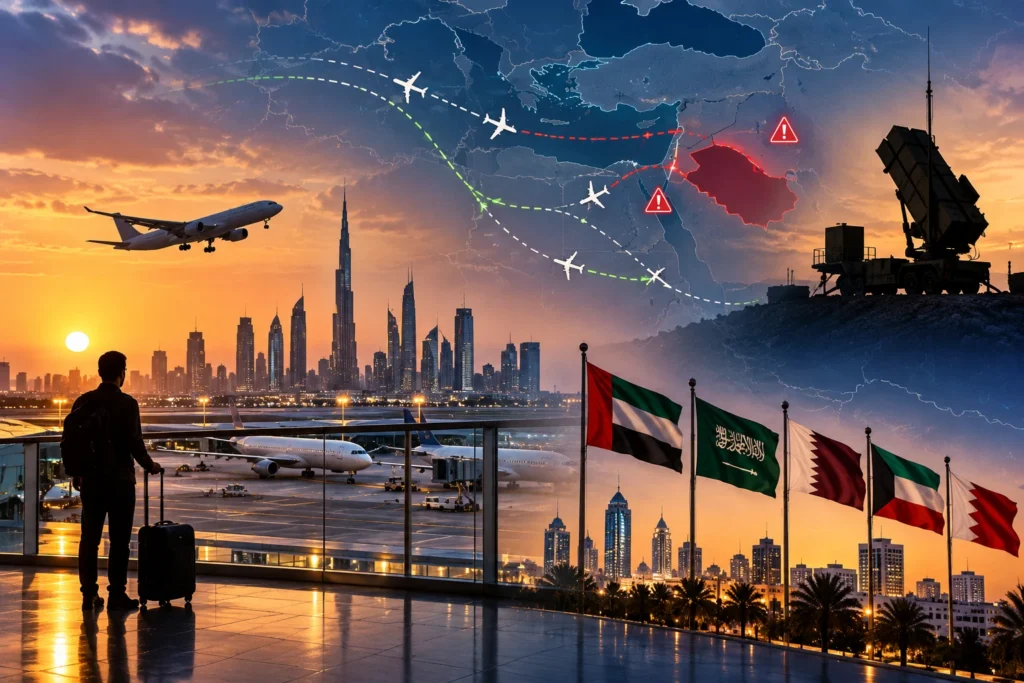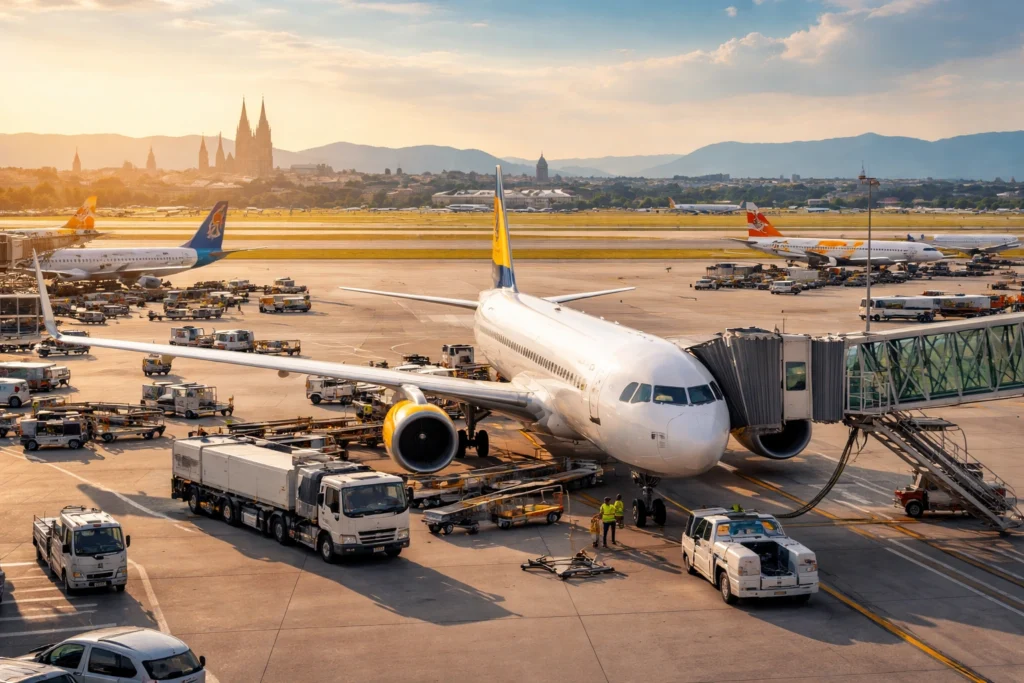
Europe’s aviation sector is racing to protect summer schedules after the Iran conflict triggered fresh concerns over fuel security, airline costs and airport operations across the continent. With millions of travelers expected to fly during the peak holiday season, governments, airports and airlines now face urgent pressure to secure stable Europe jet fuel supplies and avoid widespread disruption.
The challenge centers on Europe’s reliance on global fuel markets and key maritime trade routes. Any prolonged instability in the Middle East can tighten supply, lift operating costs and strain airport fuel networks just as demand rises for summer holidays. For travelers, that could mean higher fares, reduced flight choices and delays at already busy hubs.
Why Fuel Security Matters for Europe
Jet fuel remains one of the biggest costs for airlines. Even moderate price increases can quickly affect ticket pricing, route planning and airline profitability. During summer, when aircraft utilization peaks and airports run at high capacity, reliable fuel deliveries become even more important.
Many European airports depend on complex supply chains that include imports, refining, pipeline transport and storage systems. If any link weakens, operational pressure can spread quickly through the network.
Major gateways such as London Heathrow, Frankfurt, Paris Charles de Gaulle, Amsterdam Schiphol and Madrid Barajas have stronger storage and supply capabilities. However, smaller regional airports often hold lower reserves and depend on frequent deliveries. That leaves them more exposed during market shocks.
EU Response Focuses on Supply Stability
European authorities have already placed energy resilience high on the agenda in recent years. The European Union has repeatedly stressed the need for diversified energy sourcing, stronger infrastructure and reduced dependence on vulnerable external supply routes.
Now that approach carries direct importance for aviation.
Officials across Europe are expected to coordinate closely with fuel producers, logistics operators and airports to maintain supply flows during the summer season. Refinery output, storage capacity and transport networks will all play a key role in determining how smoothly the sector operates.
Governments may also prioritize strategic reserves and contingency planning to protect essential connectivity if market pressure intensifies.
UK, France and Germany Strengthen Preparations
Several of Europe’s largest aviation markets have strong reasons to act early.
The UK depends on high passenger volumes through London and major regional airports during summer. Any disruption there can affect both domestic and international travel flows. Fuel planning therefore remains essential to keeping schedules intact.
France faces similar pressure through Paris and major leisure gateways that handle large outbound and inbound holiday traffic. Reliable supplies will help airlines preserve capacity during one of the busiest travel periods of the year.
Germany, home to major hubs such as Frankfurt and Munich, also plays a central role in European connectivity. Strong reserves and supply planning can help reduce risks across the wider network because so many transfer passengers travel through German airports.
Airlines Prepare for Higher Costs
European carriers now face a difficult balancing act. They must protect schedules while managing rising fuel bills.
Low-cost airlines and network carriers alike could adjust capacity on weaker routes if costs climb sharply. Short-haul sectors with intense competition may face the greatest scrutiny. Airlines may also redeploy aircraft to stronger leisure markets where demand remains high.
For passengers, that can translate into fewer frequencies on some routes and faster fare increases on popular services.
At the same time, airlines will try to preserve core summer operations because the holiday season remains one of the most profitable periods of the year. Strong demand for Mediterranean beaches, city breaks and visiting friends and relatives travel gives carriers an incentive to maintain as much capacity as possible.
What Travelers Could Notice This Summer
Most passengers will still travel as planned, but the market could become more expensive and less flexible.
Travelers may see:
Higher average airfares, especially on last-minute bookings
Reduced frequencies on selected short-haul routes
Longer turnaround times if airports manage fuel logistics carefully
Pressure on rebooking options during disruption periods
Stronger demand for rail alternatives on some intra-Europe journeys
Booking early may offer the best value if fuel costs continue to rise.
Hotels and Destinations Also Watch Closely
The aviation sector does not operate in isolation. Hotels, resorts, cruise operators and tourism boards all depend on reliable air access.
Southern Europe’s beach destinations, island markets and city tourism centers could feel the impact if airline capacity tightens. Fewer seats can mean slower visitor growth, shorter stays or changes in booking patterns.
Destinations that attract travelers by rail or road may gain an advantage if some consumers look for alternatives to flying.
Long-Term Shift Toward Sustainable Aviation Fuel
The current pressure also reinforces Europe’s long-term push for cleaner and more secure aviation energy. The EU has already advanced policies that support sustainable aviation fuel, often known as SAF, to reduce emissions and broaden future supply options.
Greater SAF production in Europe could eventually strengthen resilience by creating more regional fuel sources and lowering dependence on imported fossil fuels. Airlines, airports and fuel companies continue to invest in that transition, although large-scale supply remains a work in progress.
Outlook for Summer 2026
Europe enters the summer season with strong travel demand but heightened fuel sensitivity. If supply routes remain open and contingency plans work effectively, most passengers may experience only higher fares rather than severe disruption.
However, if tensions deepen and fuel markets tighten further, the risk of cancellations, schedule cuts and airport pressure will rise quickly.
For now, Europe’s message is clear: secure Europe jet fuel supplies, protect connectivity and keep the summer travel season moving smoothly.
For more travel news like this, keep reading Global Travel Wire