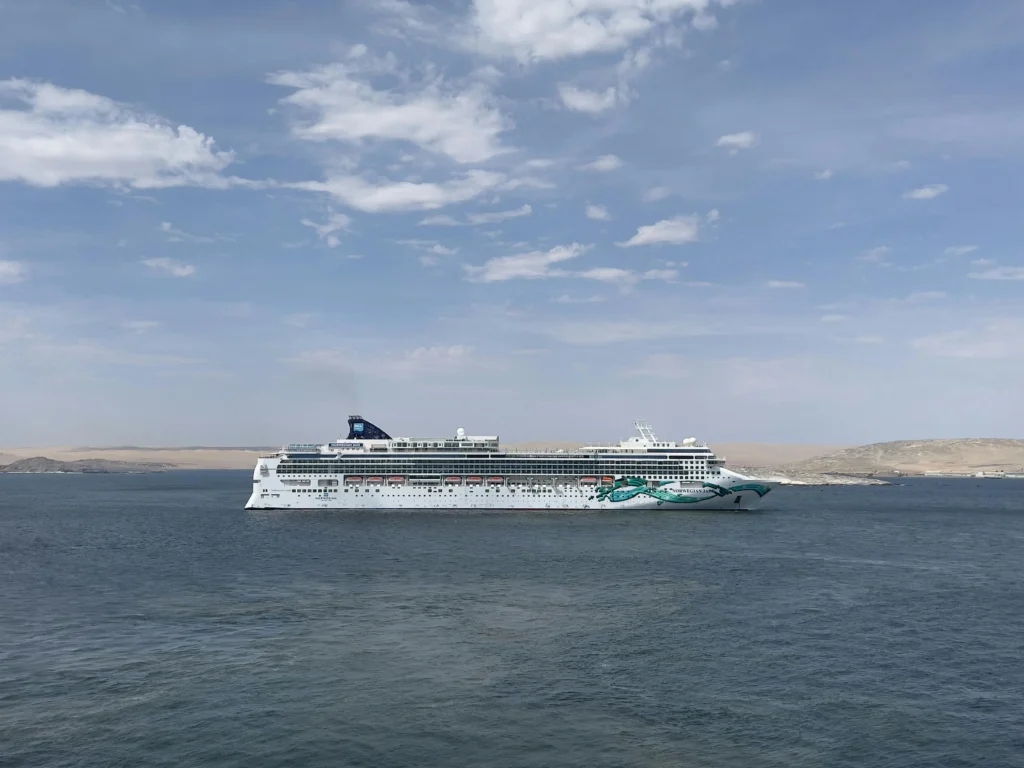
Angola is gaining fresh attention on the international travel map after welcoming more than 1,400 overseas visitors aboard four cruise ships docking in Luanda and Namibe. The latest arrivals mark an important moment for the country’s tourism sector and highlight growing interest in Angola as an emerging destination for maritime travel.
According to official tourism statements, the arrival of approximately 1,488 international visitors demonstrates stronger confidence among cruise operators and rising demand for new African itineraries. For Angola, the development represents more than passenger numbers. It signals a broader opportunity to expand tourism revenue, showcase national heritage, and strengthen its presence in global travel circuits.
As cruise lines search for fresh destinations beyond traditional routes, Angola’s coastline, culture, and historic attractions are increasingly attracting attention.
Why Cruise Tourism Matters for Angola
Cruise tourism can create powerful economic benefits for developing and emerging destinations. Visiting passengers spend on transport, guided tours, food, shopping, crafts, and local experiences during port calls.
Even short visits can generate meaningful income for tour operators, transport providers, restaurants, museums, and small businesses.
For Angola, maritime tourism offers a strategic path to diversify visitor arrivals while promoting multiple regions. Instead of relying only on air travel, cruise tourism introduces the country to international guests who may later return for longer land-based holidays.
This first impression effect is especially valuable for destinations that are still building awareness in global markets.
As more cruise travelers seek authentic and less-crowded experiences, Angola is well positioned to benefit.
Luanda and Namibe Take Center Stage
The recent cruise calls focused on two important destinations: Luanda and Namibe.
Luanda, the capital city, serves as Angola’s political, economic, and cultural center. Its waterfront setting, historical architecture, museums, and urban energy make it a strong gateway for international visitors.
Namibe offers a different appeal, with dramatic coastal scenery, desert landscapes, marine environments, and heritage sites that provide a more nature-focused experience.
Together, the two provinces show the diversity Angola can offer travelers. One destination presents a dynamic capital with deep history, while the other showcases remote beauty and cultural depth.
This combination is attractive for cruise lines looking to deliver varied shore experiences within one country.
Historic Double Cruise Call at Port of Luanda
A major milestone was reached when the Port of Luanda hosted two cruise ships simultaneously for the first time. This kind of operational achievement is significant because it demonstrates improving readiness to handle growing passenger volumes and multiple vessel calls.
Ports that can manage simultaneous arrivals become more appealing to cruise companies planning regional schedules.
The event also sends a positive message to the wider tourism industry: Angola is developing the capacity needed to participate more actively in international cruise networks.
Efficient port operations, passenger handling, transport coordination, and security standards are essential elements in cruise destination success. As these systems improve, destinations often see stronger repeat business from cruise operators.
International Ships Bring New Visitor Flows
The vessels arriving this month included the SH Diana, Vasco da Gama, Silver Wind, and Viking Sky. Together, they brought a diverse mix of international passengers exploring Angola’s culture and coastline.
The variety of ships is important because it suggests appeal across different cruise segments, including expedition-style travel, premium voyages, and larger luxury itineraries.
This diversity can help Angola build resilience in tourism demand by attracting different traveler profiles rather than depending on a single market niche.
It also shows that Angola’s appeal extends across both mainstream and upscale cruise sectors.
As the African cruise market evolves, destinations that can serve multiple cruise styles may gain stronger long-term advantages.
Cultural Landmarks Impress International Visitors
During their stay in Luanda, visitors joined curated excursions to some of Angola’s most important landmarks.
Stops included the Iron Palace, Church of Our Lady of Remedies, National Museum of Anthropology, São Miguel Fortress, and the Mausoleum of Agostinho Neto.
These attractions help tell the story of Angola’s identity through architecture, faith, heritage, and national history.
For cruise passengers with limited time ashore, well-organized city tours are essential. They allow visitors to experience the destination quickly while creating memorable connections that may inspire future return trips.
Cultural tourism is one of the fastest-growing segments in global travel, and Angola’s rich history gives it a strong advantage in this area.
Namibe Adds Nature and Heritage Appeal
In Namibe, visitors arriving through Baía dos Tigres explored a historic settlement known for its heritage significance.
The province has growing potential as a tourism destination thanks to its unique blend of coastline, desert landscapes, wildlife potential, and less-explored travel experiences.
Modern travelers increasingly seek destinations that feel authentic and uncrowded. Namibia and southern Africa have already benefited from this trend, and Angola has the opportunity to attract similar interest as awareness grows.
Namibe can become especially appealing for expedition cruises and travelers interested in geography, photography, culture, and nature.
Its inclusion in cruise itineraries broadens Angola’s tourism appeal beyond the capital city.
Africa Cruise Tourism Gains Momentum
The growth of cruise arrivals in Angola reflects a wider trend across Africa. Cruise lines are increasingly expanding itineraries that include new ports on the continent, driven by demand for cultural depth, scenic coastlines, and unique travel stories.
Traditional cruise markets in Europe and the Caribbean remain strong, but travelers are also looking for fresh experiences in destinations that feel undiscovered.
African ports that invest in infrastructure, visitor services, and destination experiences are well placed to capture this opportunity.
Angola’s latest arrivals suggest it is entering that conversation at the right time.
What This Means for Local Tourism Growth
More cruise traffic can create wider tourism benefits beyond the port itself.
Hotels may gain pre- and post-cruise stays, restaurants can welcome new guests, transport providers see more business, and cultural sites receive greater visibility.
Tourism growth also encourages skills development in guiding, hospitality, language services, and event management.
For local communities, cruise tourism can become a catalyst for entrepreneurship and job creation when managed sustainably.
The key will be ensuring growth benefits residents while preserving cultural and environmental assets.
Strong Outlook for Angola Tourism
The latest cruise arrivals show that Angola is moving from hidden gem to rising destination.
With Atlantic coastline access, rich heritage, dynamic cities, and lesser-known natural attractions, the country has many ingredients needed for long-term tourism success.
As more cruise operators test new African routes, Angola now has an opportunity to convert curiosity into sustained visitor growth.
For global travelers seeking new experiences, Angola is emerging as one of Africa’s most promising tourism stories in 2026.