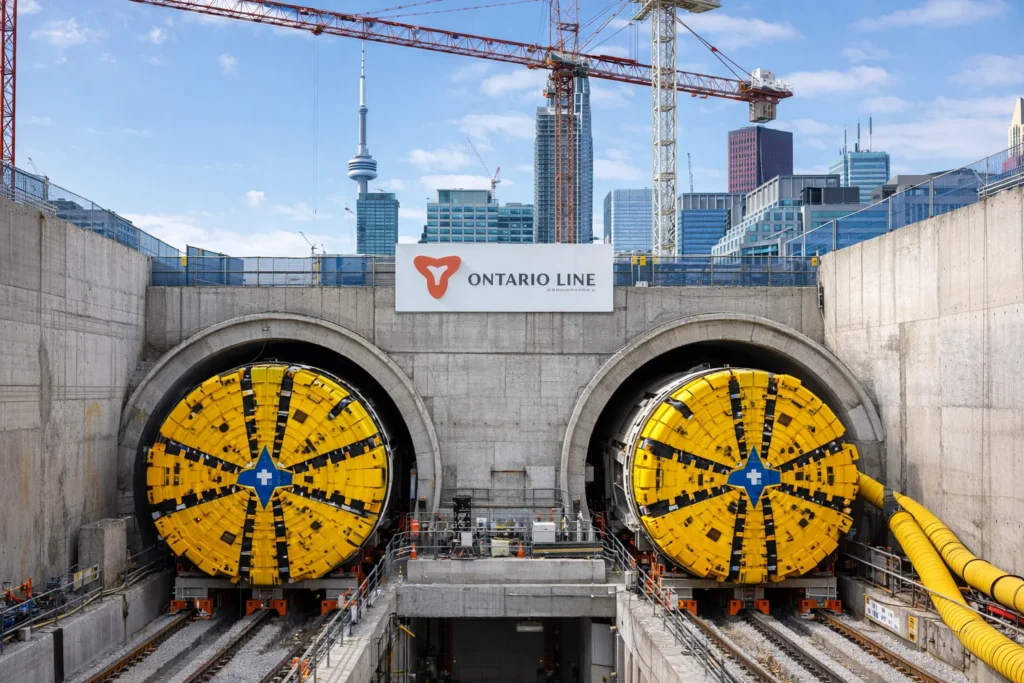
Toronto has entered a major new phase of urban transformation as tunnel work officially begins for the Ontario Line, a landmark subway project set to reshape how residents and visitors move across Canada’s largest city. The new rapid transit route is expected to improve connectivity between key districts, reduce travel times, and strengthen Toronto’s appeal as a global tourism and business destination.
The Ontario government has confirmed that tunneling is now underway for the 9.7-mile line, which will run from Exhibition Place through downtown Toronto to Line 5 Eglinton at Don Mills Road. Once completed, the route will feature 15 stations and more than 40 transit connections, creating one of the most significant public transport expansions in the city in decades.
For travelers, the Ontario Line represents more than a subway project. It is a major tourism infrastructure investment that could make Toronto easier to explore, more efficient to navigate, and better prepared for future growth.
A New Era of Mobility for Toronto
Toronto is one of North America’s most visited cities, attracting travelers for culture, entertainment, sports, conventions, shopping, and waterfront experiences. As visitor numbers grow, reliable public transport becomes increasingly important.
Large cities compete not only through attractions but also through ease of movement. Tourists want quick and simple access between airports, hotels, downtown districts, event venues, and neighborhoods.
The Ontario Line is designed to meet that need by creating a faster east-west and downtown travel option while easing pressure on existing transit corridors.
Once operational, the line is expected to cut travel times significantly for many passengers, making city exploration smoother for both residents and visitors.
Why the Ontario Line Matters for Tourism
Modern tourism depends heavily on connectivity. A destination may offer world-class attractions, but if movement is slow or complicated, visitor satisfaction can suffer.
The Ontario Line is expected to improve access to several key areas including:
- Exhibition Place
- Downtown Toronto
- Entertainment districts
- Waterfront areas
- Growing residential neighborhoods
- Major employment zones
- Existing subway and regional rail links
For travelers attending concerts, festivals, trade shows, sports events, or conventions, faster transit can make a major difference in the overall experience.
It can also encourage visitors to explore more neighborhoods beyond the traditional downtown core.
Historic Tunneling Milestone
The start of tunneling is being described as a historic moment for Toronto transit development. It has been more than six decades since a subway was tunneled through Toronto’s downtown core.
Two tunnel boring machines are now excavating twin tunnels from Exhibition Station toward Don Yard, reaching deep below the surface. Large-scale tunneling projects of this kind require advanced engineering, careful planning, and long-term coordination across utilities, streets, and existing infrastructure.
For the city, the milestone symbolizes progress toward a more modern transport network capable of supporting future population and visitor growth.
Exhibition Place Becomes a Major Gateway
One of the most important stations on the route will be Exhibition Station. This area is already a major destination for events, exhibitions, sports, and waterfront activities.
The station will connect riders to GO Transit and provide stronger subway access to Liberty Village, one of Toronto’s fastest-growing neighborhoods known for residential development, dining, creative businesses, and urban lifestyle appeal.
For tourists, this means easier travel to events, nearby hotels, restaurants, and attractions in the western part of the city.
As urban tourism evolves, multi-modal hubs like Exhibition become increasingly valuable because they combine regional and local transport in one place.
Better Access to Downtown Attractions
Toronto’s downtown core is home to some of the city’s most visited attractions, including entertainment venues, museums, shopping streets, business towers, and major event spaces.
Improved rapid transit through the center of the city can reduce congestion and make travel between attractions more efficient. Visitors with limited time often prioritize destinations where they can see more in less time.
Faster public transport can therefore increase tourism spending by enabling travelers to add extra activities, meals, shopping stops, or neighborhood visits to their itinerary.
Supporting Sustainable Urban Tourism
The Ontario Line also supports broader sustainability goals. Public transport plays a key role in reducing road congestion, lowering emissions, and creating more livable cities.
Many modern travelers actively seek destinations with efficient and environmentally responsible transport systems. Strong subway networks make it easier for visitors to rely less on taxis or private vehicles.
Potential benefits include:
- Reduced traffic pressure in busy districts
- Lower transport emissions
- More predictable travel times
- Better access for car-free visitors
- Stronger city reputation for smart mobility
For Toronto, these benefits extend beyond tourism into long-term urban quality of life.
Economic Impact Beyond Transport
Large transit projects often generate wide economic benefits during both construction and operation. Jobs are created in engineering, construction, technology, maintenance, and services.
Once completed, improved mobility can increase commercial activity around stations, encourage hotel investment, and boost retail and restaurant demand in newly connected areas.
Neighborhoods near rapid transit frequently become more attractive for visitors, residents, and businesses alike.
For a global city like Toronto, transport expansion is closely linked to economic competitiveness.
Toronto’s Growing Global Appeal
Toronto continues to strengthen its reputation as an international city known for diversity, safety, culture, and innovation. Major events, sports franchises, culinary experiences, and year-round attractions help drive strong visitor demand.
Infrastructure projects like the Ontario Line help ensure that tourism growth remains manageable and enjoyable. Cities that invest ahead of demand are often better positioned to maintain visitor satisfaction over time.
As international travel continues to rebound, seamless movement within cities will remain a decisive factor in destination choice.
Looking Ahead
Construction is advancing across multiple stations, and tunneling now adds fresh momentum to one of Canada’s most ambitious transit projects. While completion will take time, the start of underground work marks a visible sign that Toronto’s next-generation transport future is taking shape.
For visitors, the Ontario Line promises faster journeys, easier connections, and better access to the city’s neighborhoods and attractions. For Toronto, it represents a bold investment in tourism, sustainability, and urban growth.
As tunnel boring machines move beneath the city, they are not just carving new subway routes. They are helping build the future of travel in Toronto.
For more travel news like this, keep reading Global Travel Wire